
What’s the ideal follow up to a lazy afternoon? A lazy morning, of course.
It helps that there’s so much to see here around Dark Skye Cottage:


We also have a big afternoon – and evening – planned, so we need to conserve our strength.
Both breakfast and lunch at home today – youghurt, berries, and granola for breakfast, followed by toasted ham and cheese sandwiches with spicy mayo for lunch.
We then headed down to Dunvegan Castle for what promised to be a very eventful day:
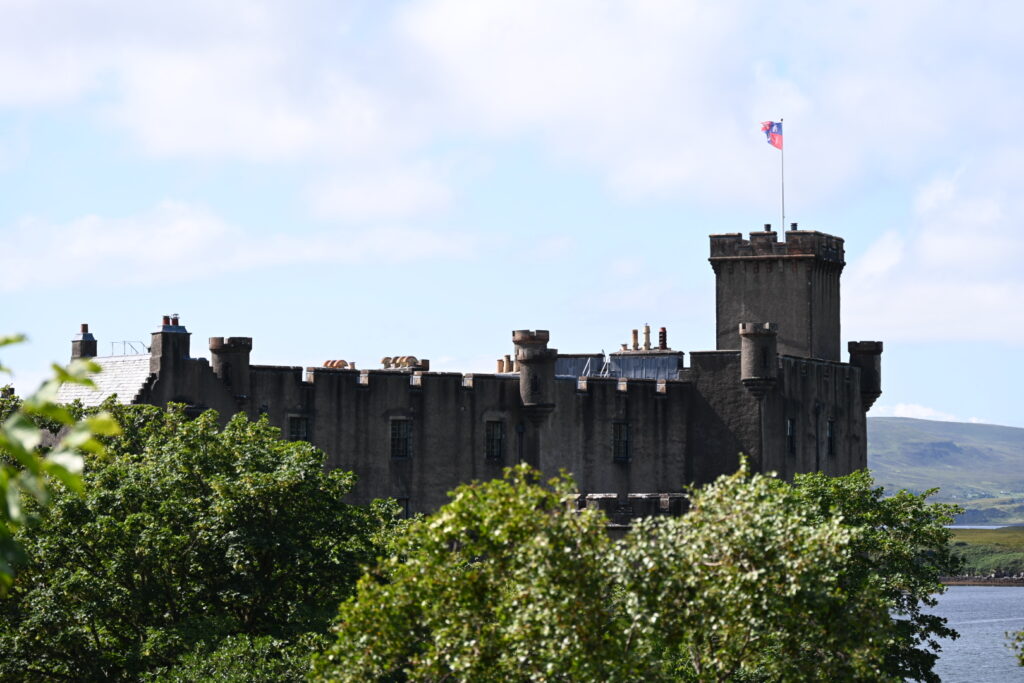
A funny story aboutt Dunvegan Castle – I received a call from them whilst we were planning an activity, and this is how my iPhone transcribed the caller:

Methinks Apple needs to work on their Scottish to English translation
And the activity in question? Well, we’ve booked in to do a spot of fishing early this evening.
Or have we? Fishing at Dunvegan is a rare occurence, and might be cancelled for any reason – not the least of which is because of rain. Though the forecast is looking good, so fingers are firmly crossed that we can make it out.
Fishing is only offered from 5 to 7 pm, however, which means that we need to plan around a late dinner. Which means, of course, that we require cakes and other treats from the MacLeod Tables Cafe:

Apple cake

Citrus cake

Cinnamon bun

Sausage roll
The food is expensive for what it is, but we also want the ability to take our drinks – milkshakes, cappuccino and tea – into the castle itself, which meant ordering on site.
At least we were able to find parking. We grabbed the last space in the main lot available at 2:30 pm on a Sunday. You’d think perhaps the weekenders would be heading back at this point, but everyone is out in full force. (There did seem to be a secondary overflow lot but it was chock-a-block full of buses and caravans, so hard to tell if there was much space left.)
Off to Dunvegan Castle:
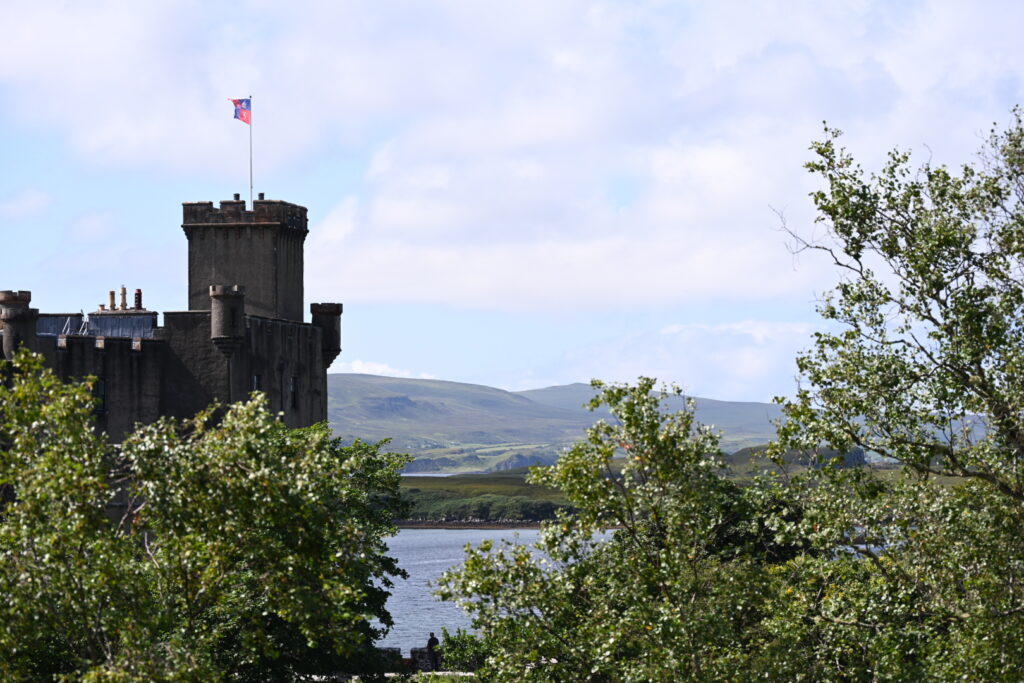
After paying our 45 GBP family admission price, we then head down to the seal tour desk to see if we’ll be able to pay for our fishing tour by card rather than cash. The tour is not cheap – 400 GBP for a private tour for the four of us – and so card would be much preferred.
Even the walk to the seal tour desk is scenic:

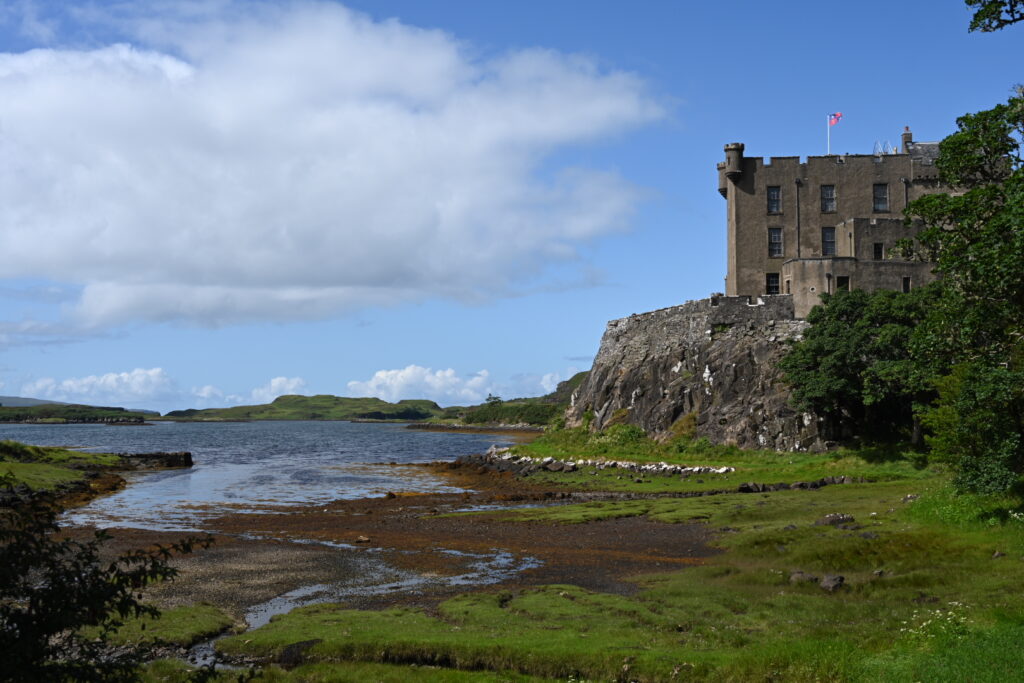

Initially the harried-looking gentleman is concerned that we might be looking to book in for a seal tour – these shorter trips run continuously, and can take upward of 130 people in a day and it’s looking like they are going to be close to that. He’s relieved to hear it’s for a fishing trip, and confirms that we’ll be able to pay by card. So that’s sorted.
Back up to the castle to explore:


From the Dunvegan Castle website:
“Dunvegan Castle is one the greatest Hebridean castles and the only Highland fortress to have been continuously occupied by the same family for 800 years.
Architecturally it is a building of high importance, containing the work of at least ten building periods ranging from the 1200s to the 1850s. Dunvegan Castle today has a unified design with Victorian dummy pepper-pots and defensive battlements running the whole length of the roof line.
This romantic restoration was carried out by the 25th Chief between 1840 and 1850 to the plans of Robert Brown of Edinburgh at a total cost of £8,000. Underneath this outer skin however, there remains a series of five separate buildings each with its own unique character and story to tell.”
We enter the castle, and are required to move our backpacks so that they’re on the front of our bodies. This protects against theft, but also better protects the artifacts in the castle.
There’s a challenge for the kids, too – there are keys to be found in the castle, so they are encouraged to keep track of how many they find.
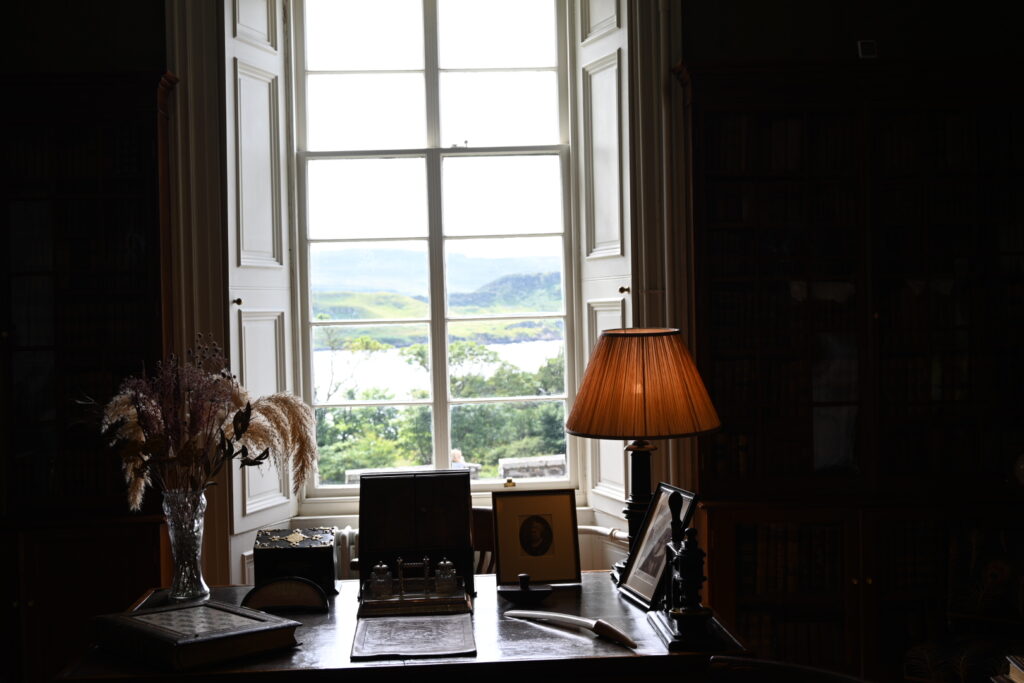
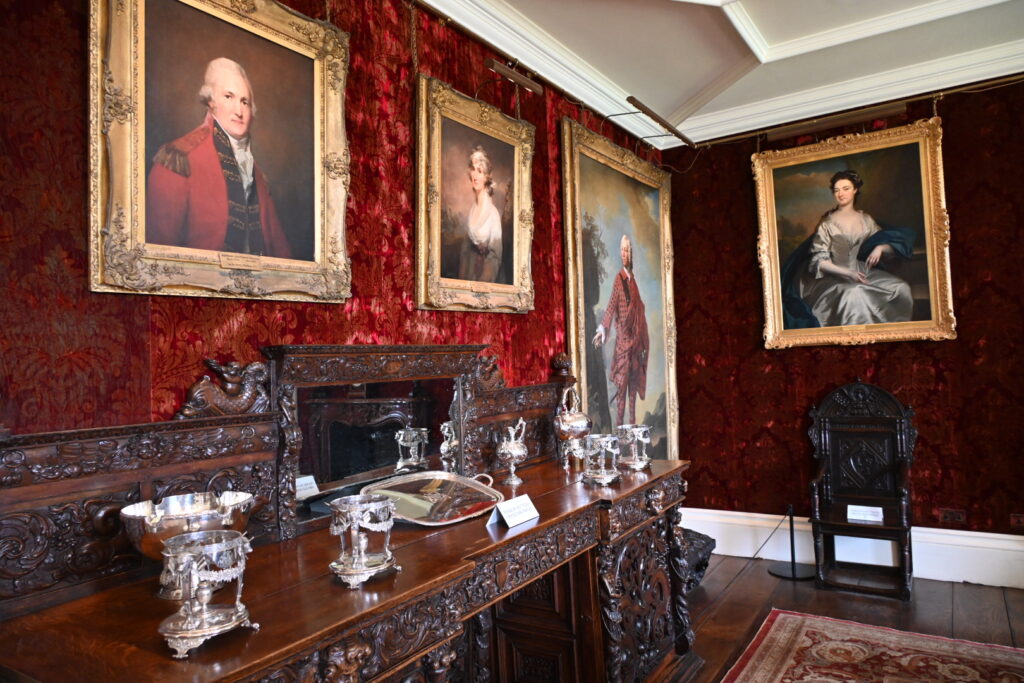
It’s impossible to distill the history of a castle like this into a brief visit, but I’m particularly intrigued by the legend of the ‘fairy tower’:
“On a night of celebrations at Dunegan, a nurse put the Chief’s son in his cradle in the Fairy Tower and joined the party in the Keep. The baby became restless and kicked off his blanket, whereupon Fairies came and comforted him, wrapping him in a silken shawl. When the nurse came for the child, the room filled with the sound of unseen voices singing the Fairy Lullaby of Dunvegan.”
Source: Dunvegan Castle plaque
And some of you might recognize this fellow:
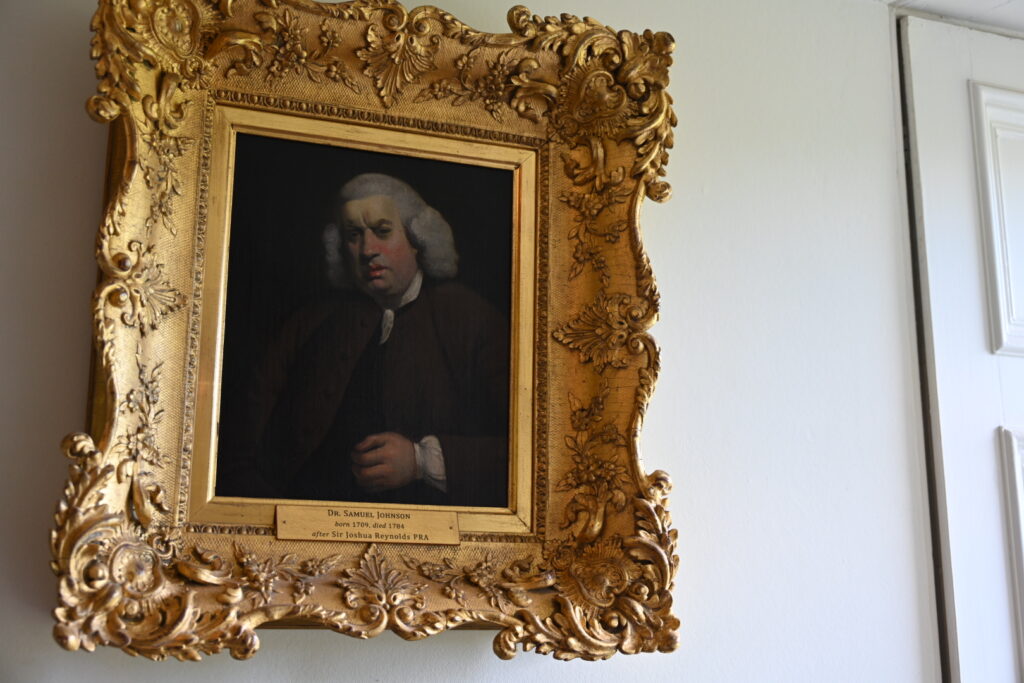
Well before he became an internet meme, Dr. Samuel Johnson visited Dunvegan Castle
I was also intrigued to learn about the history of the South Tower:
“The wing of the castle was built 1684-90 to replace an earlier family chapel. In 1938, whilst preparing rooms for Dame Flora (28th Chief), a coal fell from the fireplace and started a fire. The fire quickly engulfed the South Wing.
The main rooms of the castle were emptied of their contents in case the fire spread. Thanks to a change in wind direction and a human chain of villagers using buckets of water from the river the flames were extinguished. The South Wing was entirely lost, but thankfully the rest of the castle survived.
Despite the shortage of materials and manpower in the early years of the Second World War, Dame Flora restored the South Wing in 1941, modelling the interior on the Station Hotel in Inverness. The South Wing is used now mostly for storage, with some rooms used as part of the private apartment of the current chief, Hugh, and his family.”
Source: Dunvegan Castle plaque
The contrast is striking between the living areas:

And the dungeon:

I’m also fascinated to learn about the Claymore of Dunvegan:

“This sword, made by the MacLeods of Suardal who were the blacksmiths to the clan, was a weapon of great power. A Claymore (claidheamh mor, or “great sword” in Gaelic) such as this would have cost a lot and was typically used by Clan Chiefs. Its real power though, is its length and weight. The blade is three feet (approx. 90 cm) in length and together with its weight would have been lethal in a double-handed swing.
The sword is difficult to date. Its features suggest late 15th or early 16th century. A depiction of it on the tombstone of Alasdair Crotach, the 8th Clan Chief, tells us that it cannot be dated after 1528. What makes this sword even more fascinating is that it is made with Scottish iron, instead of German steel, which was commonly used.”
Source: Dunvegan Castle plaque
You can tour the outside parapets:

And get a closer view of the castle flag:

This is distinct from the fairy flag, which is one of the most treasured relics of house MacLeod:

This is the famed silken shawl from the Fairy Tower legend – but there are other versions of the legend, including Crusader and Fairy Bridge versions. It’s said when the flag is unfurled in battle, the clan can snatch victory from the jaws of defeat
Back inside, there are some mannequins in the castle to add to the realism:

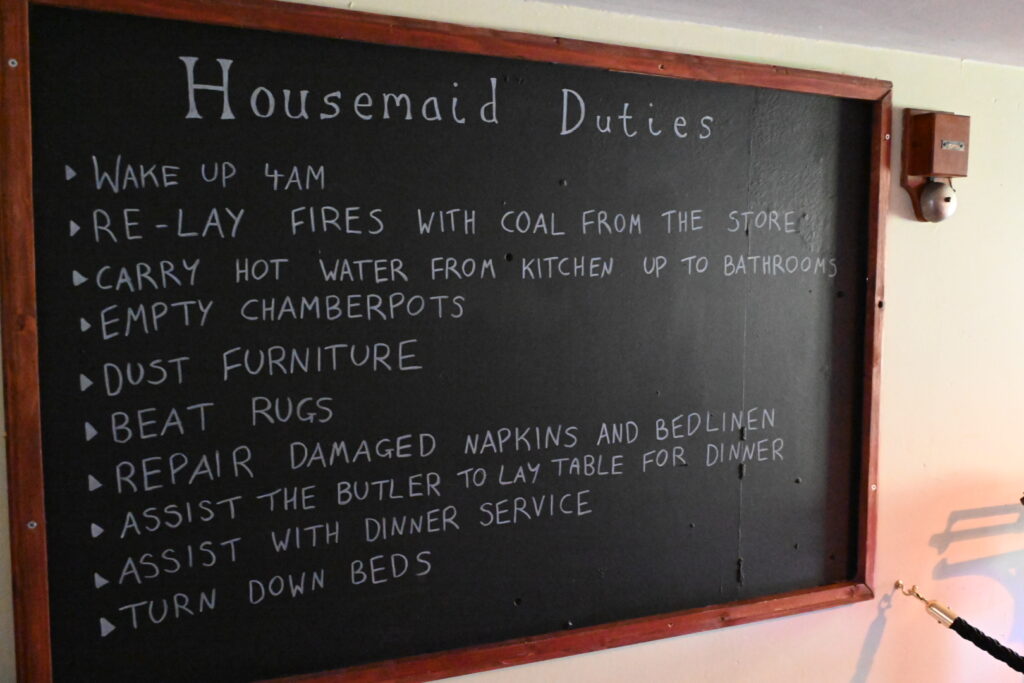
And some other little bits and pieces about day-to-day life:
From here, we go out to explore the woodland garden:
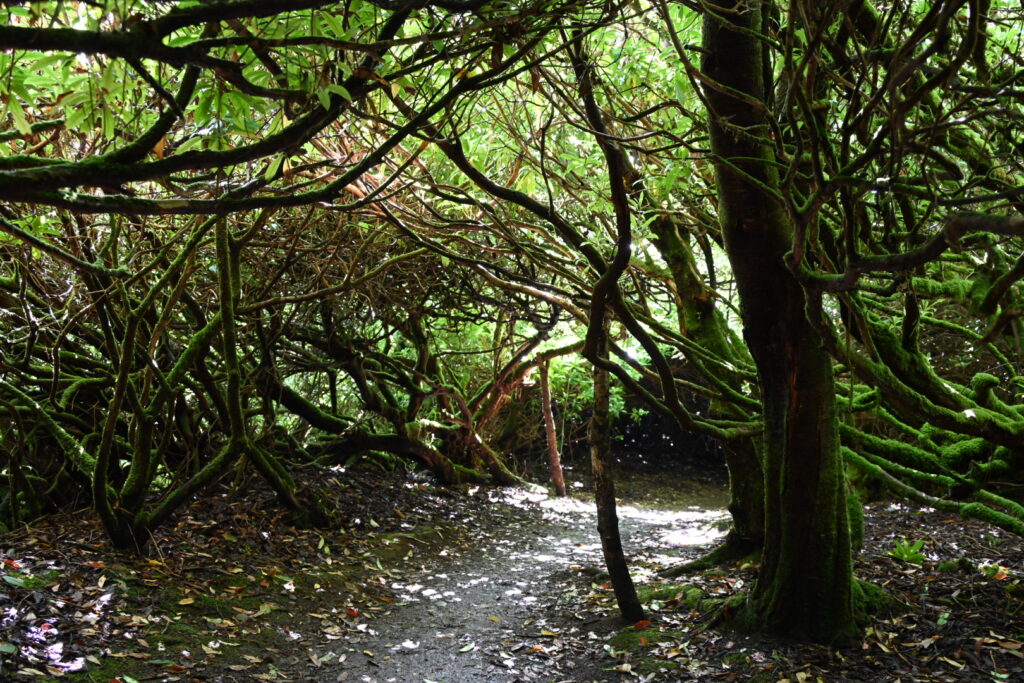
Another lovely gnarled old forest – my favourite:

We seem to lose the path entirely:

Ah, well – we make it out in the end.
From here we visit the water garden:
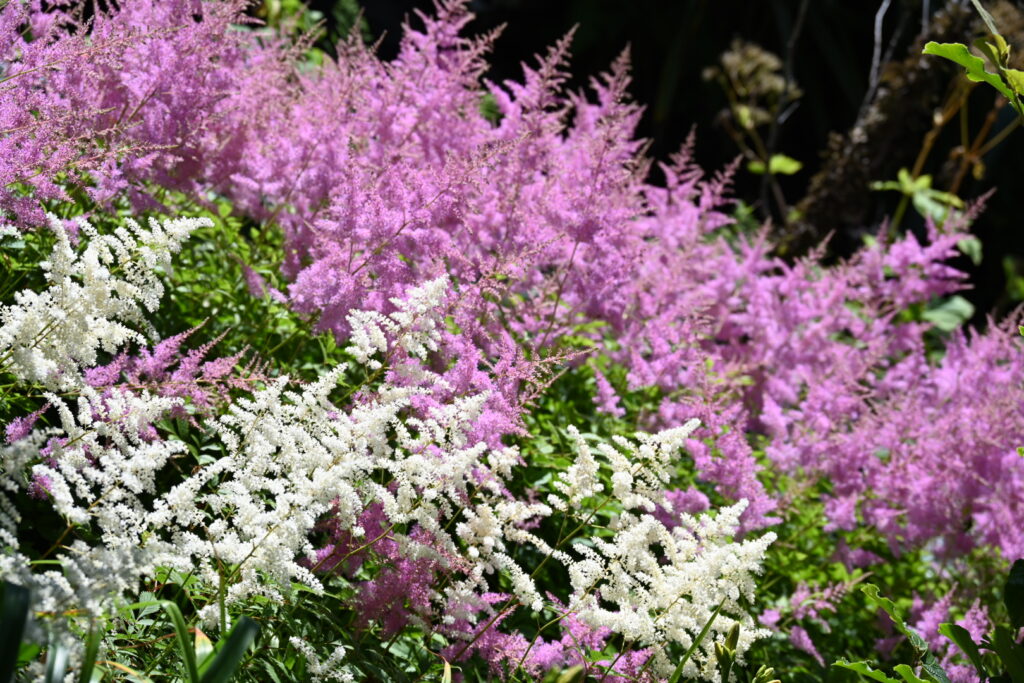

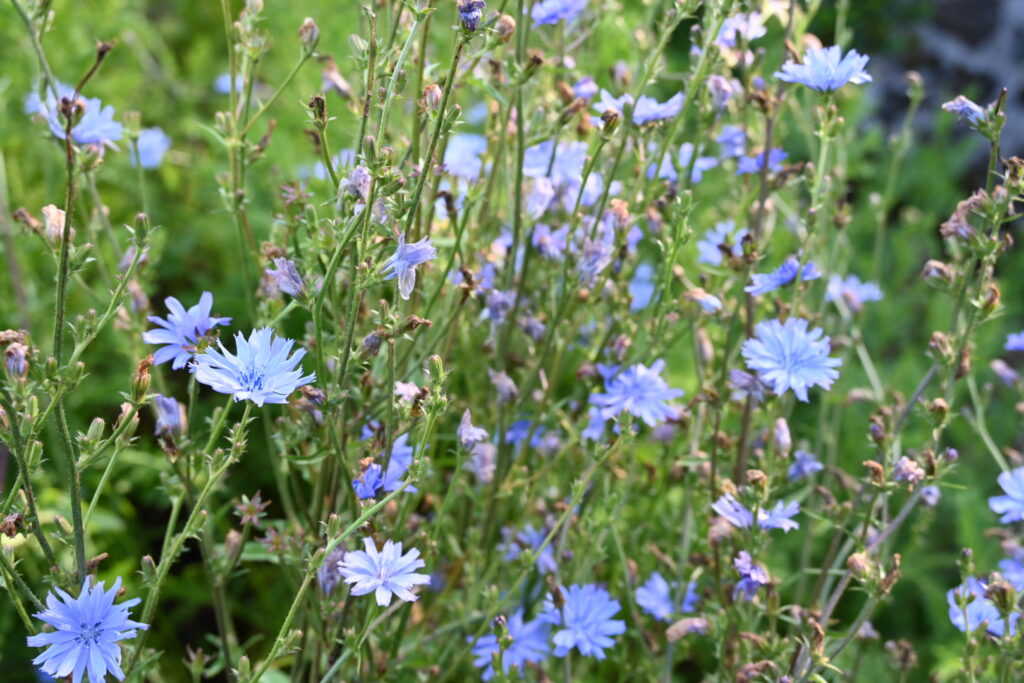
The round garden:

The walled garden:
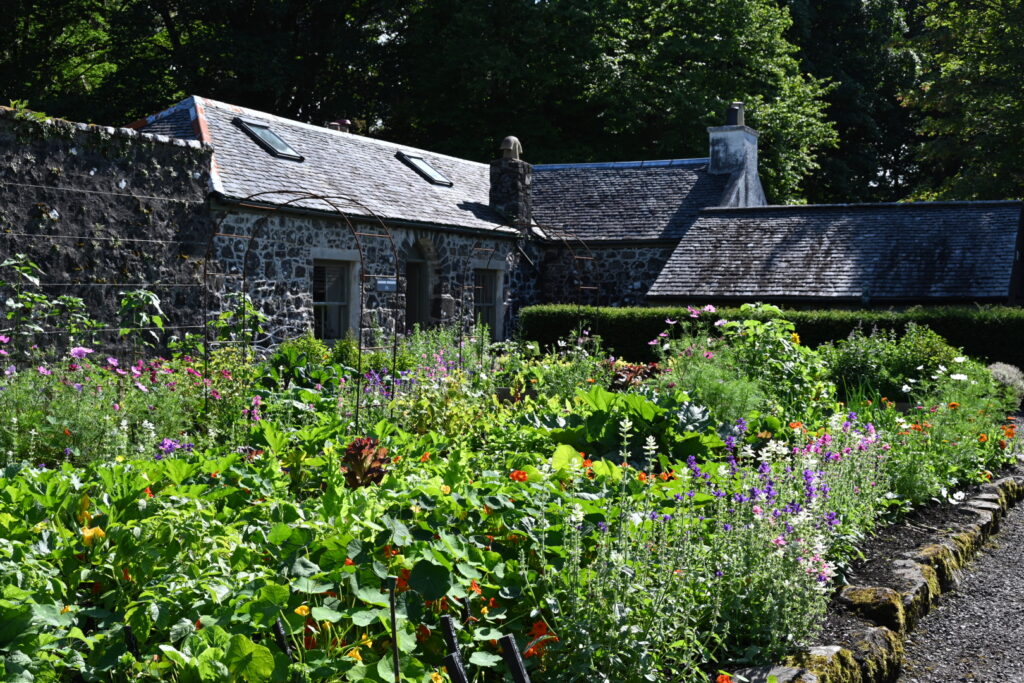
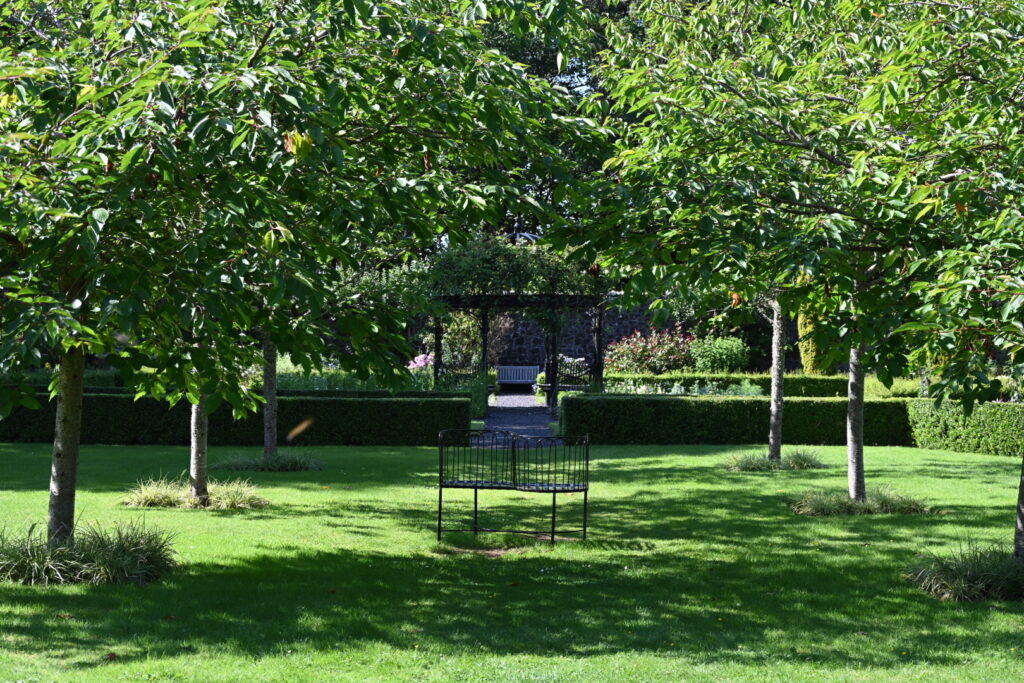
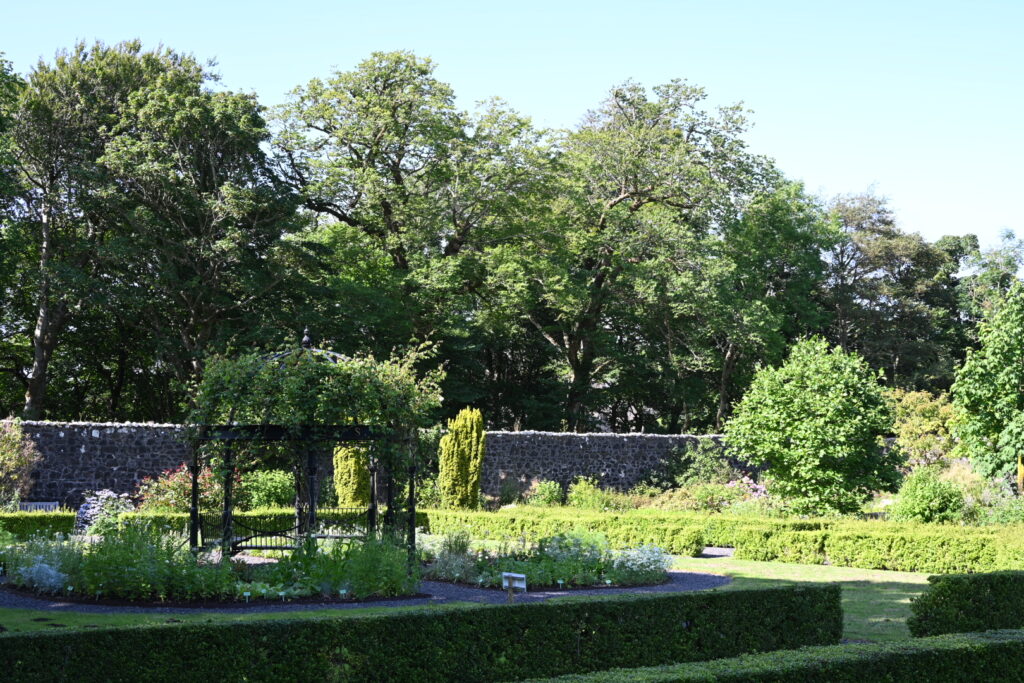
And the wild wood trail:

We scarcely have time to make it through the grounds and still make it to our fishing trip on schedule.
But there’s unfortunate news – the swell has picked up considerably over the afternoon, and the fishing is unlikely to be very good. Jack, the tour operator, asks if we’re sure we still want to go fishing?
We debate it for a time – 400 GBP is a considerable amount of money, after all – but eventually decide that we will go ahead regardless. We’ve just finished five nights aboard a sailboat, after all, so we should have our sea legs at this point. (I say as we all stuff seasickness medication into our mouths before boarding the fishing boat.)
With that, we don our life jackets and head out to sea:
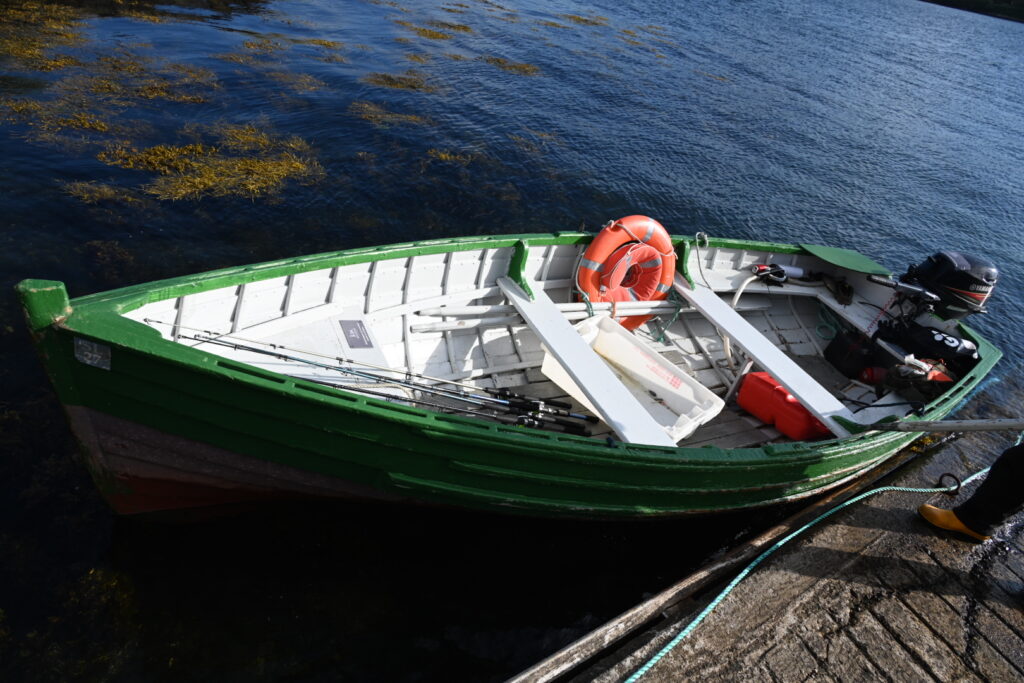
Conditions are mildly spicy, but it’s otherwise a lovely day to be out on the water – the sun is shining, and there’s no rain in the forecast:

We try to head out into the middle of the loch but – as expected – the swell is too high for fishing. However, Jack finds us a quiet, sheltered space behind an island.
We spot some shags here, which seems promising:

And a seal – a grey seal this time:
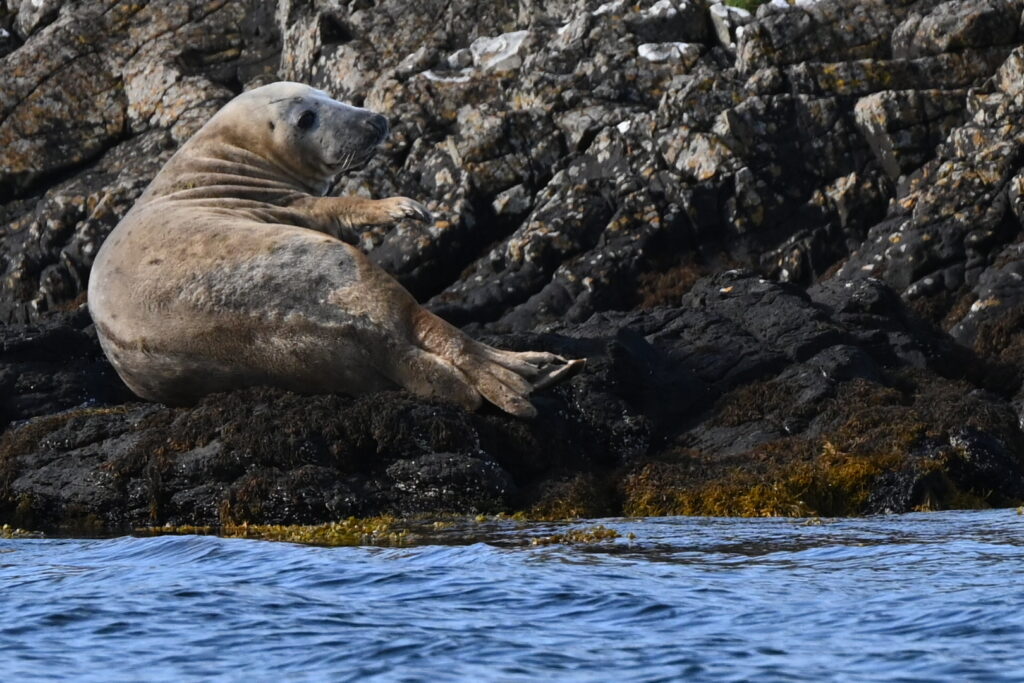
The seal isn’t particularly keen on having people around, however:


Jack briefly wonders if this might be ‘Vlad the Impaler’ – a local grey seal that’s taken to killing the common seals’ pups – but doesn’t think so. Vlad is apparently much much larger.
We try fishing for a time. Each rod has a heavy sinker and multiple hooks. We’re advised to let the sinkers out until they touch bottom then reel it in a bit, then make a jigging motion with the rod. We switch lures midway through, but even the ones with the white feathers don’t seem to work. (The recent presence of the seal wouldn’t help either.)
Meanwhile, I focus on the local wildlife – including the greater black-backed gulls:

Despite their resemblance to the common gulls, these are apparently quite rare.
It looks like this one is bringing back nesting material:

We ask Jack whether we might do a brief wildlife tour instead, and he happily agrees. Off we go around the loch:
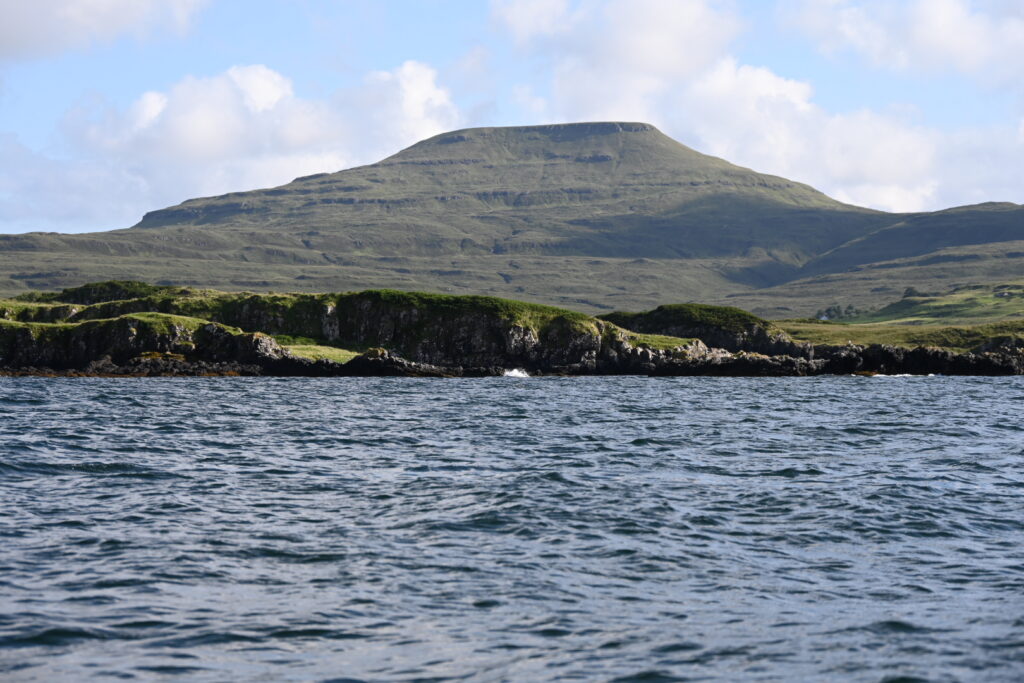

We spot some more common seals:


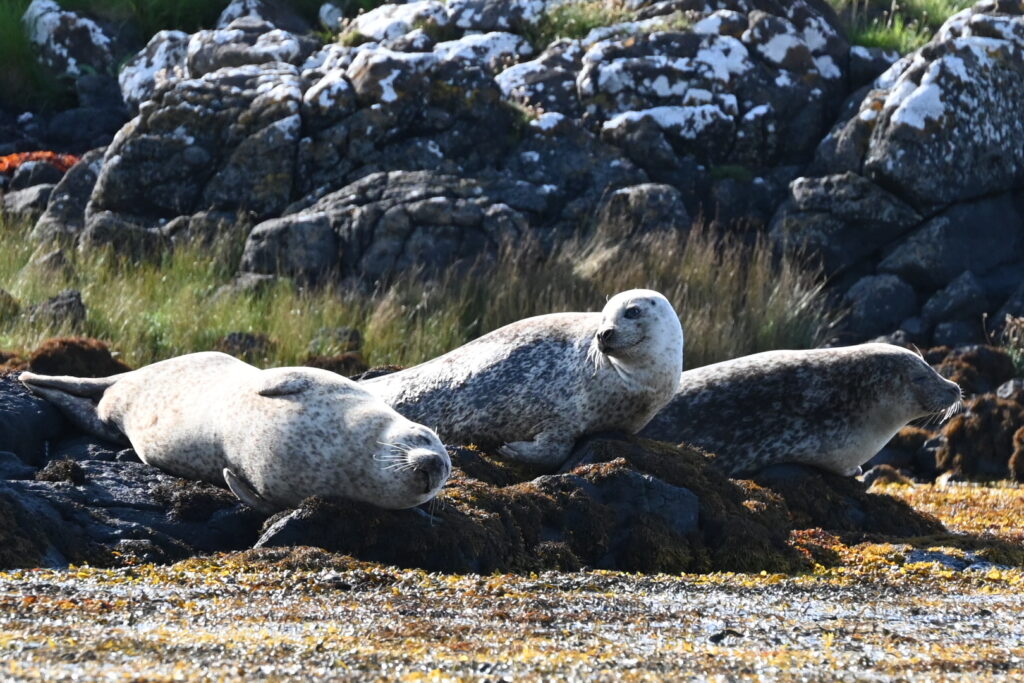
I think this might be my spirit animal

We also spot some curlews:

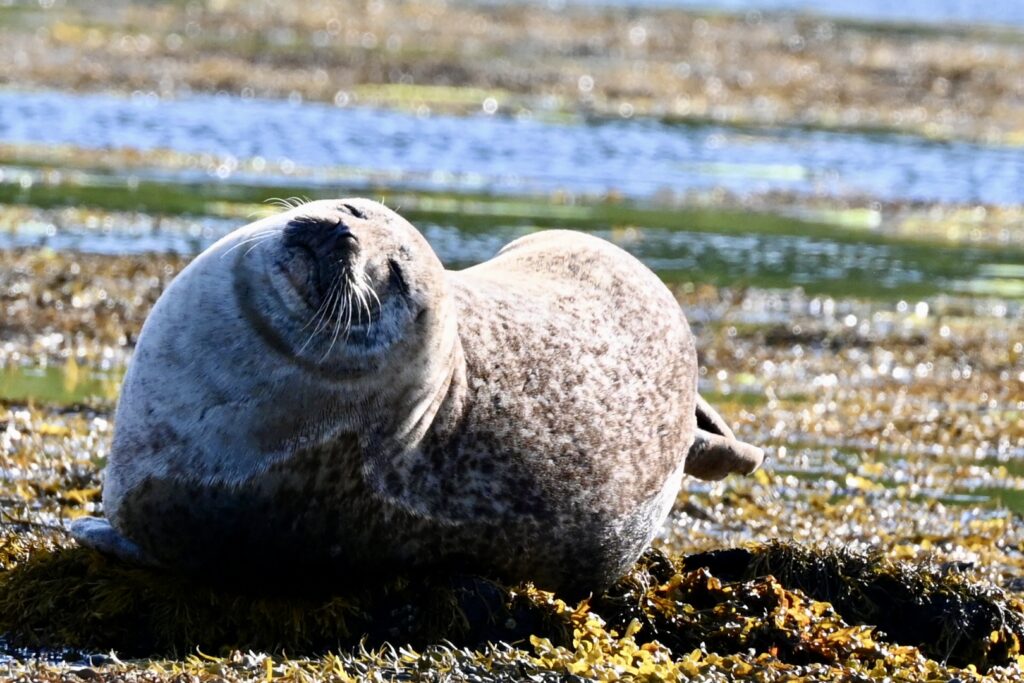
And more seals in the kelp:

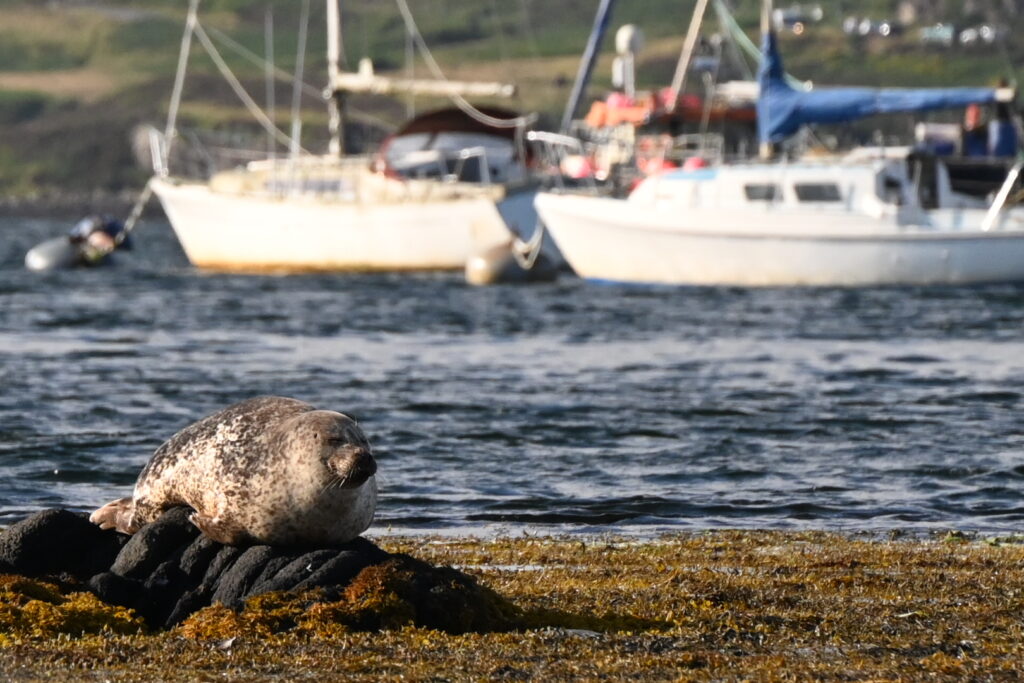
We then head back to the village, where the larger population of seals with pups has recently been spotted:
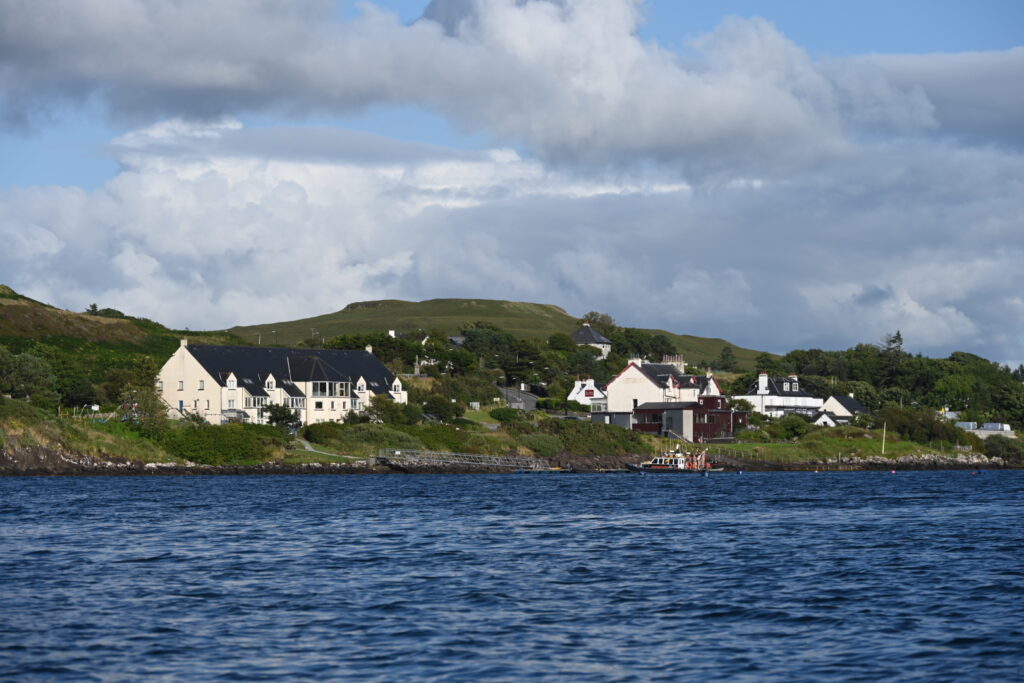
And we find them, right where they left them:

Along with some rare northern lapwings:

Despite the lack of fish, it’s a fabulous outing – we suggest to Jack that Dunvegan Castle list a separate wildlife tour as we would have happily booked that instead. Jack thinks that they have wildlife tours listed on the website but we clarify that they are listed as ‘loch tours’ instead. The wildlife part is vital!
Also, this was also a difficult tour to book. There was no online booking form, or even an e-mail address to contact. I had to call Dunvegan Castle – and then get called back – and then add someone on WhatsApp before I could even attempt to book. This is fine if they don’t particularly want to do many private trips – but if they do, they might consider making the process easier.
But we’re picking nits, here – overall it was a fabulous excursion, and well worth the cost.
Eventually it’s time to head back to the castle:

The castle is closed at this stage, so we get to (briefly) explore the grounds all on our own before heading out to the car park.
We then head back to Dark Skye Cottage for a late dinner of pasta bolognese and salad – and a truly spectacular sunset:
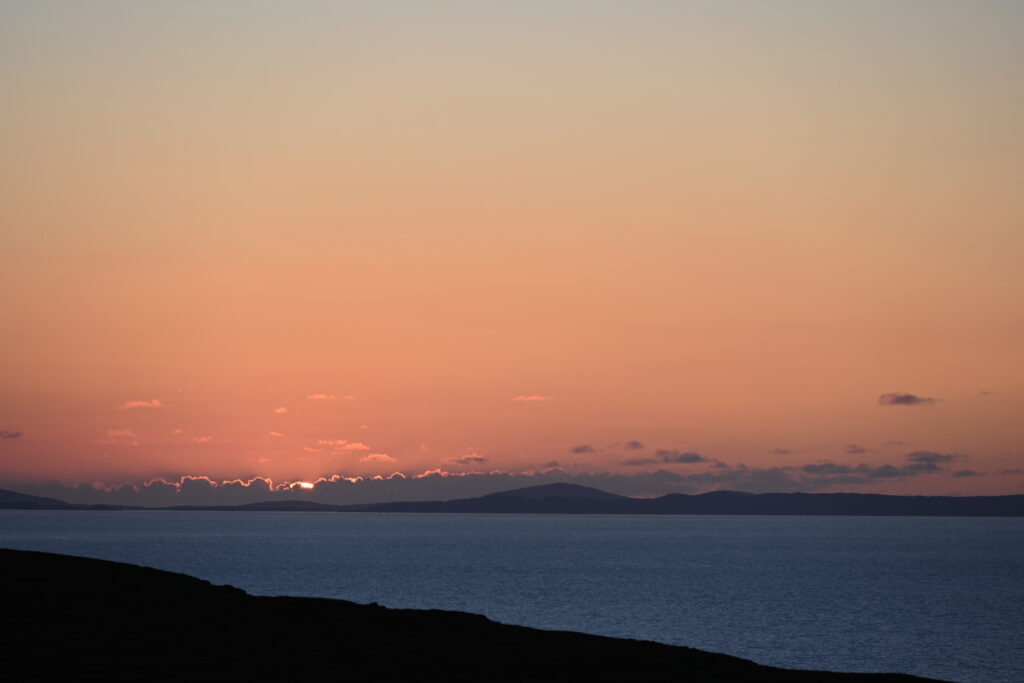

It’s after 11 pm and the sun still hasn’t fully set yet – but we need to get to bed. We’ll need to get up at 5:45 am tomorrow if we want to hike the Old Man of Storr.