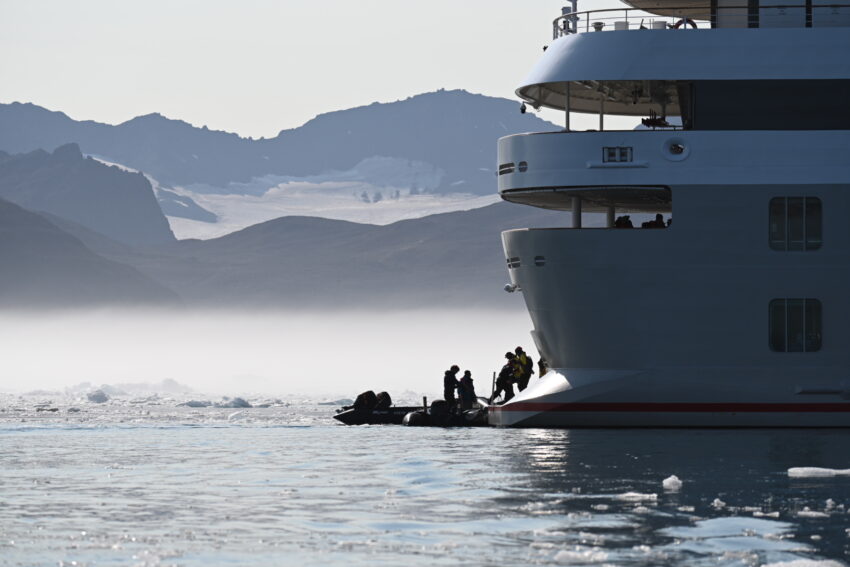
Today wasn’t supposed to happen. We were meant to be enjoying a sea day, and instead we are loitering in Greenland for one extra day before we situate ourselves for the eclipse.
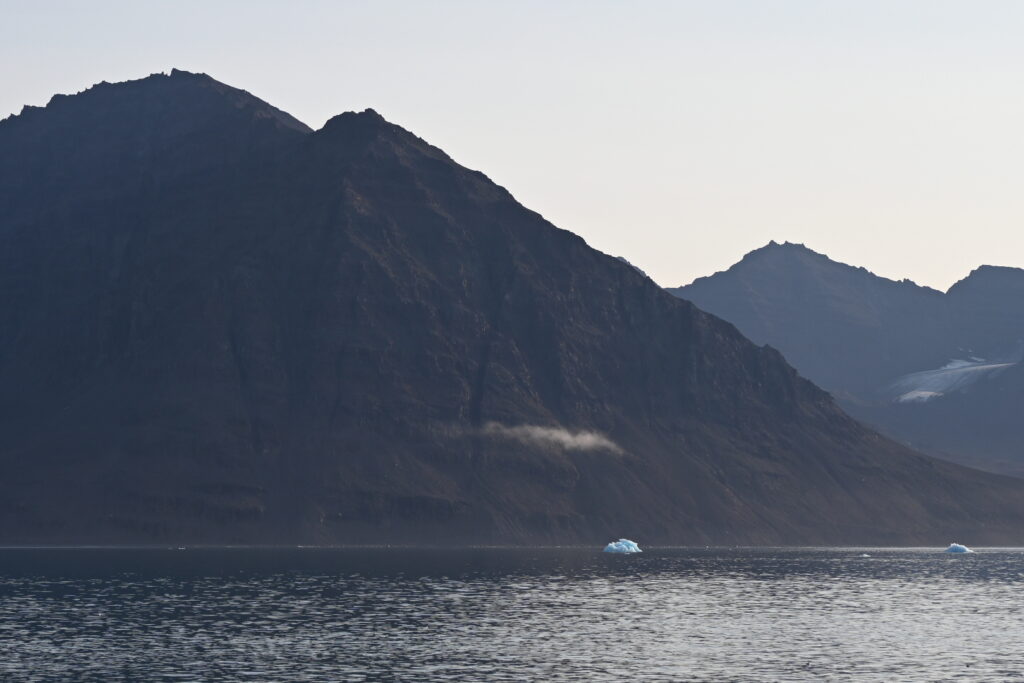
Though, I will be frank – I am not expecting to see the eclipse. We are in Northern Europe, which – despite what we’ve experienced in the past 10 days – is generally not known for its clear, sunny skies. But we booked this cruise before it was formally marketed as an eclipse cruise, so we won’t complain if we end up with a bit of cloud.
(Besides, where else were we going to go? Go to the Med? In summer? Pshaw.)
It helps that we happened to be living in the path of totality for the 2024 eclipse so although it was partly cloudy we got to experience almost all the magic – birds stop twittering, dogs start barking, and there was even a ‘sonic boom.’
Our morning unfolds as per usual, and then it’s time to board our zodiac cruise. There’s some room in the Zodiac Zen (non-talking zodiac) group, so we hop aboard.
Expedition Leader David takes us out:
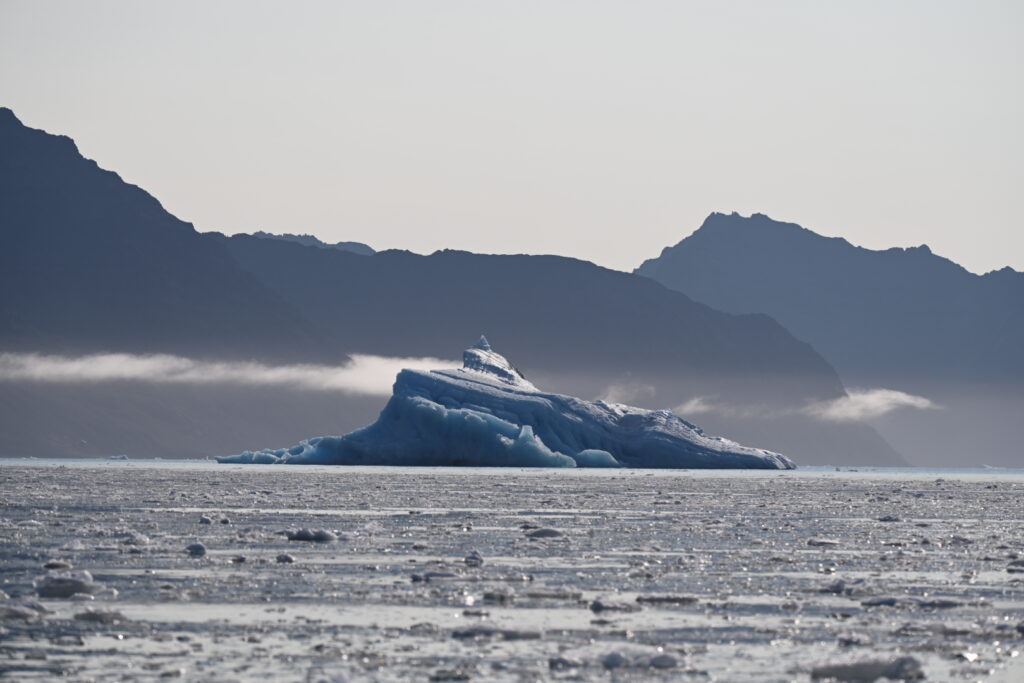
Wisps of cloud hover overtop brilliant, deep blue iceberg – the blue colour can be found in deeper, older glaciers, and are the result of intense pressure
We go to approach the glacier from one angle, but there’s simply too much brash ice to make any meaningful progress:
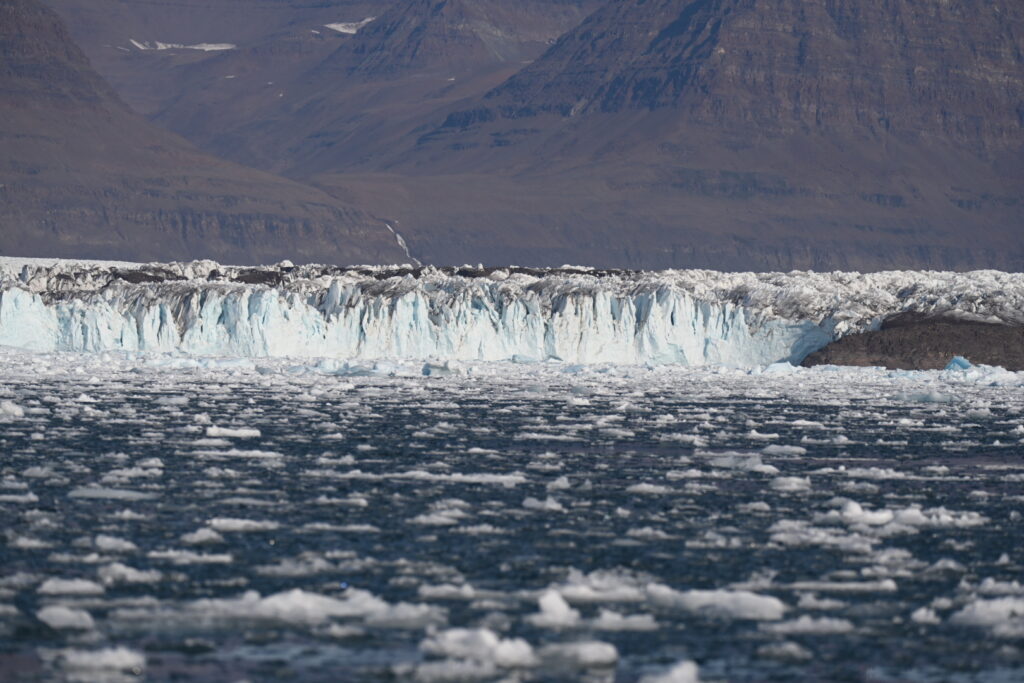
It’s fascinating to see David working the problem. He’s already looking for potential landing locations for this afternoon. There’s a riverbed that looks promising, though we’ll have to maintain good sight lines of potential polar bear approaches.
It’s a remarkable feeling, just being out on the ice – listening to the air bubbles rising and popping through the brash.
I’ve only brought my telephoto, but it gives me the chance to get up-close-and-personal with some of the icebergs:
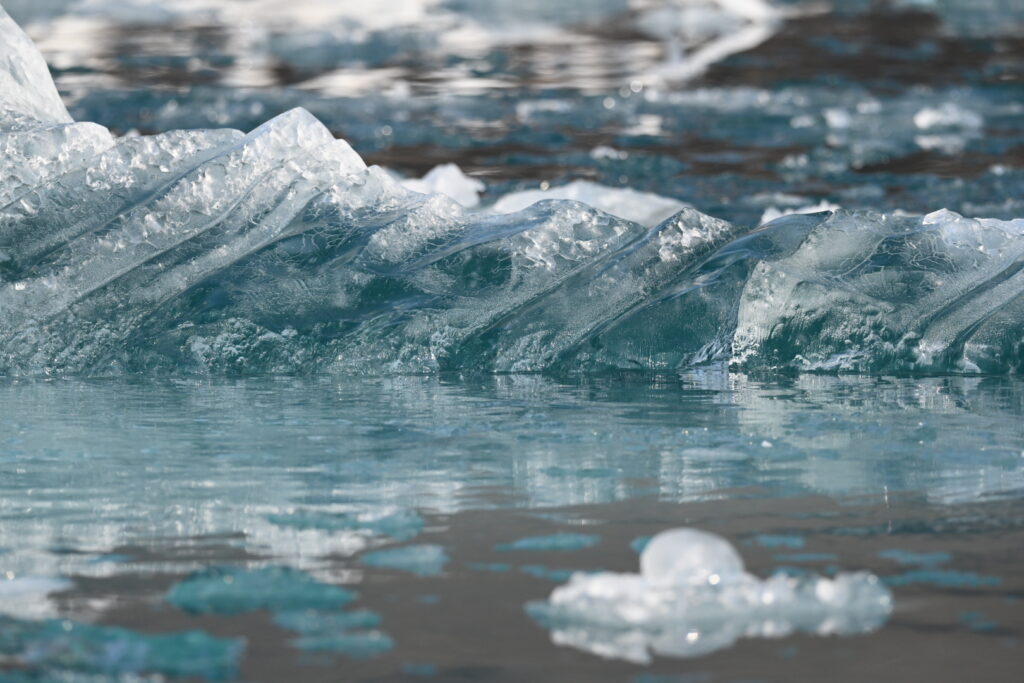
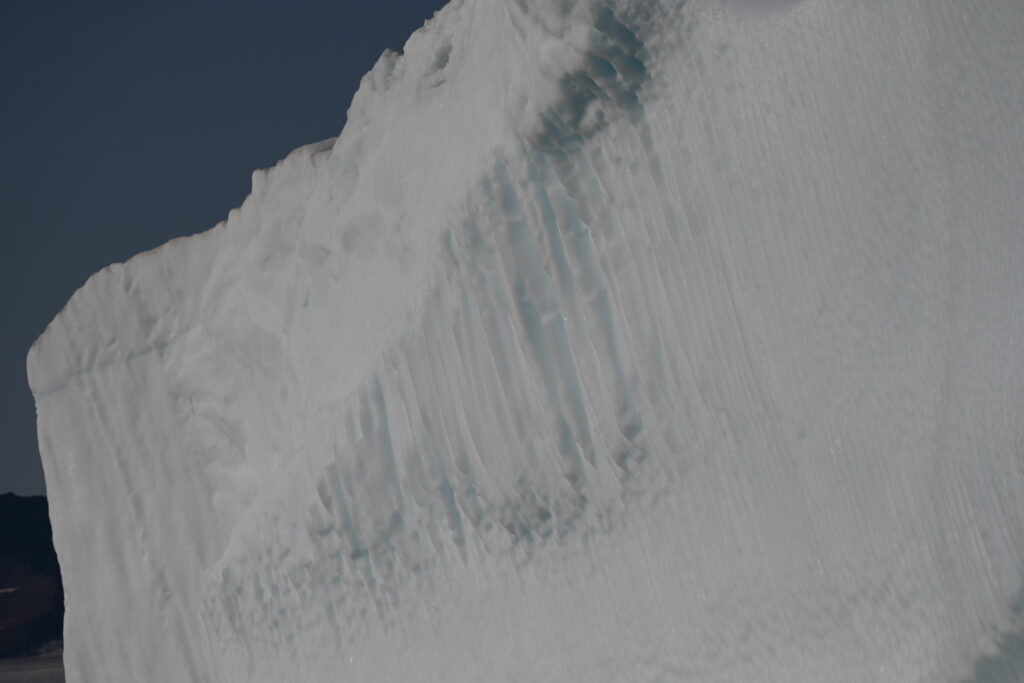
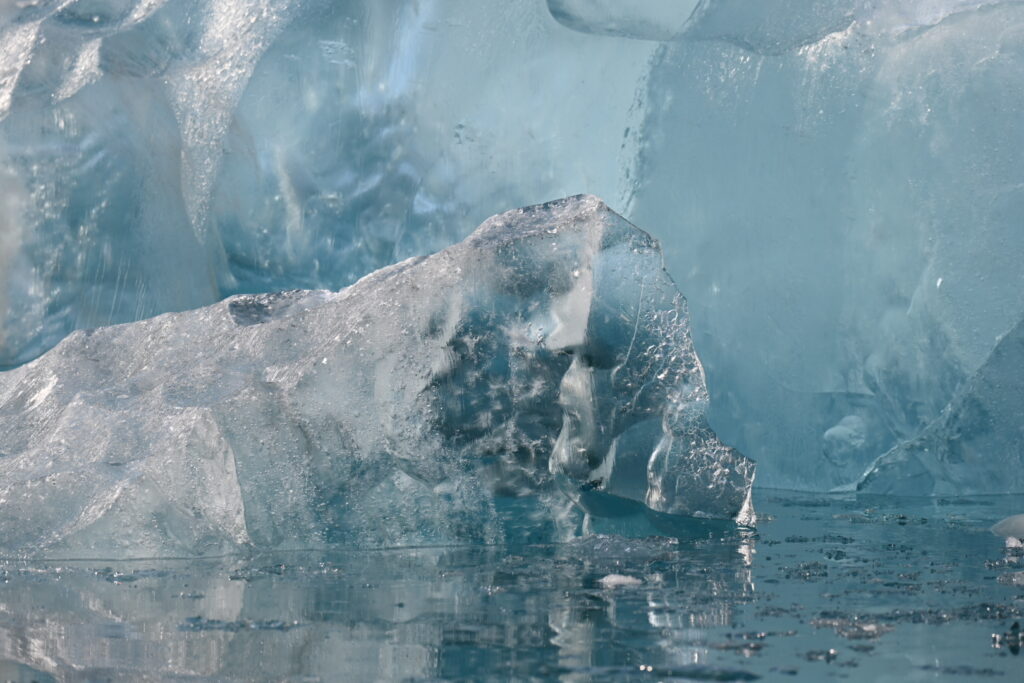
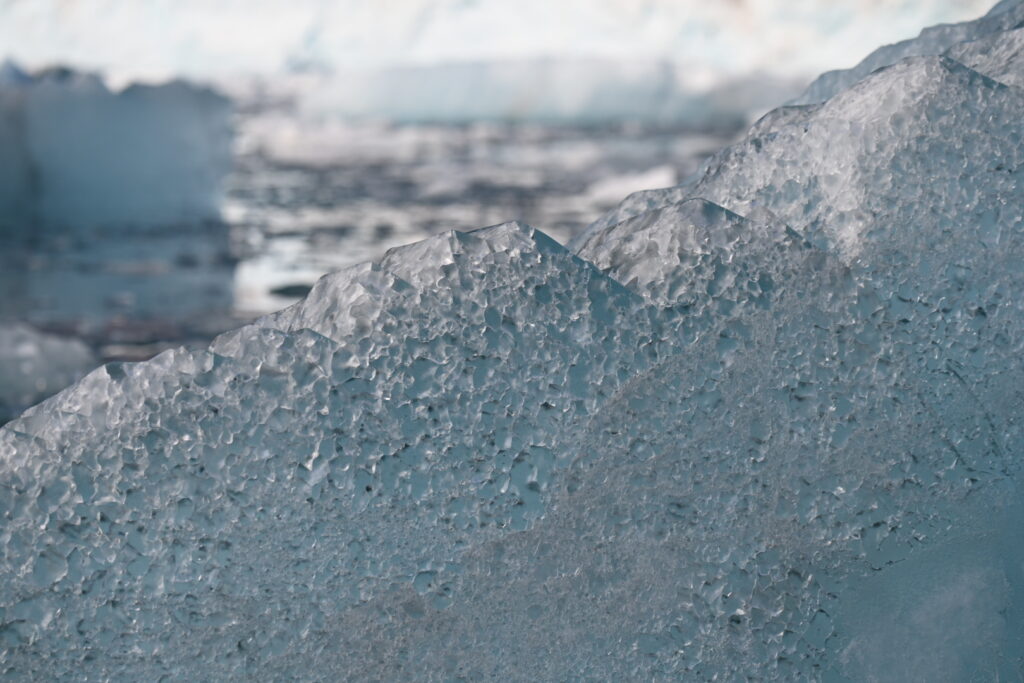
David points out that, the deeper the cut line at water level, the longer the iceberg has been in its current position and the more likely it is to be due to flip over.
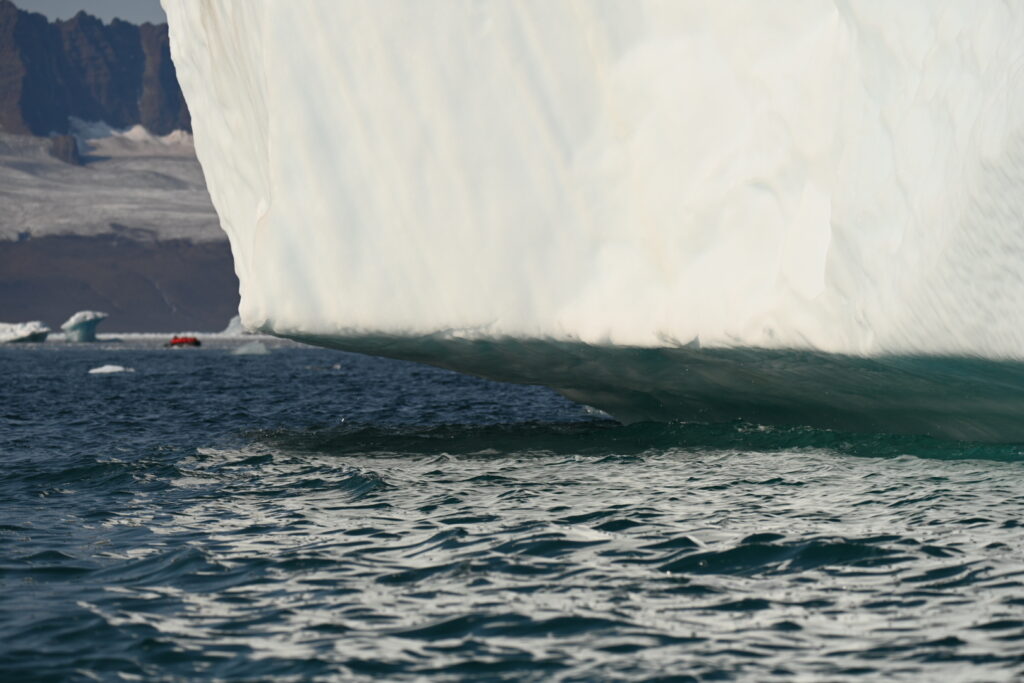
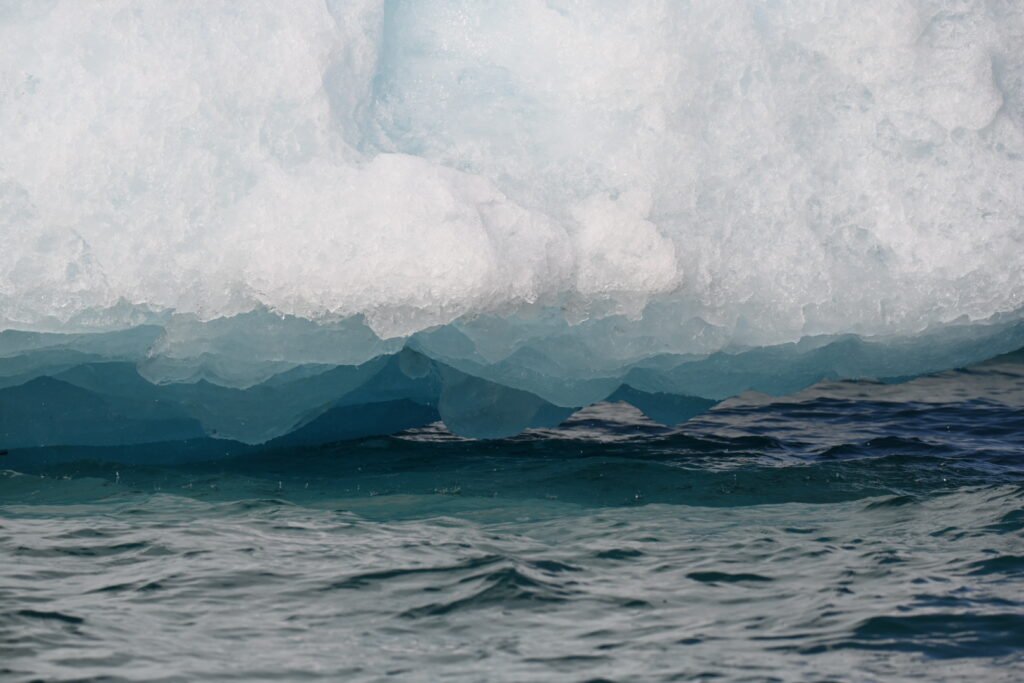
Some seem quite likely indeed
Eventually, we make our way deeper into the brash aided in part by David’s serpentine maneuvre, which better pushes the ice out of the way – or so he claims. It definitely makes for an exciting zodiac ride.
We cruise along the glacier.
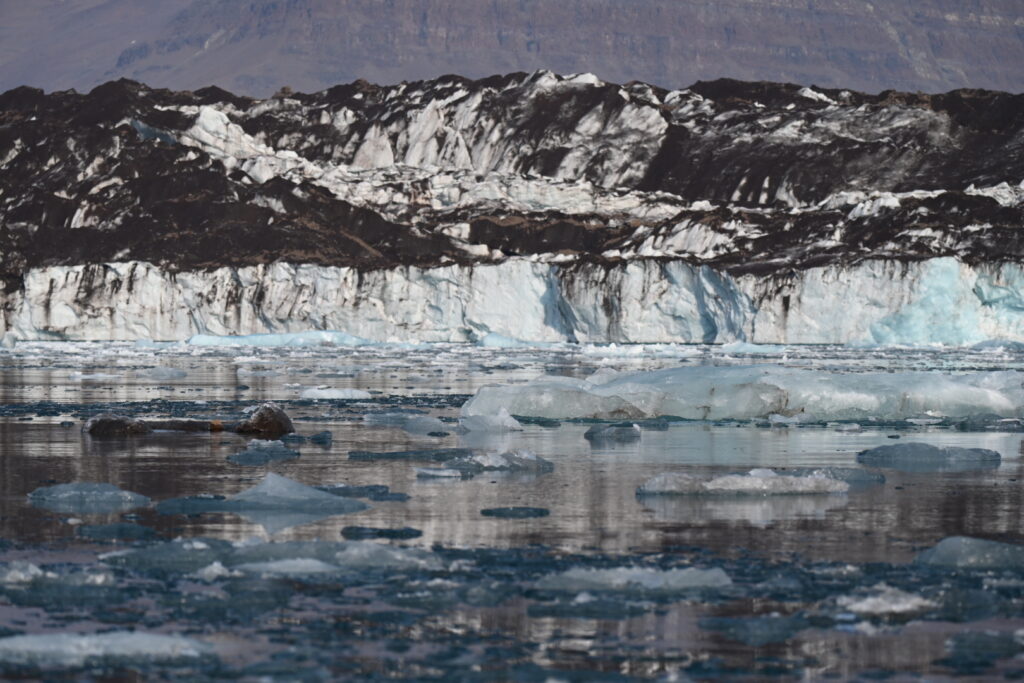
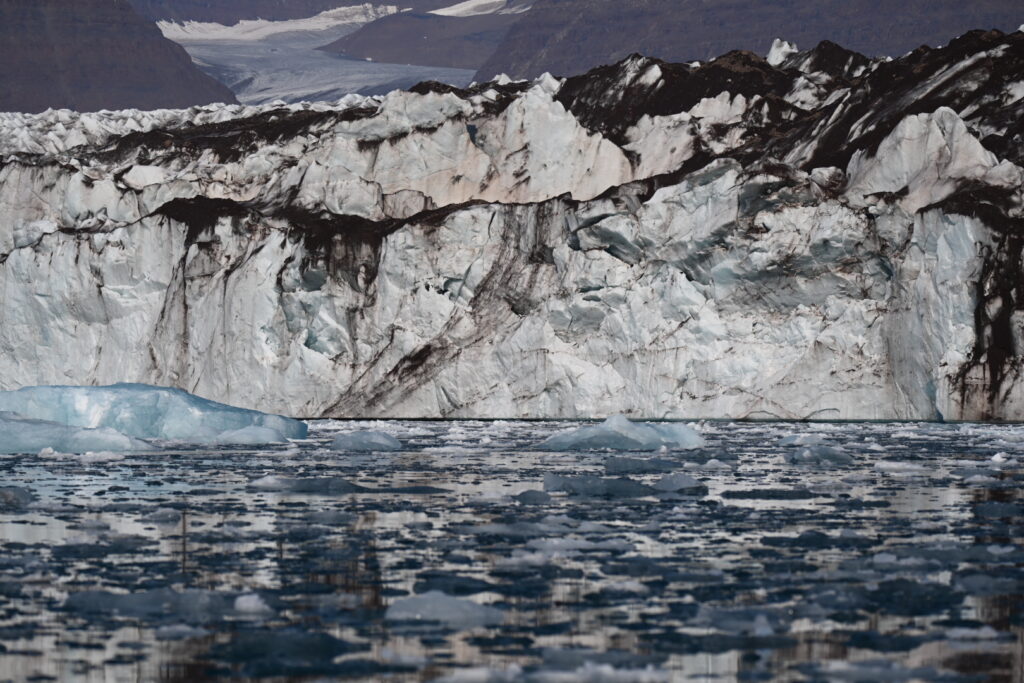

David stays out as long as possible. He wants a calving to make this the perfect trip. And I know his view is shared by many of the guests:
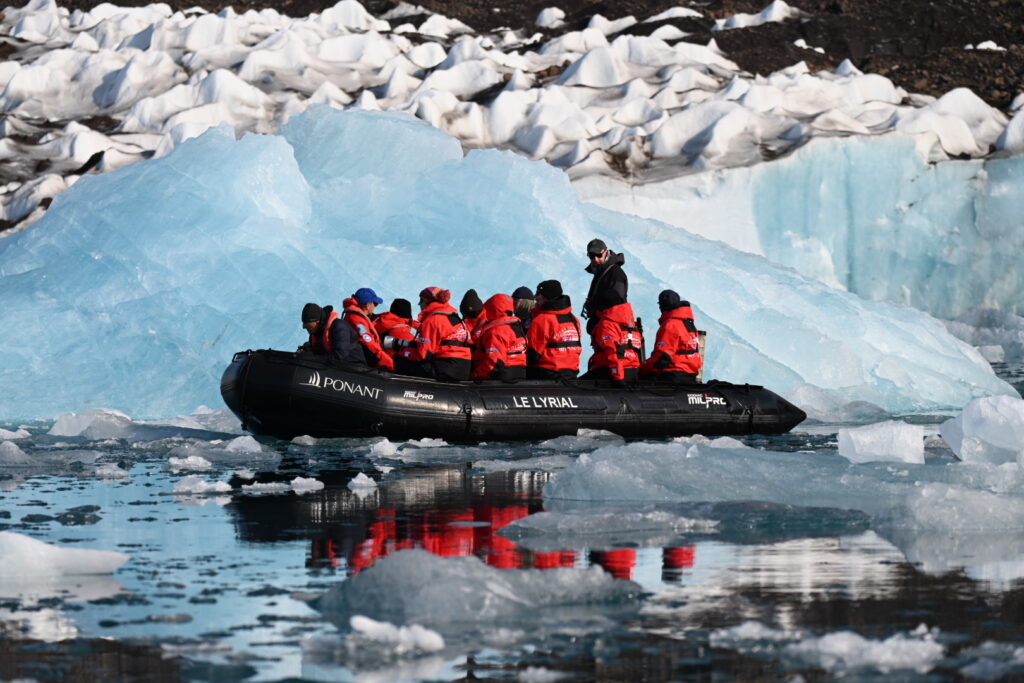
We’re not bothered either way. It’s easy to let these bucket lists expand to the point where they overflow the voyage, but we’ve always had modest goals for this cruise. We far exceeded those hopes the moment we spotted polar bears.
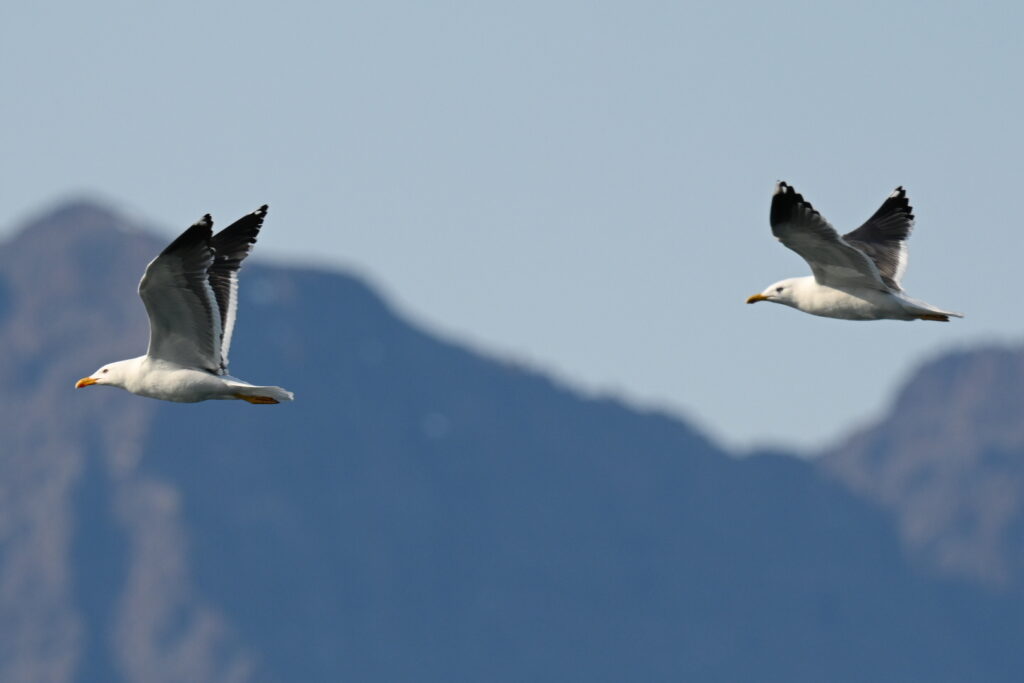
We catch some gulls racing between the bergs:

And we enjoy both flavours of zodiac cruise – mild and spicy:
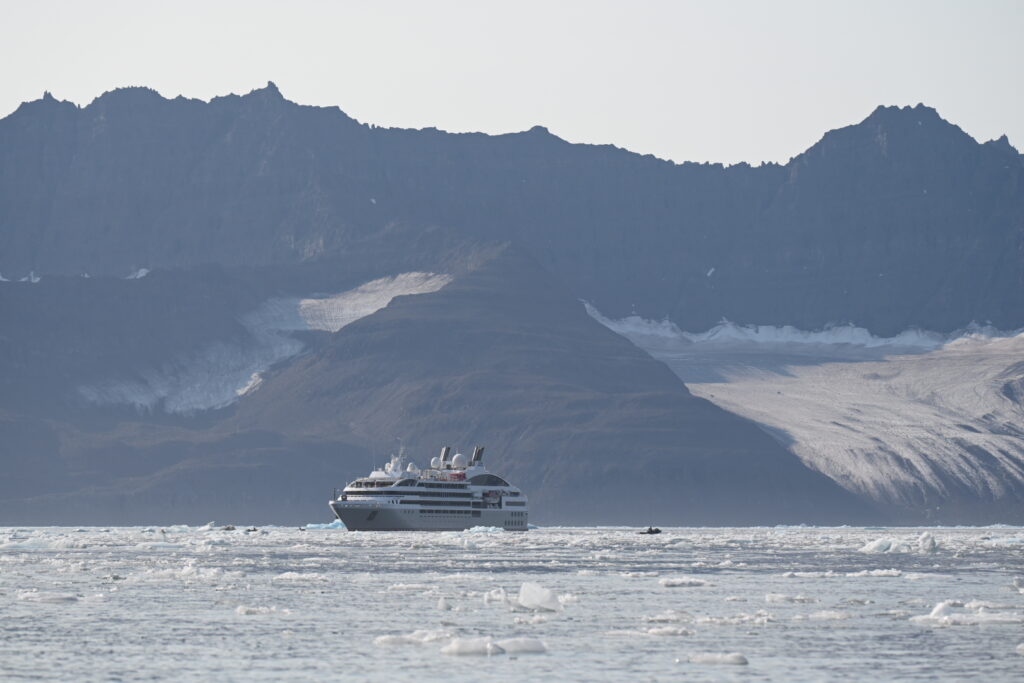
Then it’s time to return to the ship:
Another tasty lunch today of pork loin, mashed potatoes and baguette. Then up to Observation for a spell, where we watch the ethereal fog close in around us.
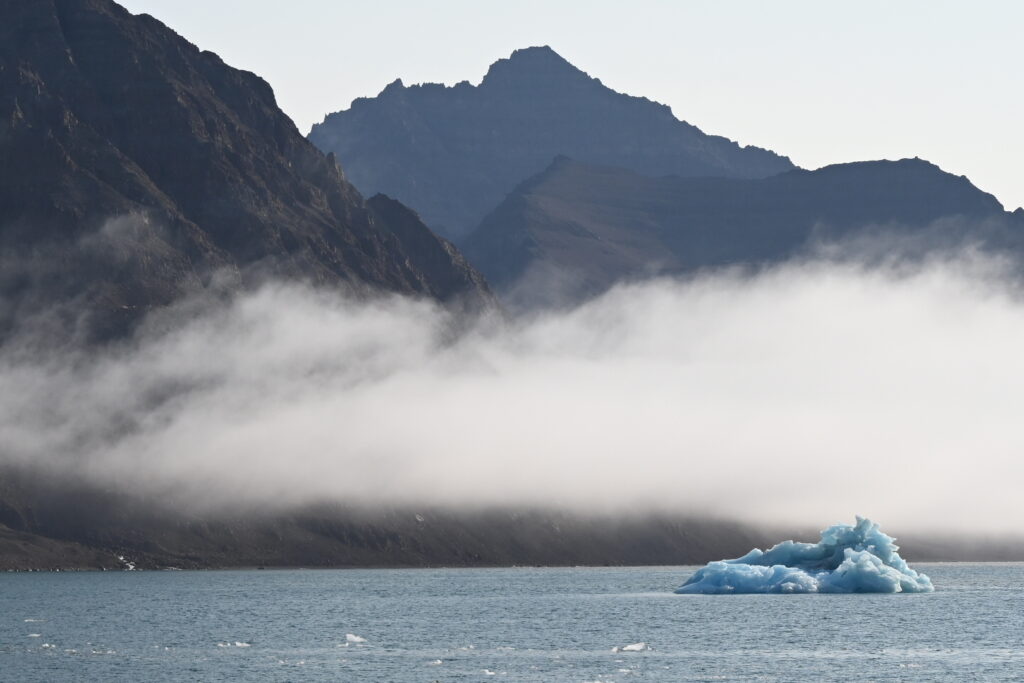
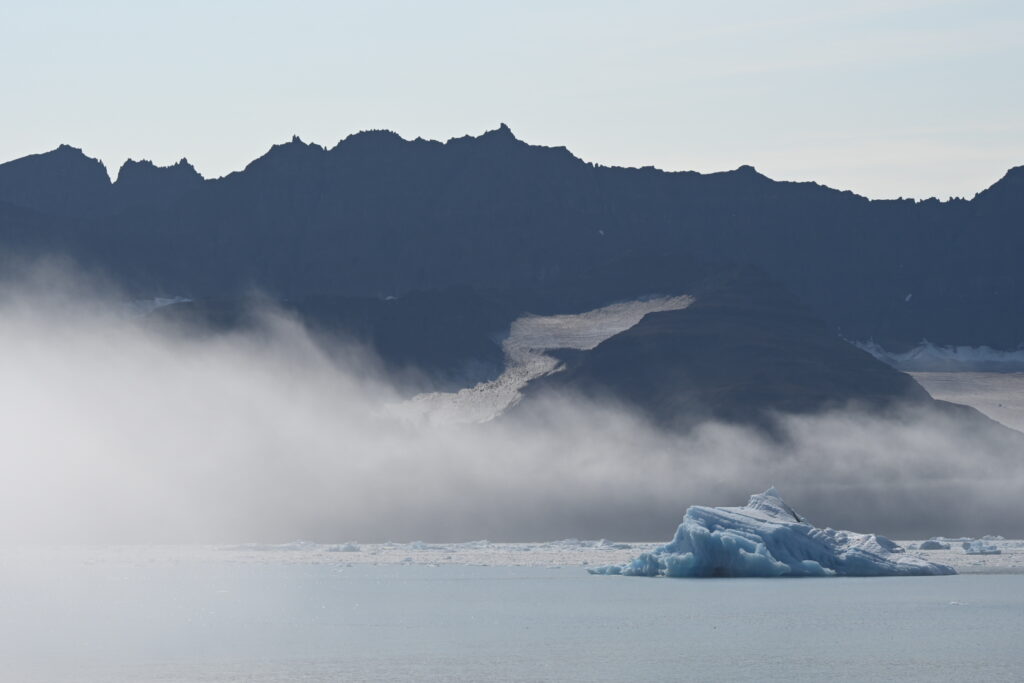
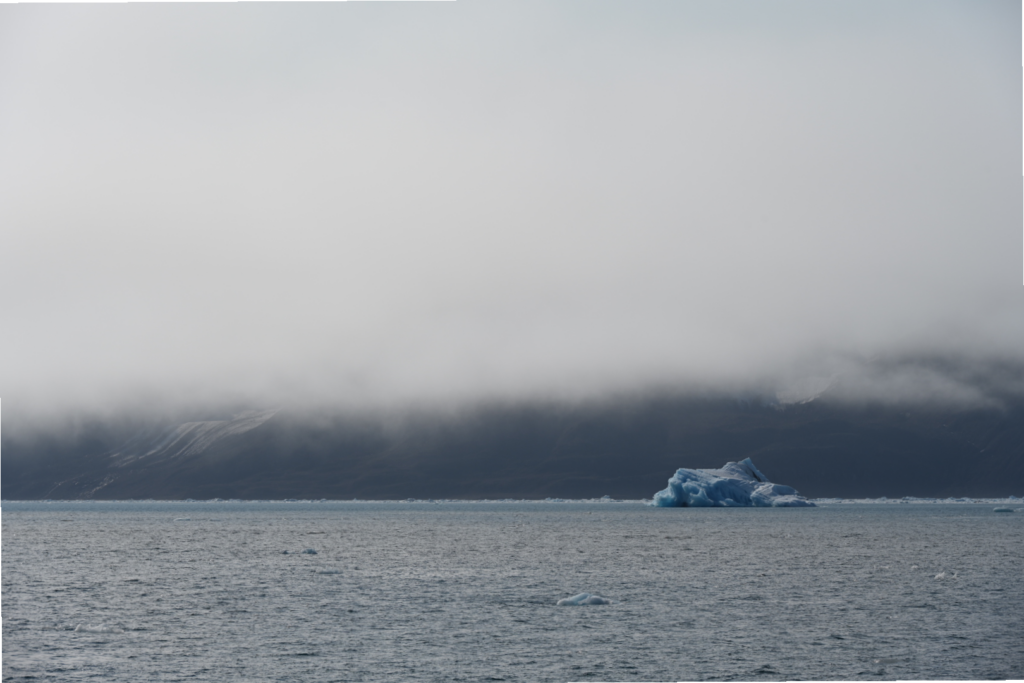
Unsurprisingly, there’s an announcement – with the fog rolling in, it’s no longer safe for us to go ashore. We will instead be repositioning slightly and going on another zodiac cruise.
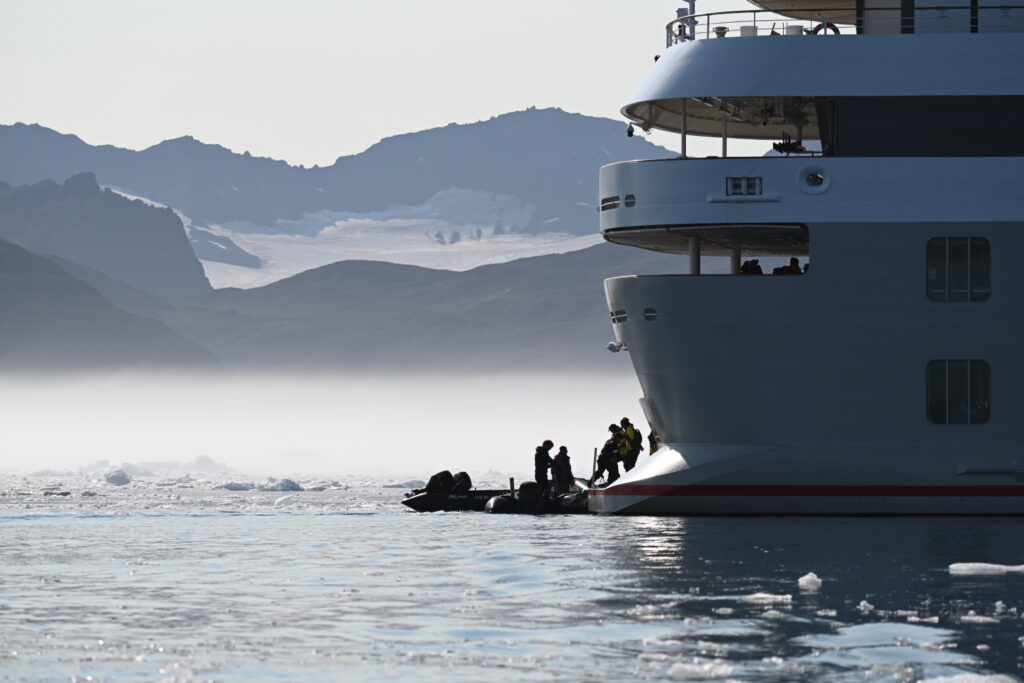
We had intended to let other passengers take up the spots on Zodiac Zen, but there aren’t any takers – so we hop on instead, this time with Expedition 2IC Anne Clair.
The fog wraps us all in an ethereal glow:
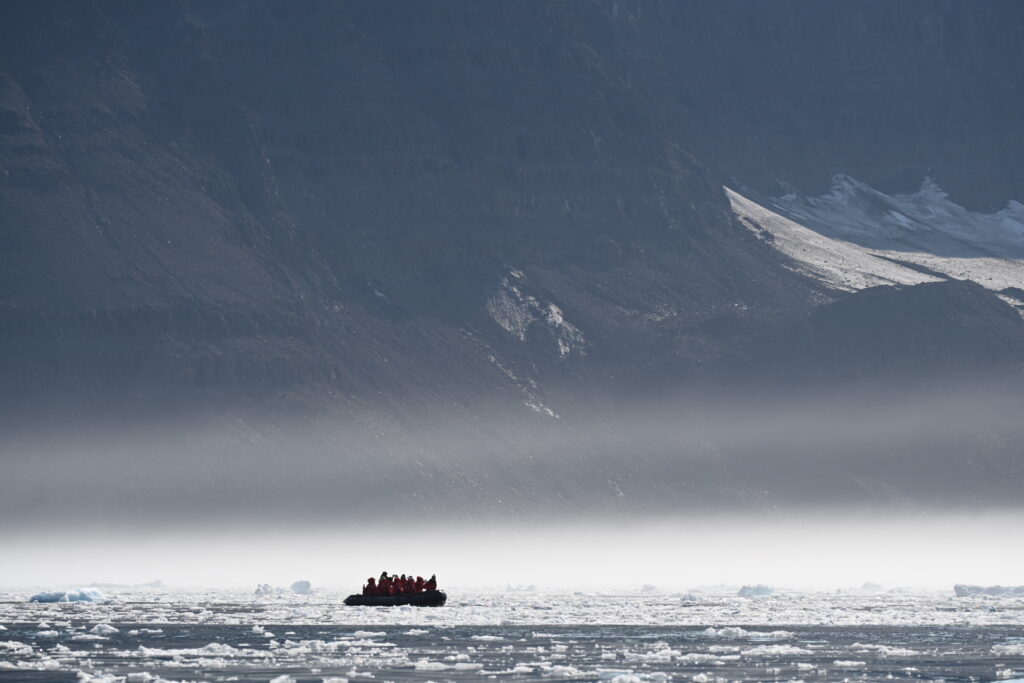
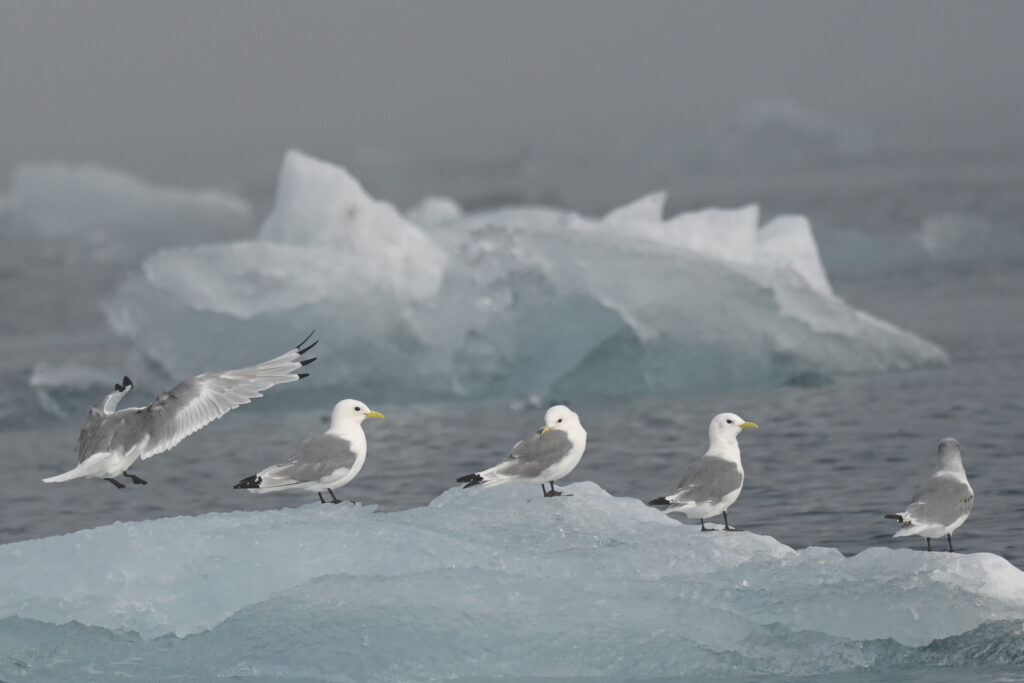
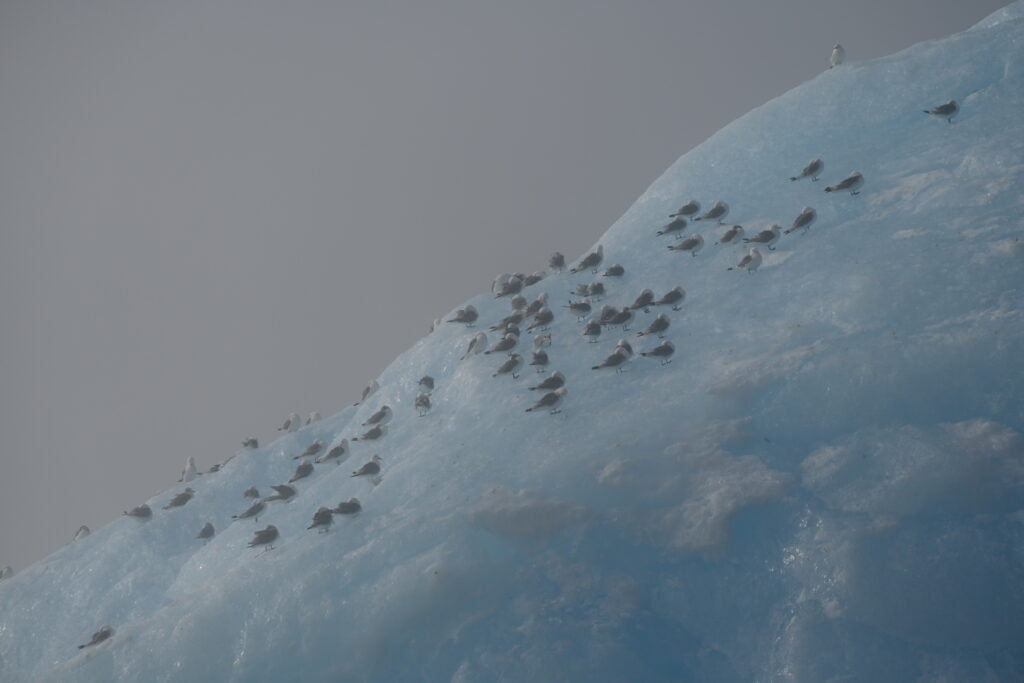
We then drift through the fog, encountering flocks of Kittiwakes atop the icebergs:
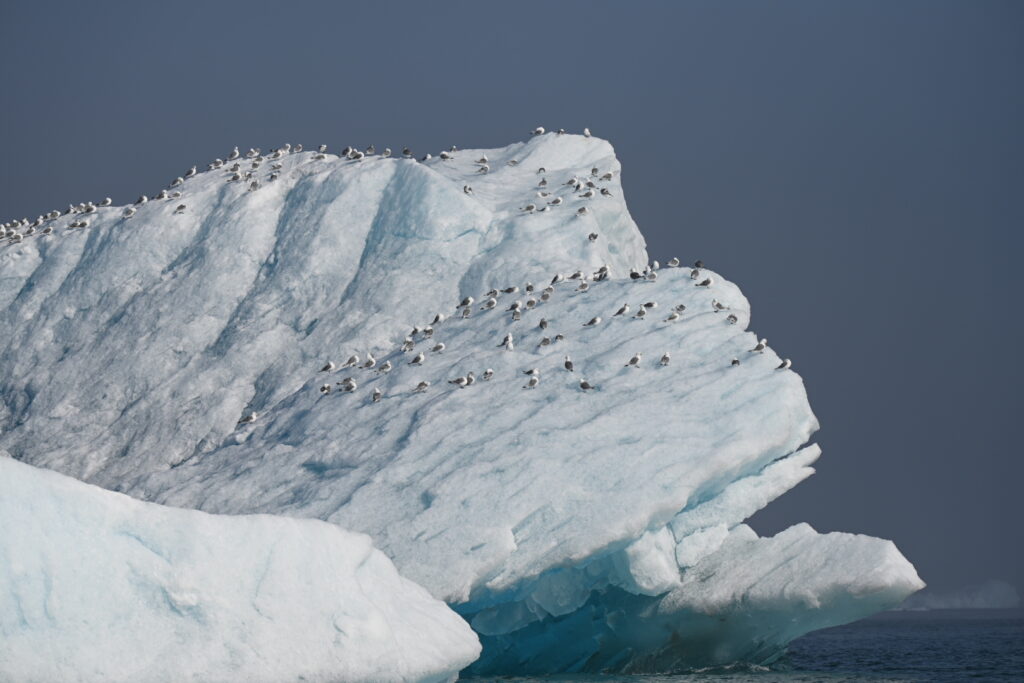
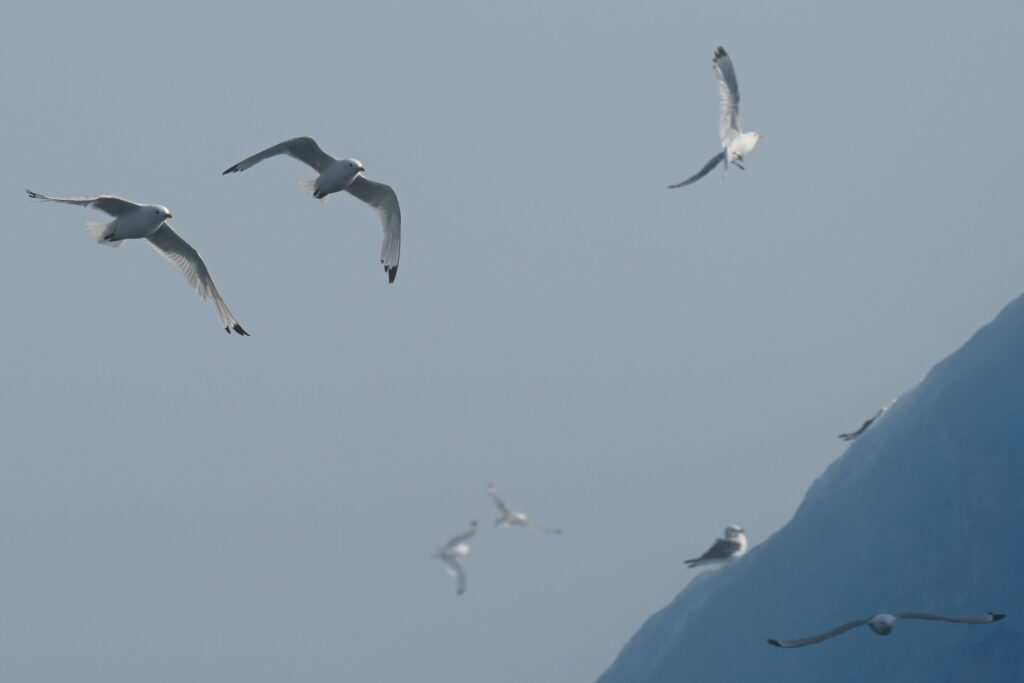
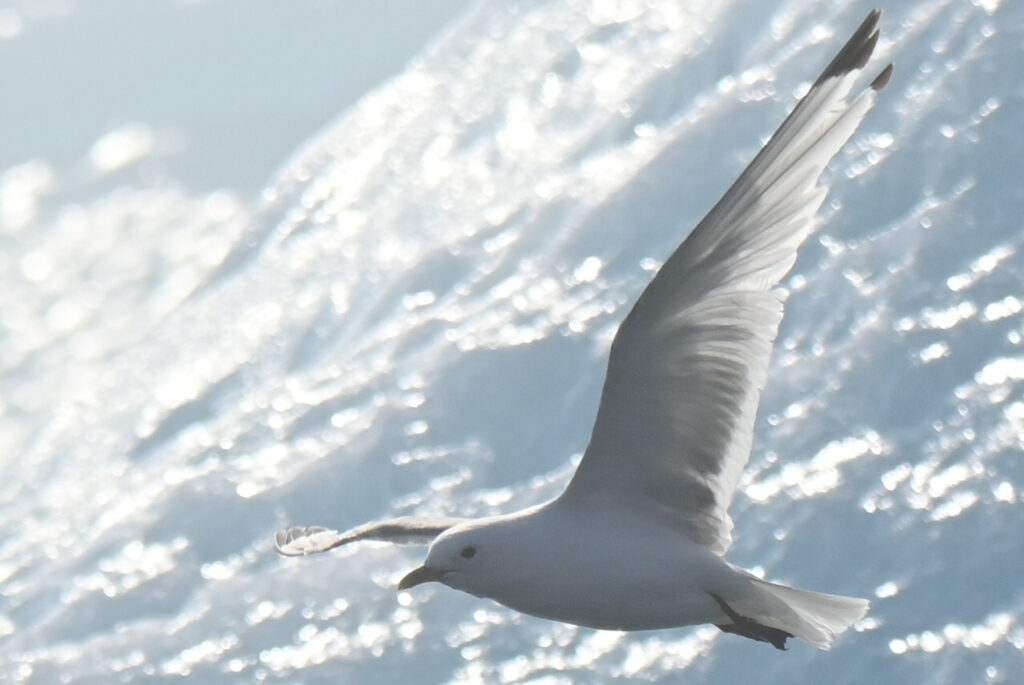
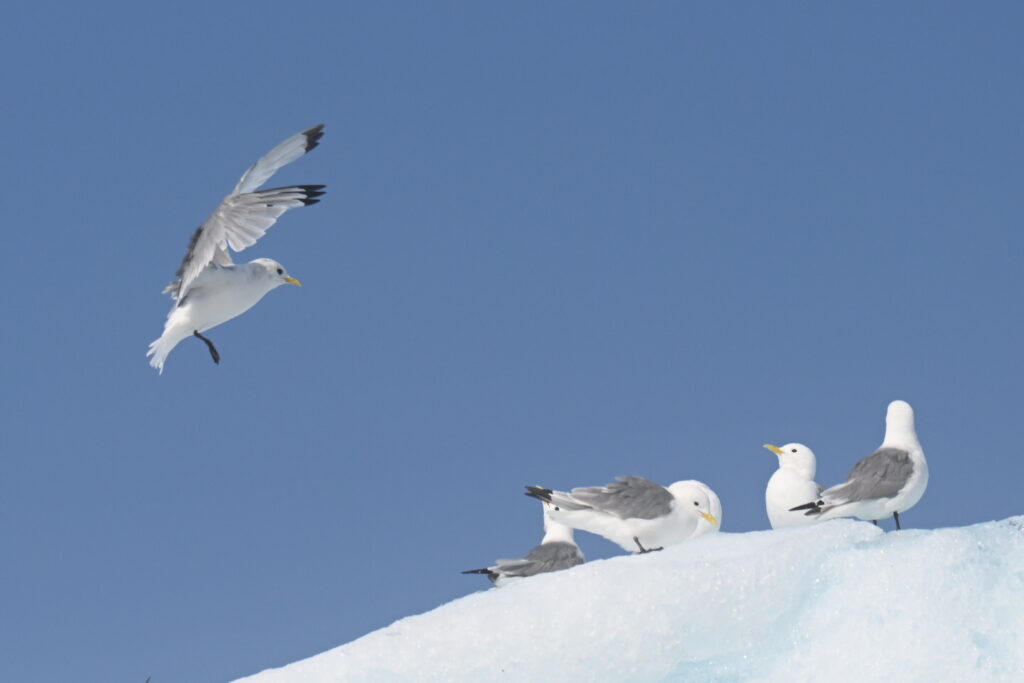
Plus a rogue guillemot:
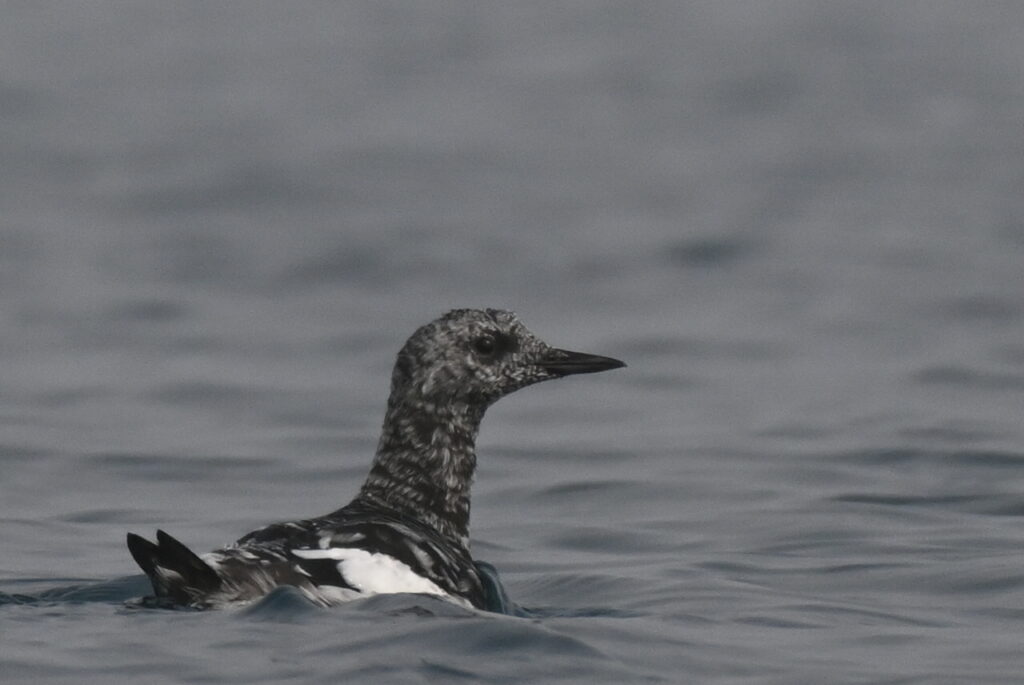
You can tell that the expedition guides are hoping to spot seals, but without success.
But I’m fine to just live with the kittiwakes for a time:
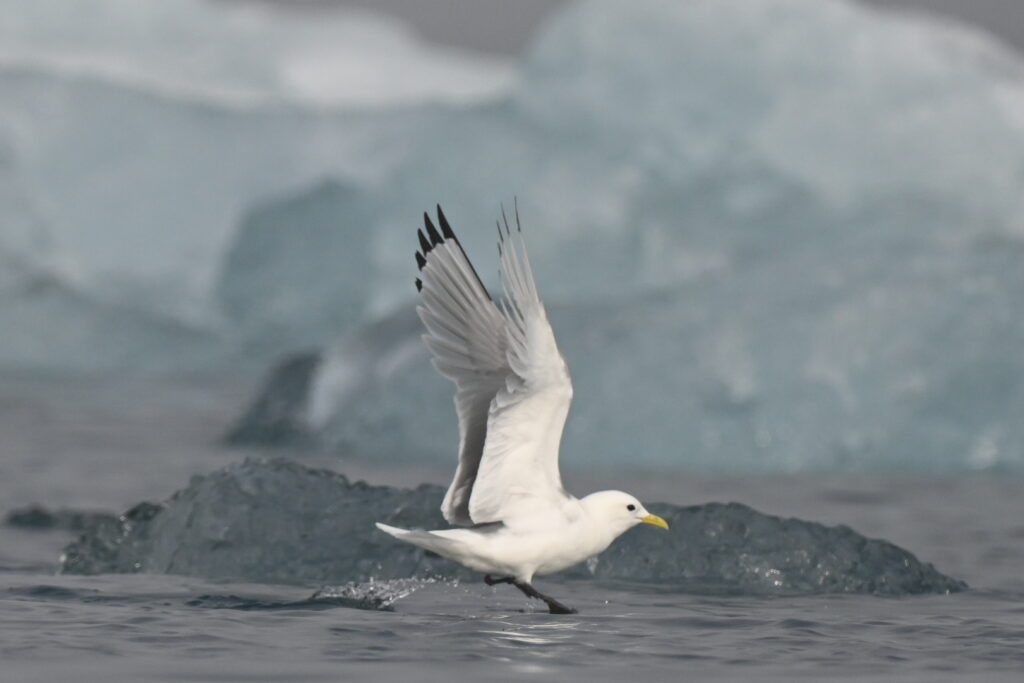
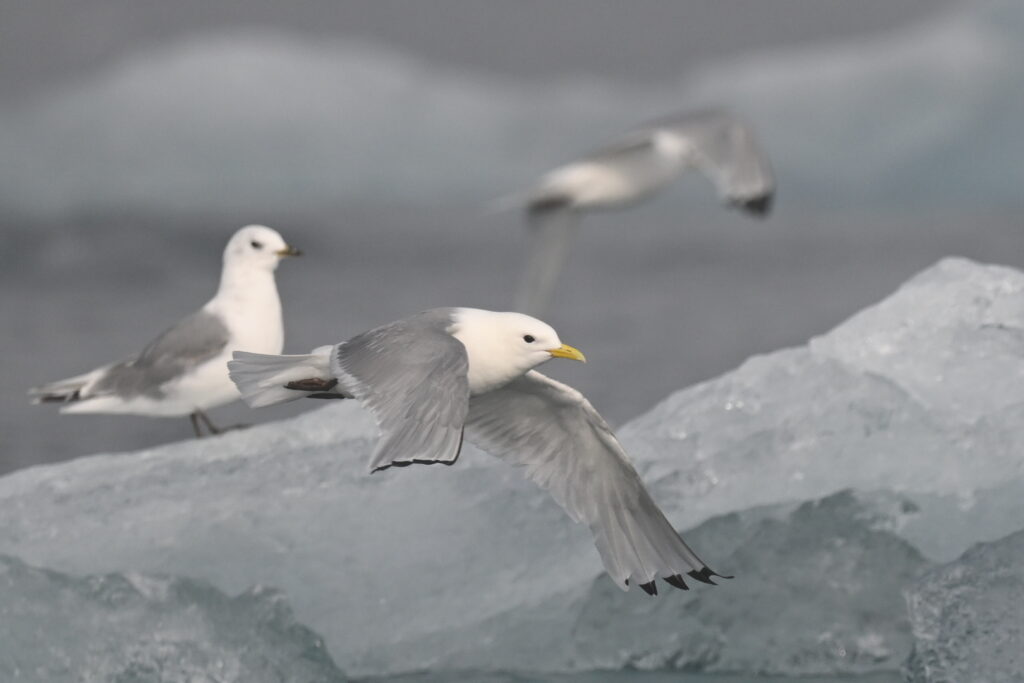
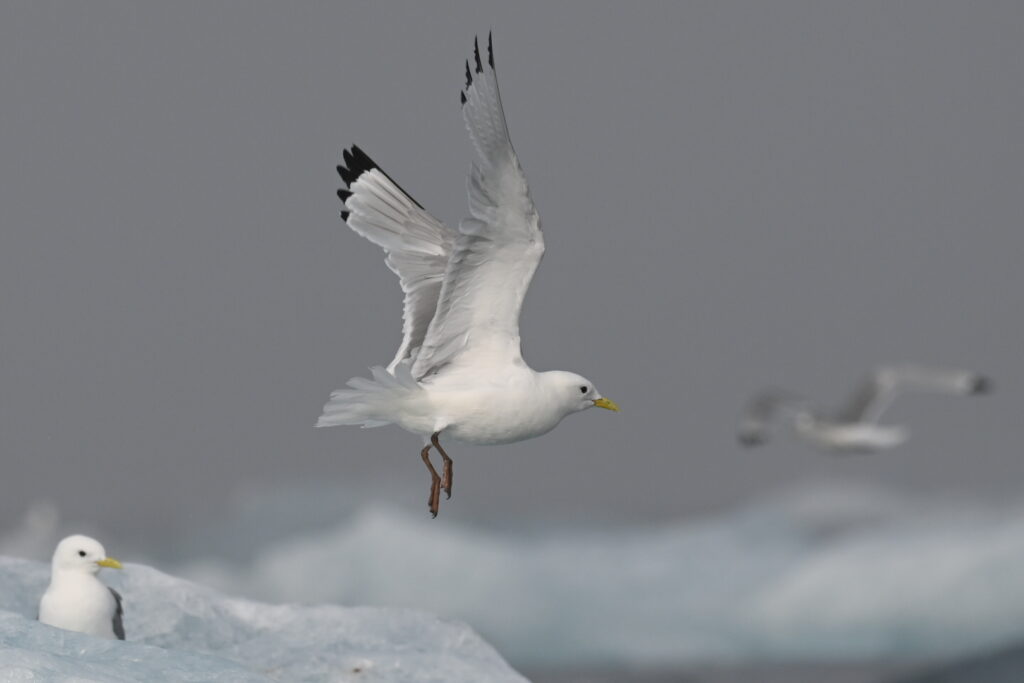
It reminds me of the time we went on the hunt with African wild dogs in South Africa. Very special, indeed.

Though this one looks like he needs a coffee
Time to start heading back – with some new and novel icebergs along the way:
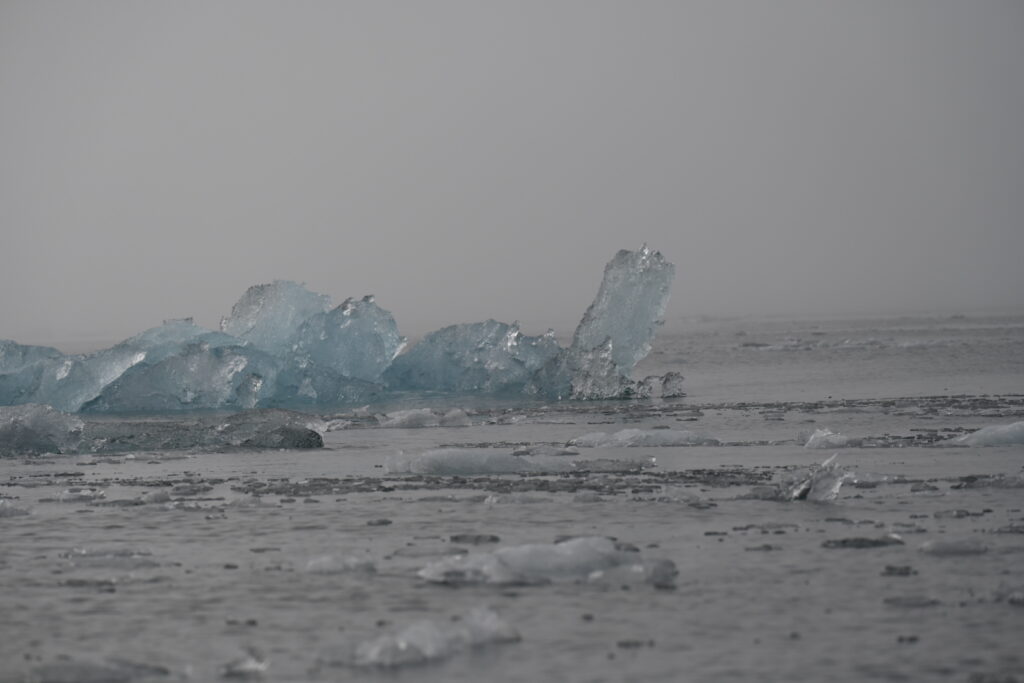
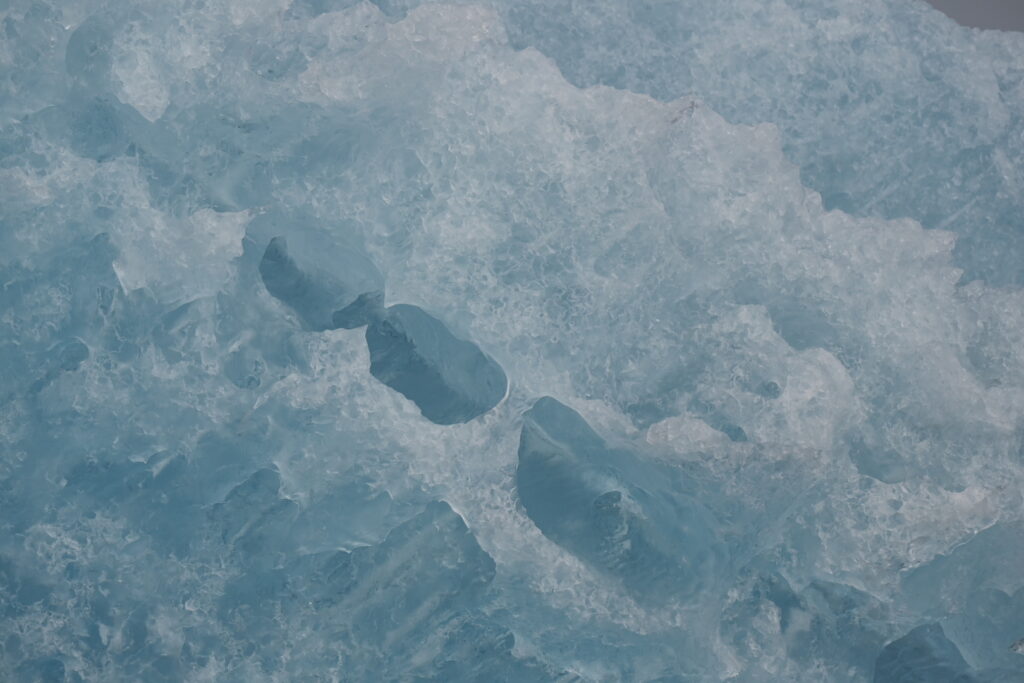
And we sit for another spell:
I’d wondered if perhaps another day in Greenland – particularly without an agenda – might have ended up feeling repetitive, but it’s been another great day out on the ice. (Though it helps, as my wife puts it, that “I’ve never had a bad zodiac cruise.”)
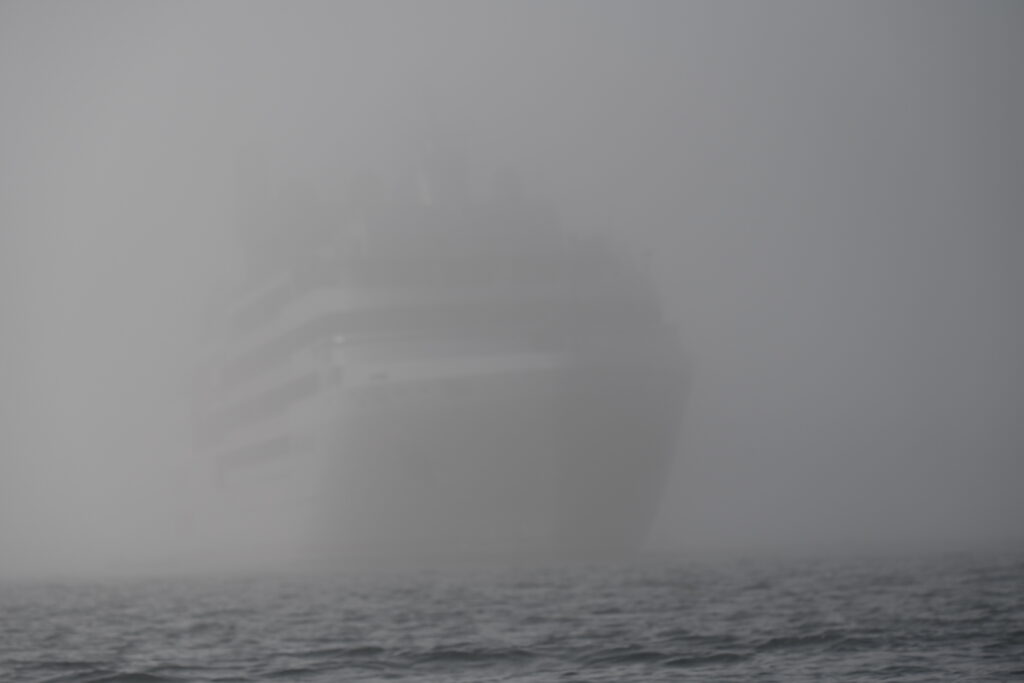
But soon Le Lyrial emerges from the fog like a ghost ship:
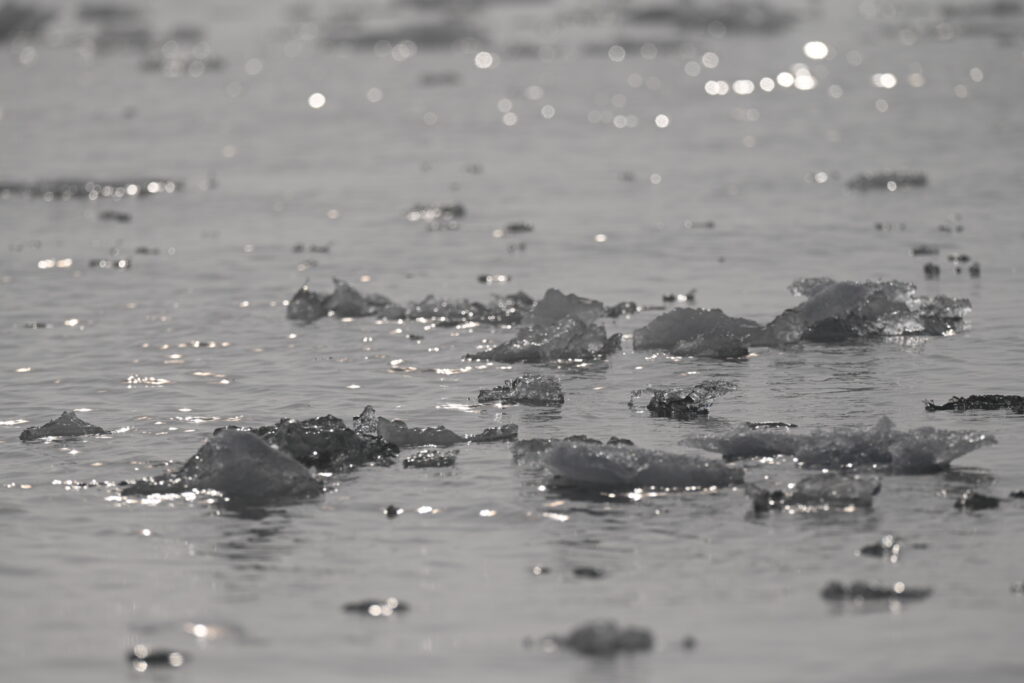
We bid farewell to the ice:
And we reboard.
We have another expedition briefing before dinner. It’s… a bit of an odd one. David says the word “glacier” so many times that it loses meaning. (I think he finds the Anglicized version just close enough to the French version to be uncanny.)
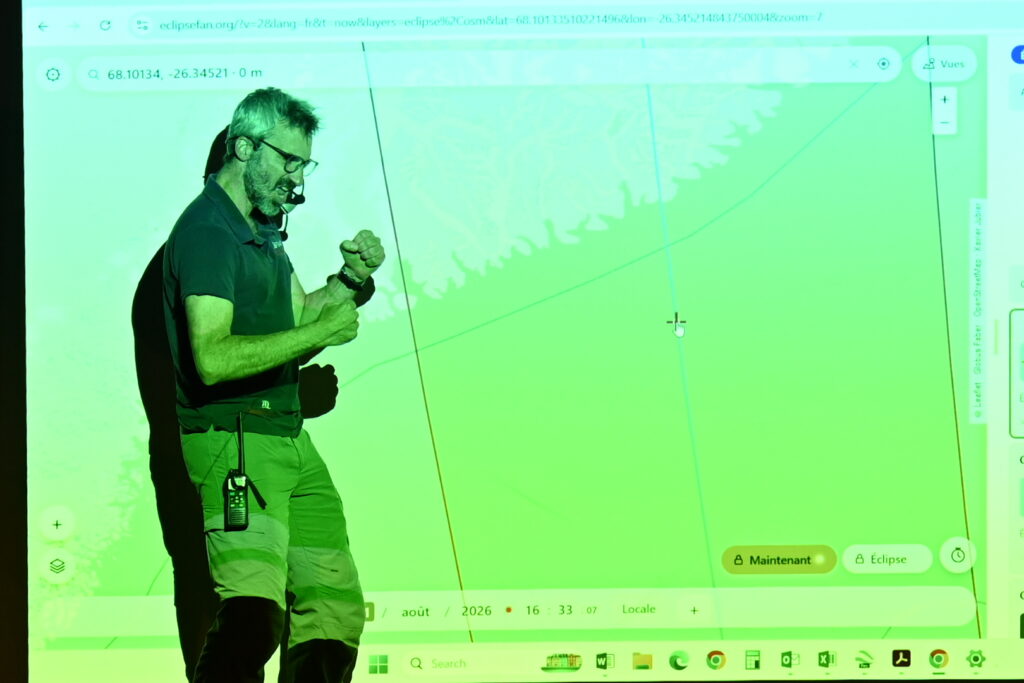
David excitedly announces his latest expedition plans, blissfully unaware that they will be cancelled by fog in less than four hours time
We then learn that David has unfortunately not been able to shift over our stop in Ísafjörður so it seems we will be missing a morning’s excursion, but that seems a fair price to pay for our extra time in Greenland. He is even hopeful that he will be able to arrange one more landing in the morning before we set course for the eclipse:
And what are we going to do in Iceland? I’m not really sure, and I’m not sure David is either – we’re either going to be visiting a waterfall or definitely not visiting a waterfall, but it’s not clear which is the case. Guess we’ll find out after the eclipse!
We then move on to the recaps.
Maxime provides us with an introduction to Expedition Alabama, which was intended to recover the lost diaries of the Danmark expedition and disprove the theory that there was a channel that split Greenland in two. However, the Alabama became trapped in the ice.
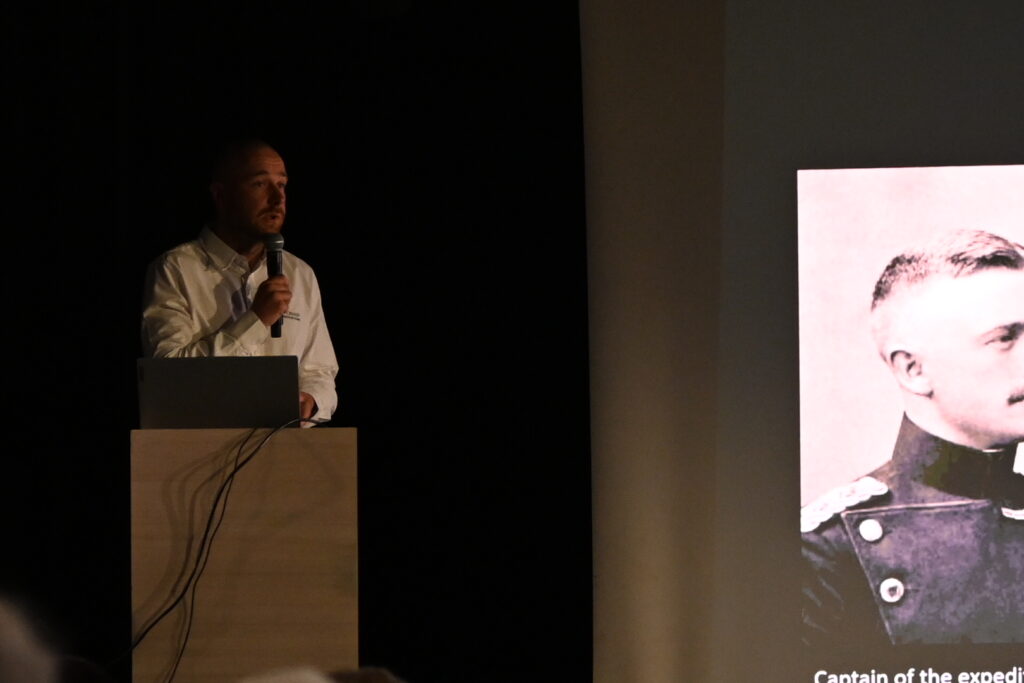
The captain – Ejnar Mikkelsen, who helped establish Ittoqqortoormiit – left his crew to go in search of the missing records, and the crew was rescued by a whaler. Mikkelsen and his engineer used salvaged timbers to construct a cabin, and spent two winters there before being rescued.
Mikkelson initially wrote a book entitled “One Against the Ice” but re-wrote it after people correctly pointed out that the engineer was there too. “Two Against the Ice” is considered a classic exploration book, and has since become a Netflix movie.
Alex provides an overview of the Ammassalimiut, the Inuit of the Tasiilaq region who would later go on to settle Ittoqqortoormiit.

It’s particularly interesting to see the different forms of traditional boats. The kayak was predominantly used for hunting, while the umiaq was a larger family-and-cargo vessel.
The final recap is provided by Justine, who talks about polar bear hunting statistics.
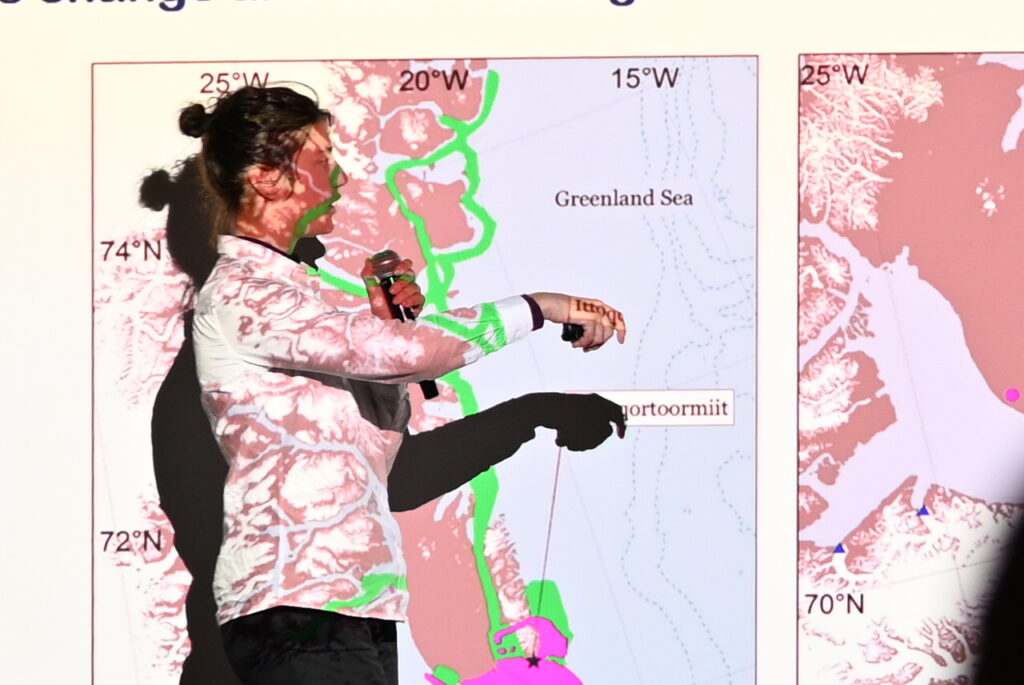
It’s interesting to see that hunting numbers among the traditional people of the Arctic have remained relatively consistent throughout the years, but the hunt’s geographic range has reduced dramatically. One of the comments made by the hunters was that they find the bears on the land more often because there is now less ice.
Off to dinner – where they served beef tenderloin once more, albeit at the buffet. The mashed potatoes were cold, but the second batch to come out was much improved.
Le Lyrial then set off through the heavy fog, emphasized by the announcement that expedition activities for tomorrow would be cancelled.
Ah, well – we could use a sea day.
And – though I had resigned myself to missing the eclipse – I couldn’t help but check the forecast to see whether we might just catch a sliver of sunshine at an opportune moment.
But the more I check, the more I begin to wonder if an Arctic eclipse viewing – and photos – might be possible after all.