Today’s Daily Program:
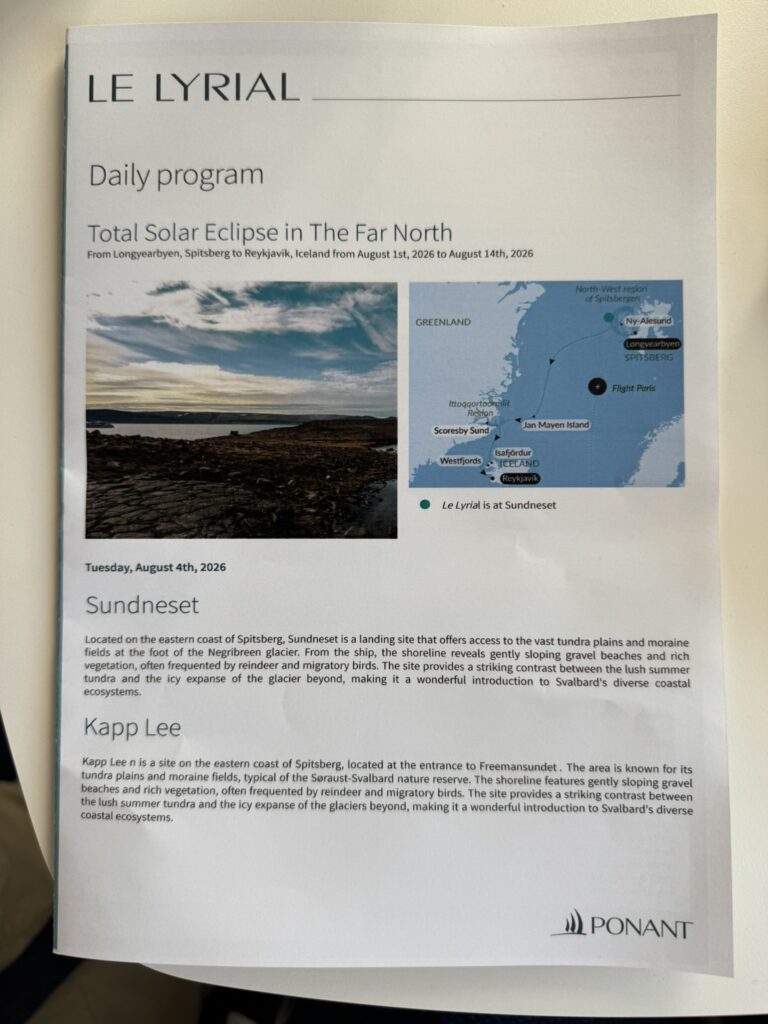
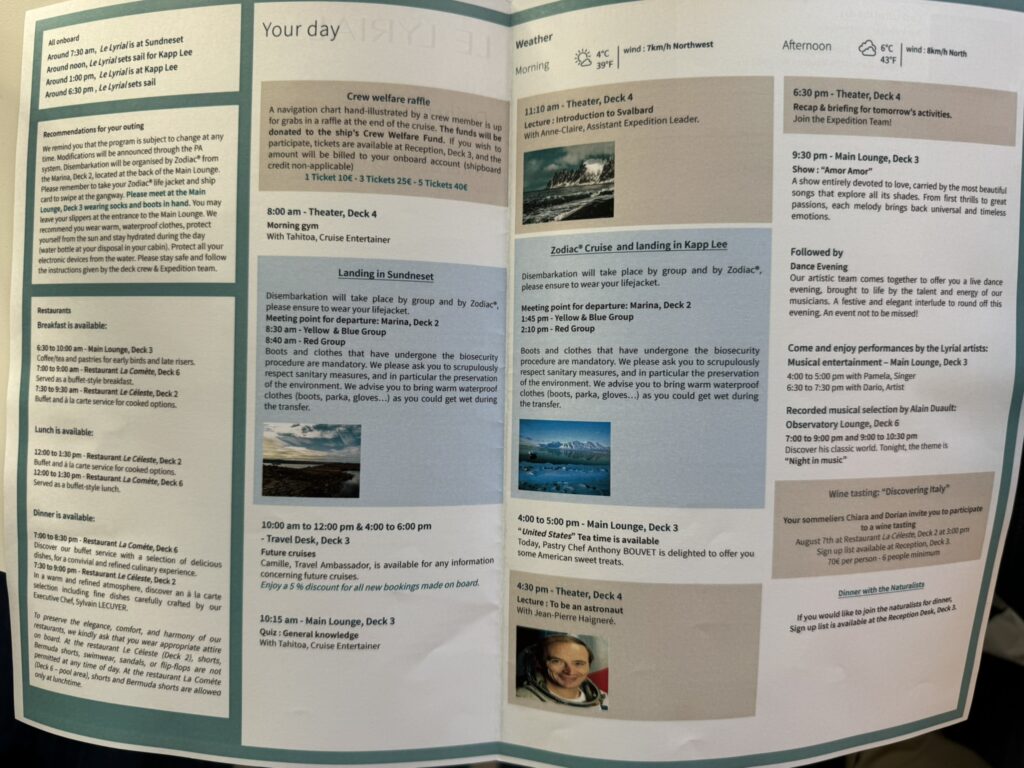

We are woken by David’s dulcet tones once more:
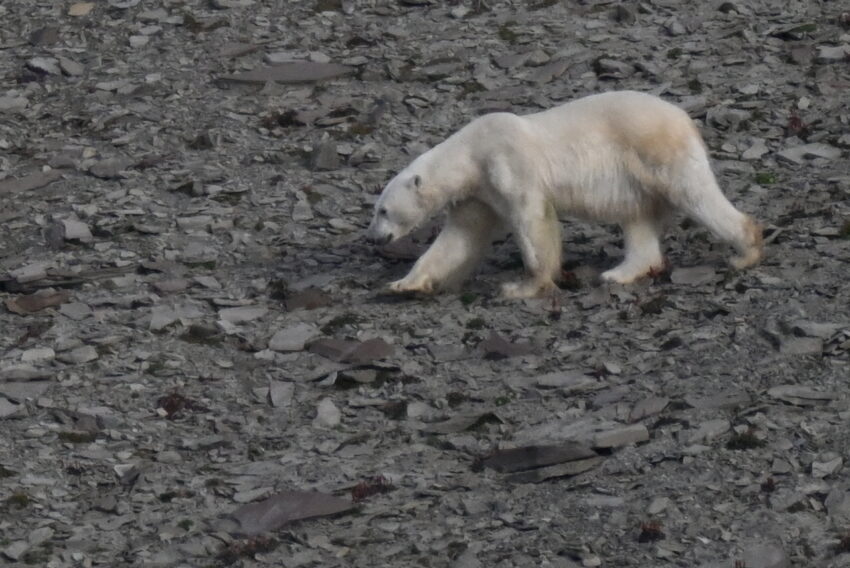
“It’s 7 am, and we have more bears off to port… four bears, including a mother and her cub.”
Of course, none of my camera gear is ready to go – so there’s a frantic rush as I put on clothing, switch lenses, grab the tripod and run out to the nearest port outside deck, right by Reception.
Except the ship is already pivoting, and the bears are now off to starboard – so I run to the stern instead. One of the waiters is out with his full telephoto, snapping away – good for him! – but unfortunately the mother and her cub have already gone back up over the ridge.
All right. I’ll take my time and get this right. Back to the room again, and I grab my teleconverter and tripod then head up to Observation – except my tripod leg falls out when I try to extend it, leaving me no option but to lean against the railing.
But the light is in my favour this time, and I’m able to get some much better shots:
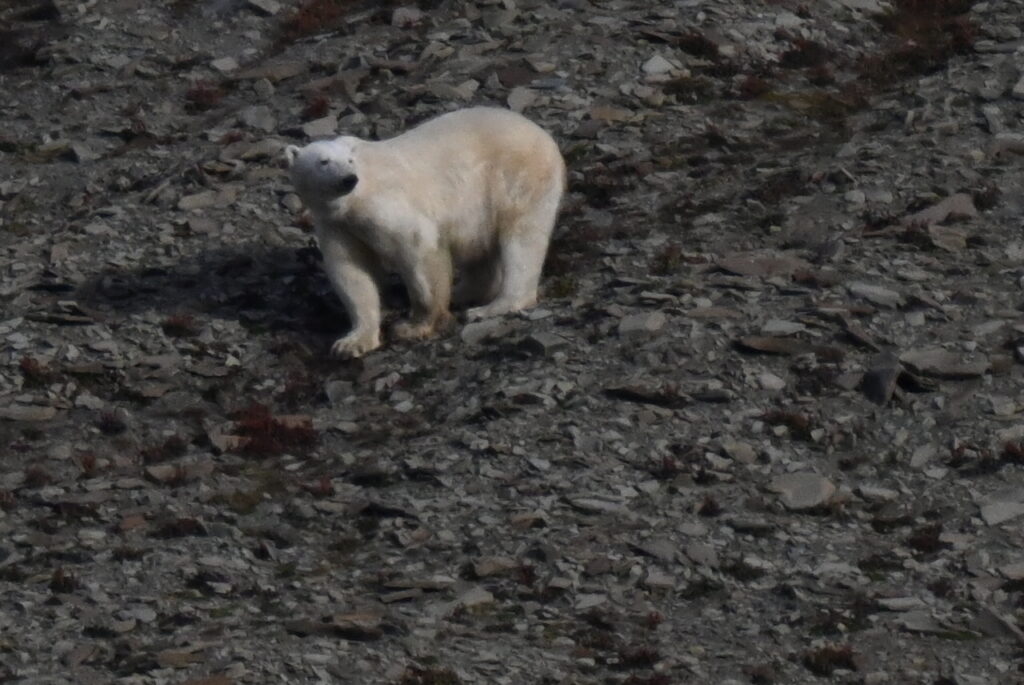

There are still two bears. A mother, and perhaps an older cub?
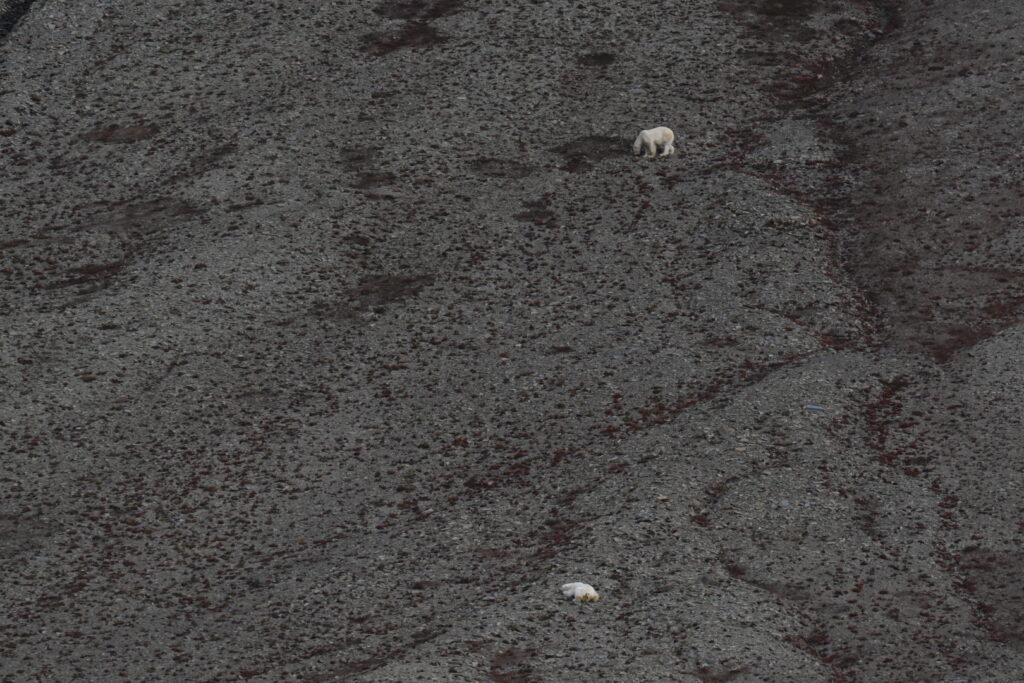
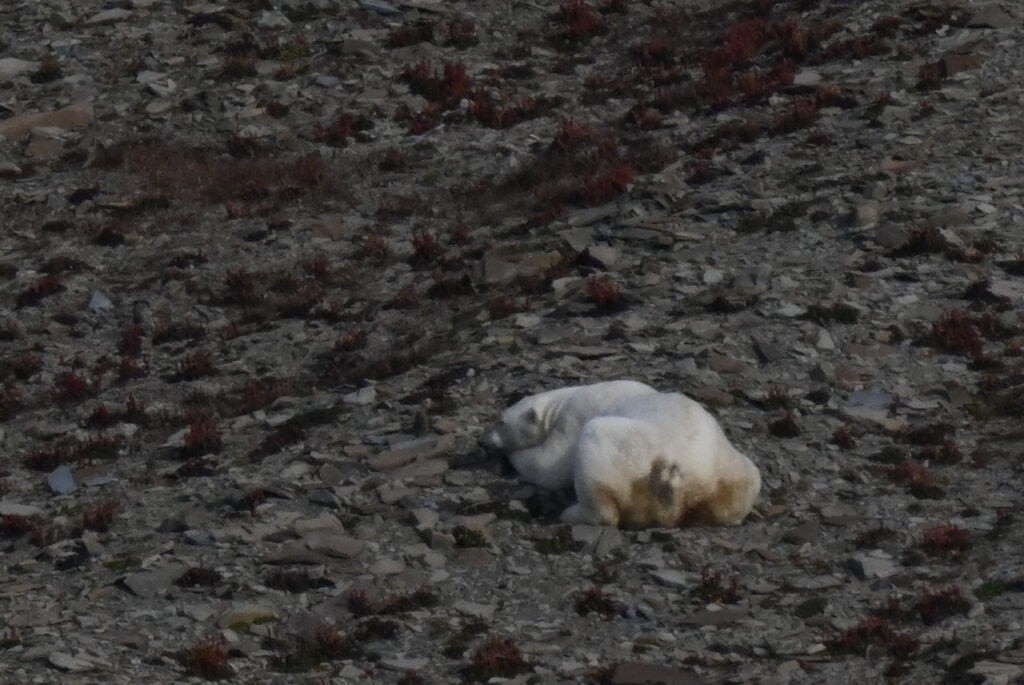
They aren’t acting aggressive toward one another – though the higher one does start to move lower:
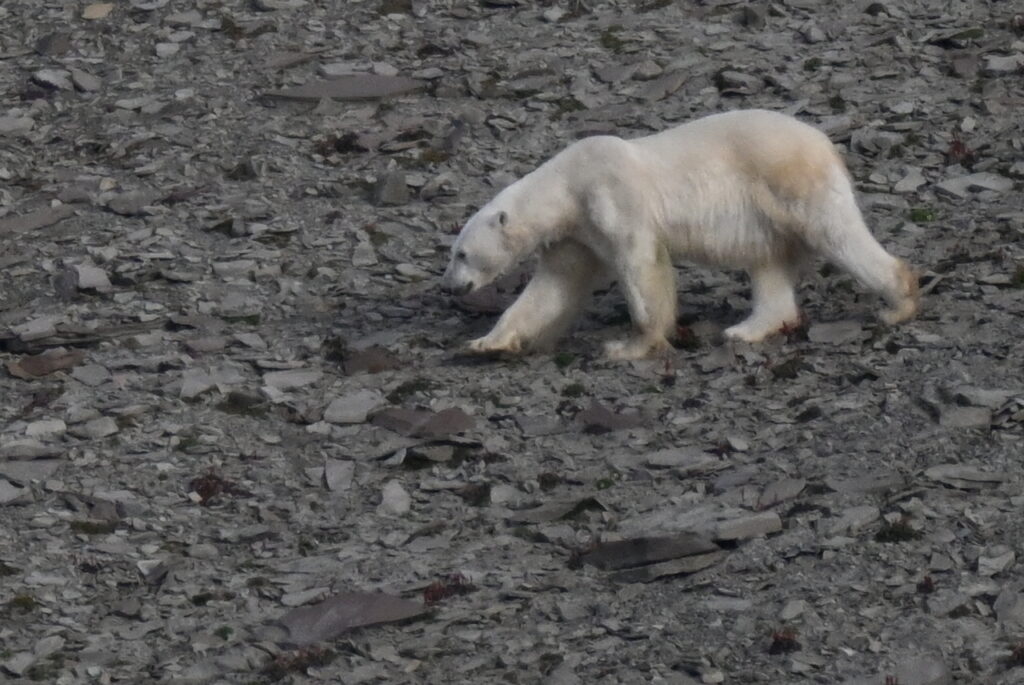
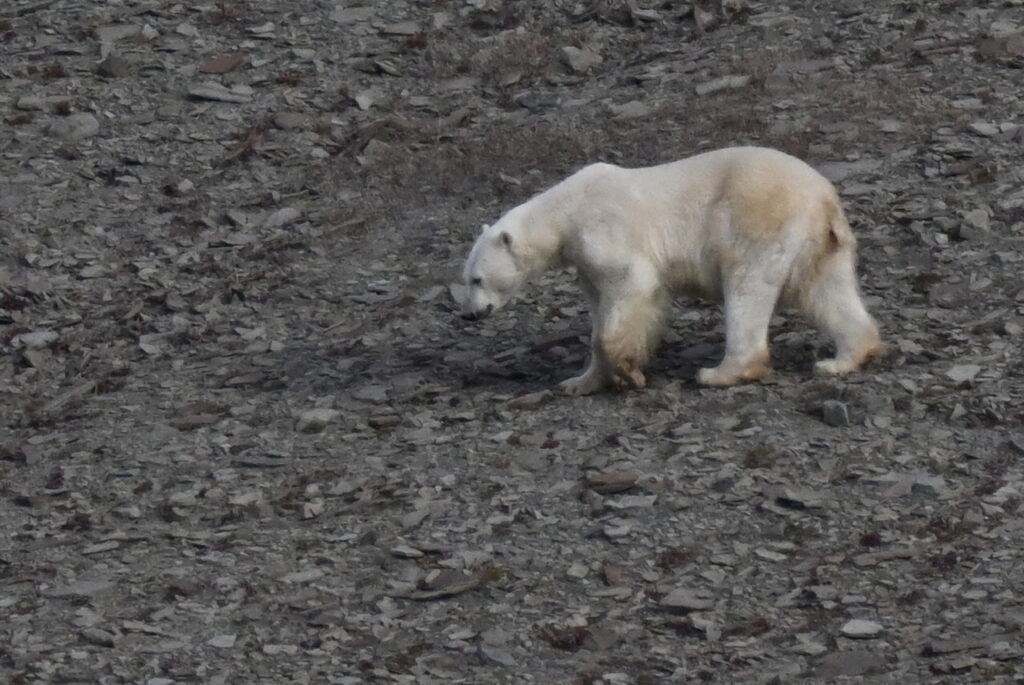

It feels like she’s keep an eye on the lower bear:
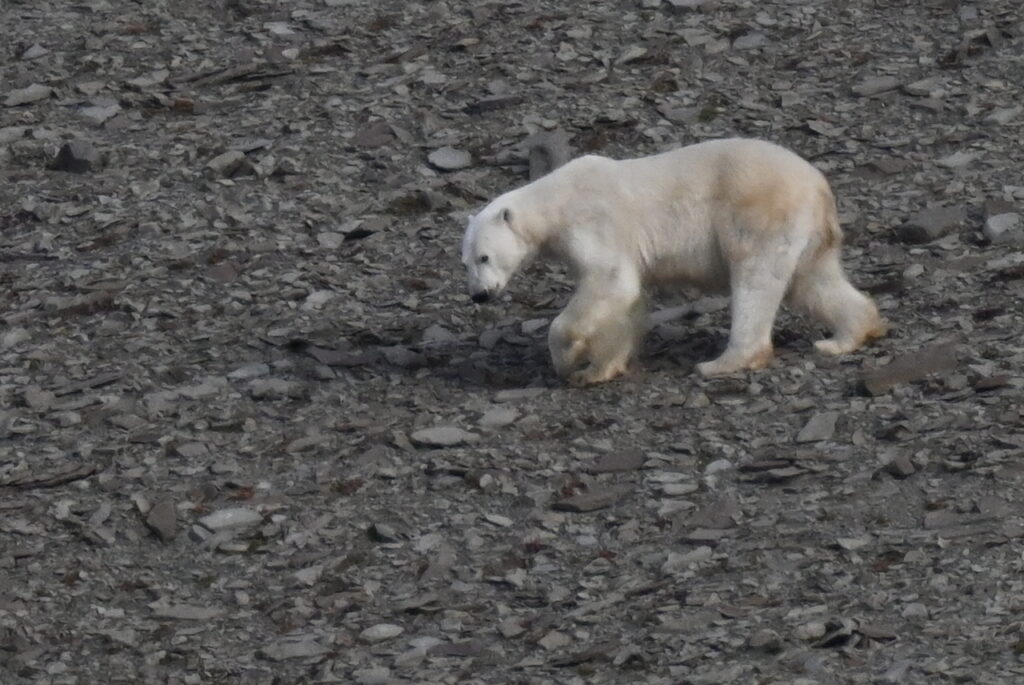
It looks like she’s scenting:
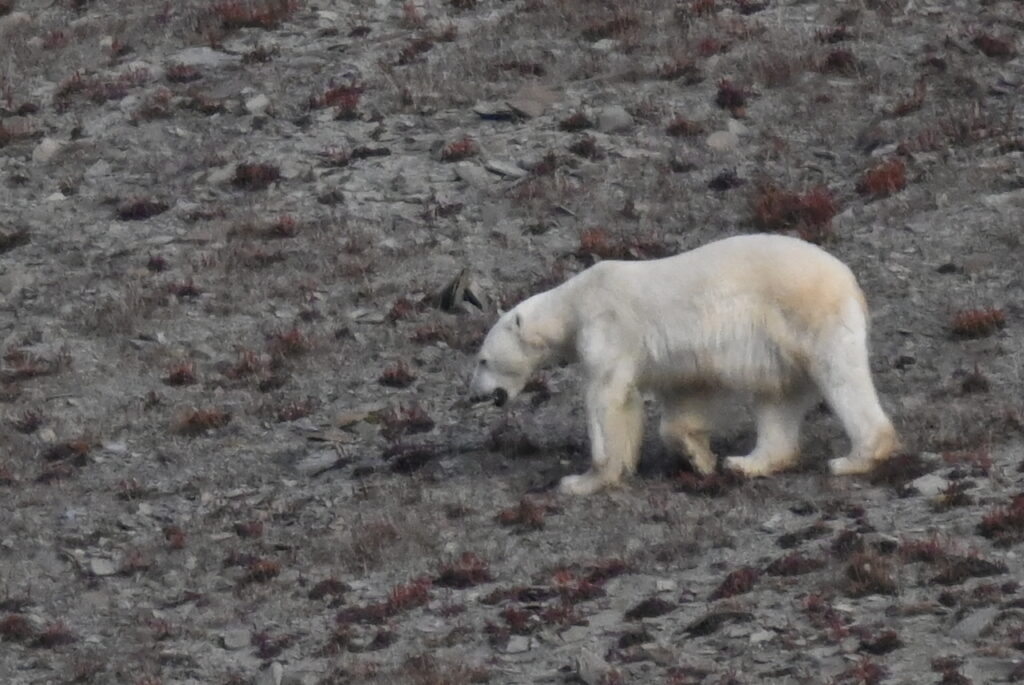
She also snuffles about:


I snap photos as fast as I can.
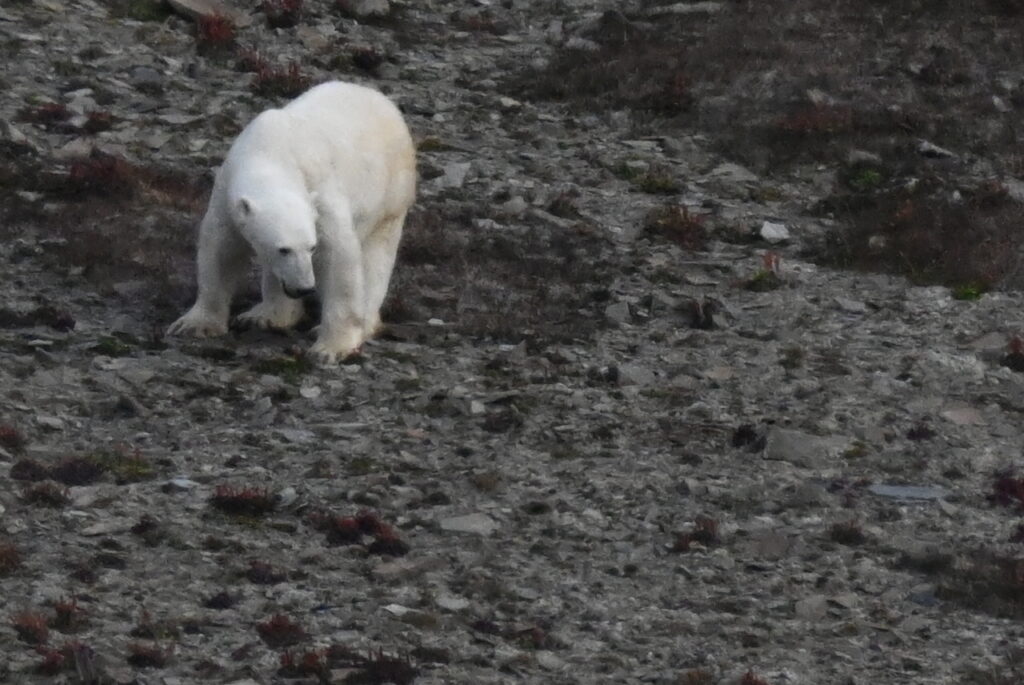
Eventually the ship moves off, and I head back to the cabin to actually start the day. We attempt to get a seat at the Grill for breakfast, but – after our early morning wake-up – all of the seats are already taken. So we head down to the Restaurant instead. We only collect food from the buffet this time – our first landing has been delayed, but we’ll still be first out the door. Ponant’s scrambled eggs are surprisingly edible.
David comes back on the ship’s speaker to confirm that the bears were spotted near our initial landing site of Sundneset, so we will instead be landing at our planned afternoon stop of Kapp Lee roughly an hour from now so that we can approach a walrus herd on foot. Sounds good to us.
Our day gets even better when we get word from Reception – they have finally verified everyone’s Grand Admiral status, and so we are indeed all eligible for free laundry plus an extra 150 Euro per person in onboard credit. One less detail to worry about!
We have a little bit of time back in the room for reading / writing / relaxing before it’s time to kit up and head down to the Marina.
I haven’t spoken much about embarking / disembarking – rather than having a dedicated mudroom, Ponant essentially converts the Main Lounge to act as a mudroom during operations. Between excursions guests leave their zodiac vests and boots outside their room on special mats. When their group is scheduled (or ideally a bit before) guests head down to the Lounge. They then remove their shoes, which are placed on large mats outside the Lounge.
You then carry your boots into the Lounge where rubberized runners have been set out and chairs oriented so you have a place to sit while you pull on your boots and adjust your rain pants. From here you then head back to the seating area behind the lounge and line up. Your cards are scanned, and you go down one more floor to the Marina. Zodiacs are loaded off the stern, similar to how Silver Origin in Galapagos operates.
It’s a fairly good system, except that this is also where the smoking area is located so there was once when we were wreathed with smoke while waiting to board a zodiac. Thankfully that’s only happened the once.
Only 39 people are allowed ashore at Kapp Lee at any point in time, so we will be rotating guests quickly – after roughly 20 to 30 minutes ashore.
It’s one of the waviest sites we’ve approached thus far, and one of us ends up with some water in their boot. Thankfully we won’t have to deal with that for long.
We make our way quietly across the sand. We’ve been asked not to wear perfume or any other strong scents. Sometimes guests can get as close as 30 metres away from the herd, but given the wind we are staying closer to 70 metres away. The walruses had shown signs that they were aware of the expedition guides’ presence when they were closer, so they were careful to back off.
Thankfully, I’ve brought one chonky boi (my telephoto lens), so I might as well be standing next to them:

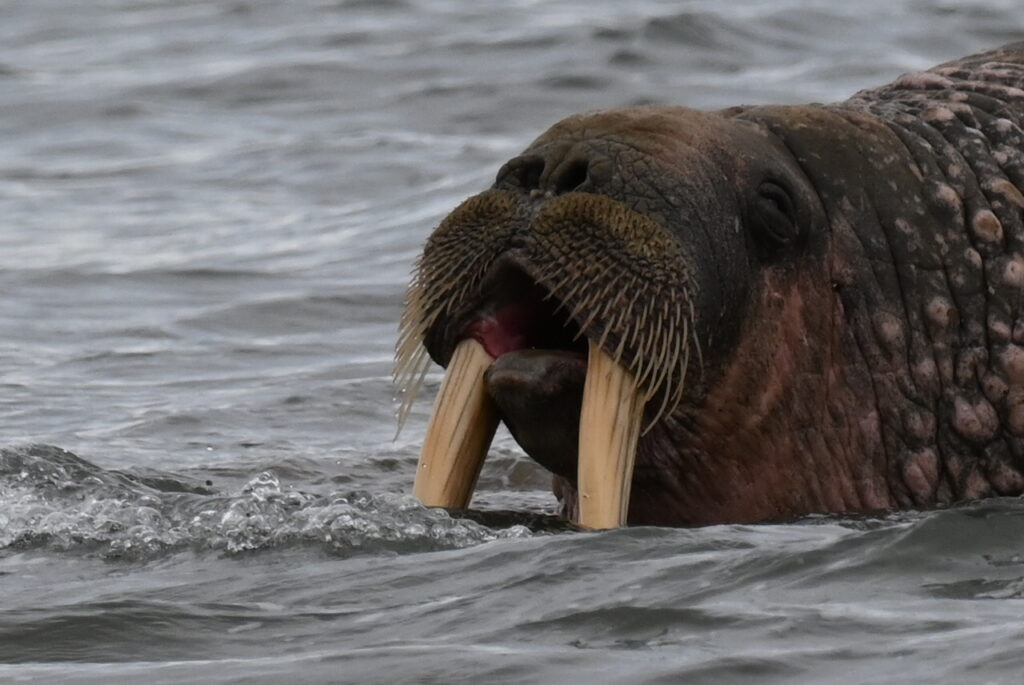
One of the youngsters seems to have some wounds in his neck. Guess it’s tough being at the bottom of the pecking order:

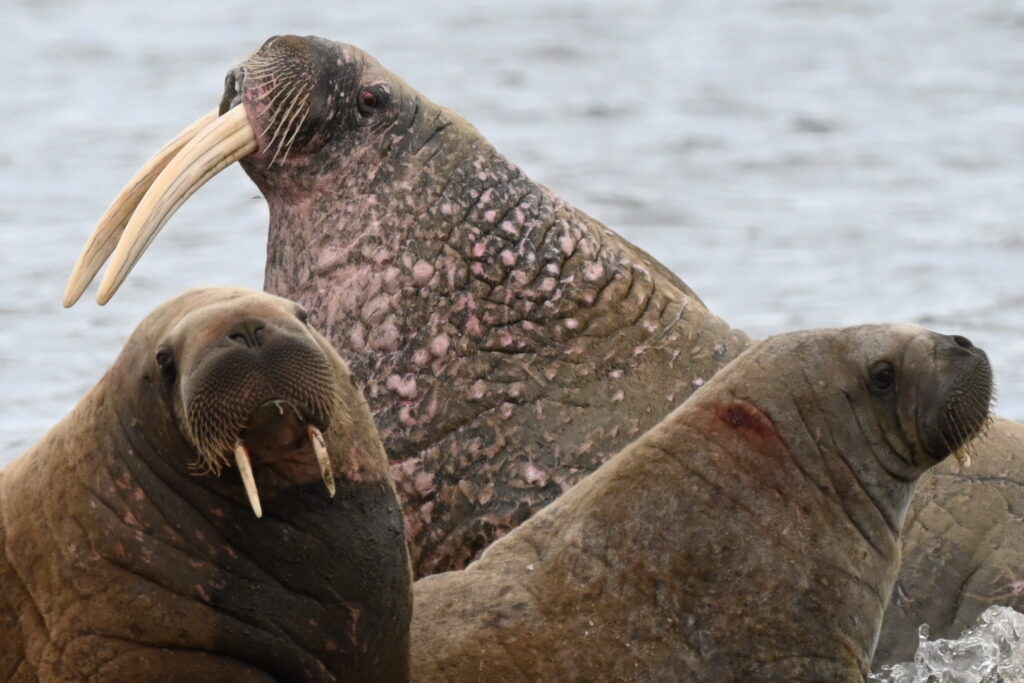
These walruses look like they’re about to drop the top album of summer ’26:
While others simply drop off to sleep:
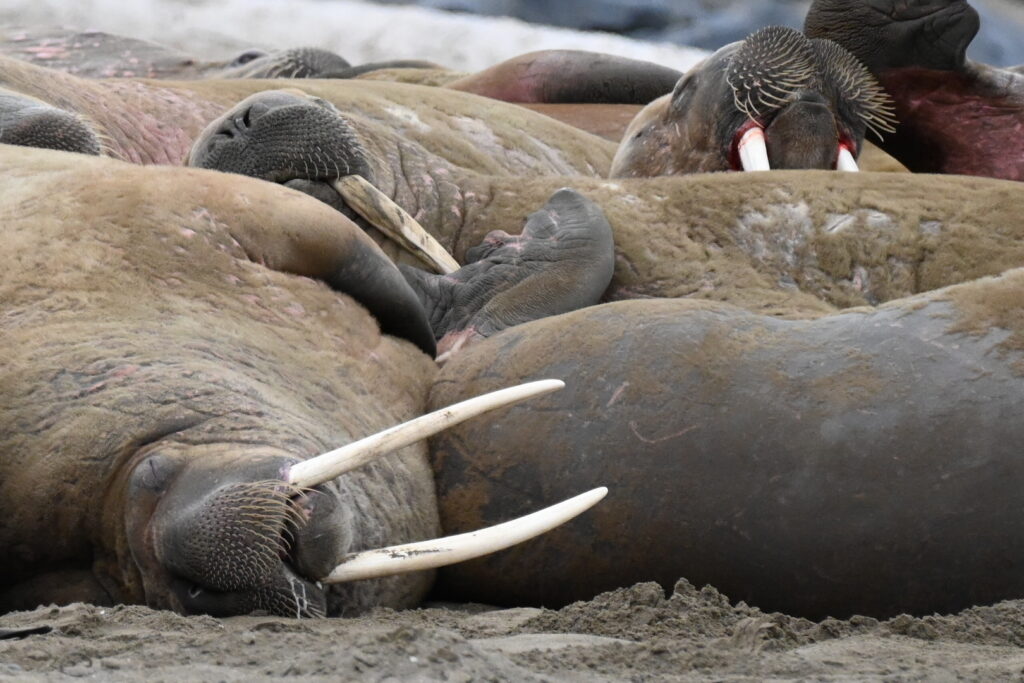
My criteria for a lens – I need to spot a walrus drooling at 70 metres
And these two look like they’re up to some shifty business:

“Hey, man – wanna buy some squid?”
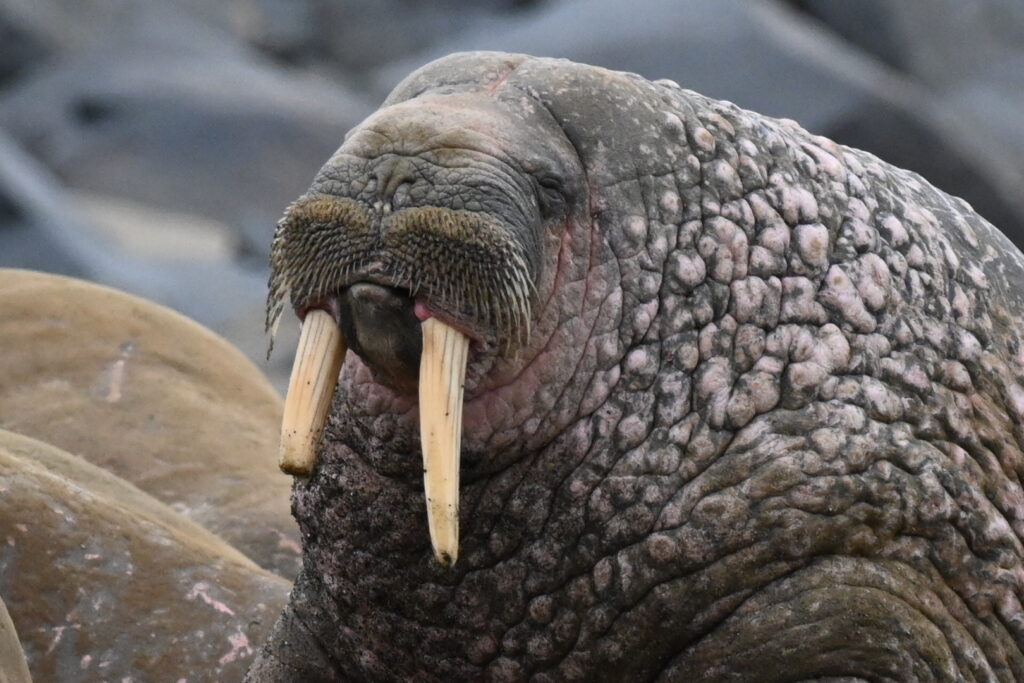
While the rest just seem like a bunch of loveable goofballs:


Our time soon comes to an end. On the way back, one of the expedition guides shows us a walrus boneyard:
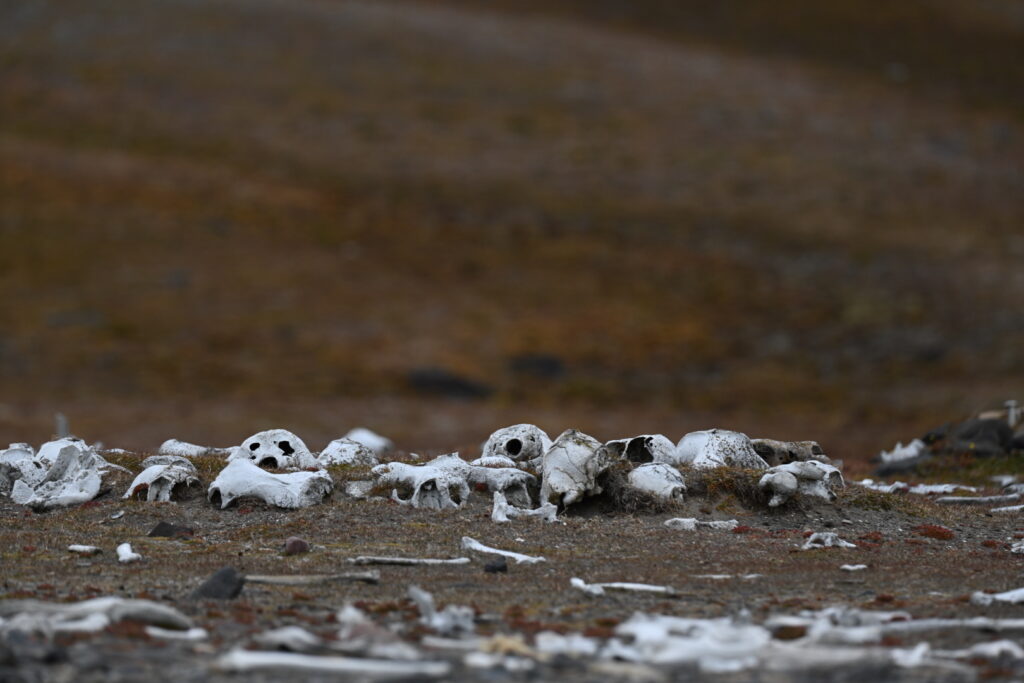
The hunters would have been mostly interested in the walrus tusks, but they would have also harvested the blubber.
We’re almost back to the zodiac when the call comes up – a polar bear has been spotted in the area, so we need to evacuate.

Everyone calmly makes their way back, and is evacuated in an orderly fashion. The polar bear is still far enough away that we’re not able to spot it before we get back to the ship.
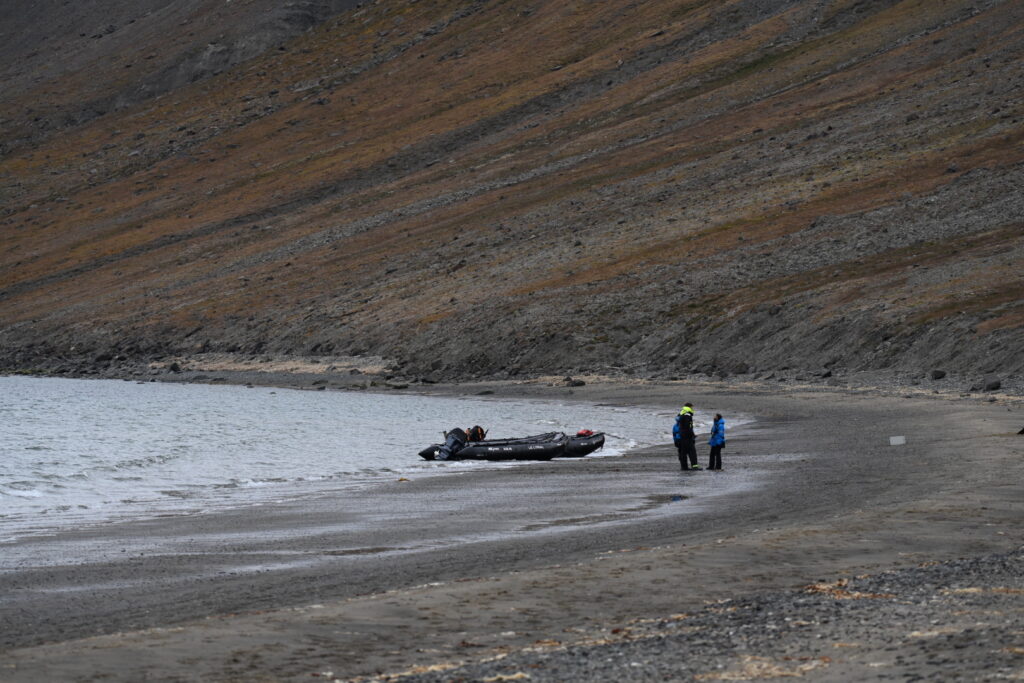
Not all of the guests were able to land, unfortunately – though the remainder also get to see the walruses, albeit from a zodiac cruise.

Back to the ship, where we soon head to the Grill for lunch. We then head to the polar bear lecture, which actually turns out to be the ‘Intro to Svalbard’ lecture – the Intro to Svalbard lecture was bumped due to the polar bear sighting this morning, so the polar bear lecture will instead be bumped to a sea day. We are definitely living up to the unofficial expedition cruise motto of semper gumby (always flexible).
Svalbard came under Norway’s authority in 1925. Part of the justification for this claim was the argument that Vikings had previously visited Svalbard, as Icelandic annals mention a land that’s 4 days sailing from Iceland that they referred to as Svalbarði (meaning cold rim). Later analysis suggests that this instead refers to eastern Greenland or Jan Mayen island.
We also learn that cats are forbidden on the island, though in the early 2000s a Russian man successfully argued that his cat Kesha was actually an Arctic fox – and since then a few other cats have been photographed in Barentsburg (the Russian outpost).
Also – while the Arctic is warming at roughly 2 – 3 times as fast as the rest of the world, Svalbard is warming close to 6 times as fast as the rest of the world.
Despite having a permanent population of fewer than 3,000 people, there are a surprisingly large number of children – almost 200. There are multiple kindergartens, plus a year-round school population that can go all the way to the end of secondary school. There is a university in Longyearbyen that runs environmental courses but at least some of your studies need to be done on the mainland.
The presenter shows a moving video of a pianist playing amidst the calving glaciers:
As well as a video of the population reacting to the reappearance of the sun in March – which I am unable to find, but in which the children are really, really excited to see the sun again after 4 months of more-or-less complete darkness. This alone is enough to make me seriously question whether I would want to live in Svalbard long term. (Though I think I could withstand at least six months of hibernating at this point – particularly after the pace of the last few days.)
This brings me to another point to consider when booking a Svalbard cruise, which is that you should be aware that Ponant’s blackout curtains are middling at best. Here is our room when all the curtains are drawn:
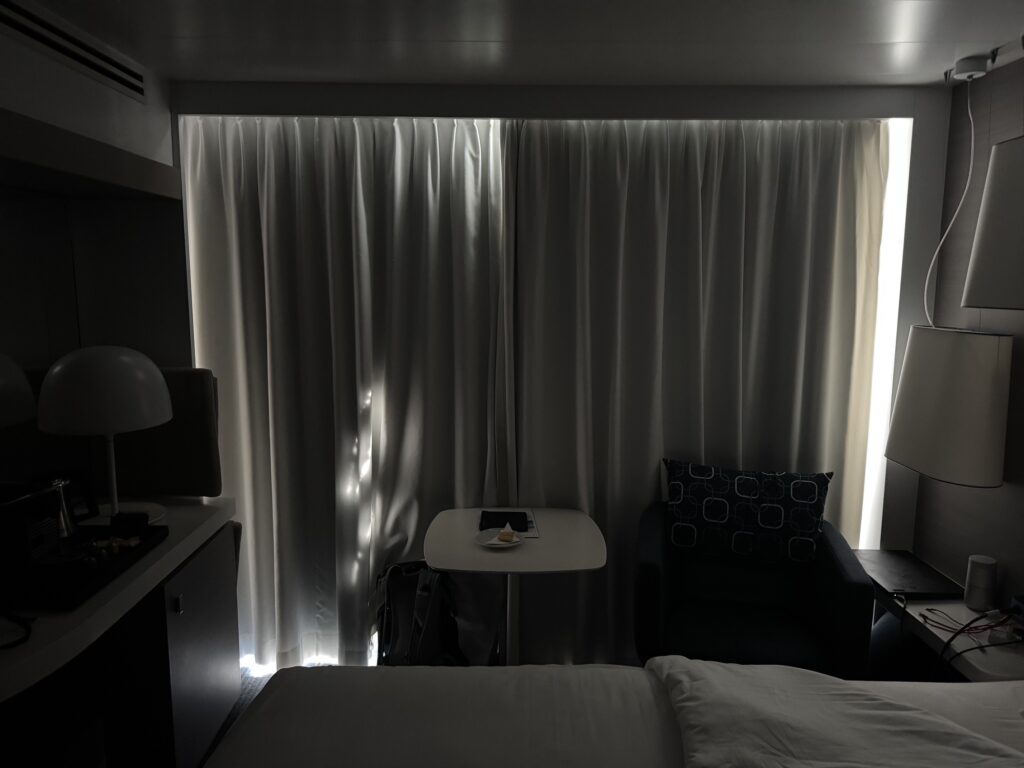
As you can see, it’s still bright enough for me to take a photograph. I’m not sure why expedition cruise ships don’t design their curtains with the understanding that they’ll be in polar climates (read: near-perpetual sunshine) almost year-round. Ah, well – it’s not too bad in our window room, and we are now all accustomed to using sleep masks. It also helps that we’re now tired enough that we could sleep on a pile of rocks!
The schedule change has thrown everything off, but the crew has adapted admirably. Our last expedition briefing for Svalbard is scheduled for mid-afternoon:
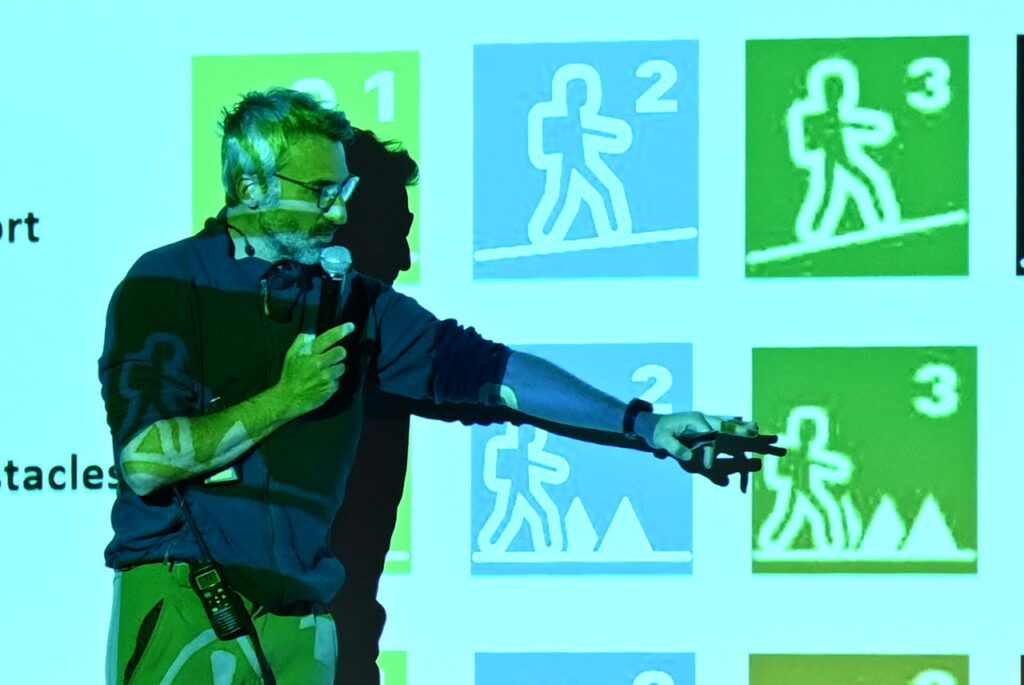
Here we learn that we will be landing at Samarinbreen glacier tomorrow, and that we should have the chance to scale (hike) a portion of it. What a swan song to a truly spectacular stretch in Svalbard!
Our landing isn’t until later in the evening, but it gives us the chance to stop in for tea time:

It’s American tea today, which means that there are cupcakes and lemon cheesecake. I’m not sure why the cheesecake doesn’t have any kind of crust but it tastes good when spooned atop a cupcake bottom.
It’s then time for us to get ready for our late 5:55 pm departure for Sundneset, which was initially meant to be our first stop. There are some Allosaurus and Iguanodon footprints here, as well as some beautiful tundra landscapes.
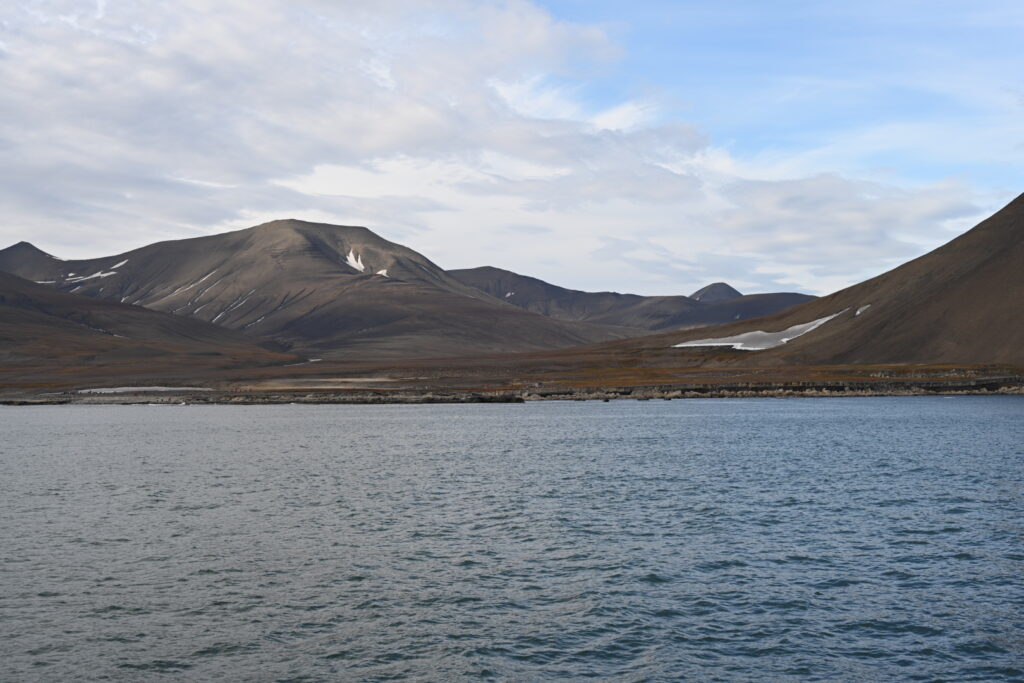

It’s one of our tougher landings – the shoreline is sloping stone, but it’s covered with slick seaweed. The expedition staff is careful and no one has any issues with getting ashore safely.
I wrestled with which lens to bring, but I eventually ended up taking my macro lens – which is well suited for taking pictures of tiny objects. And I’m very glad that I did, for not only am I able to get landscape shots like this:
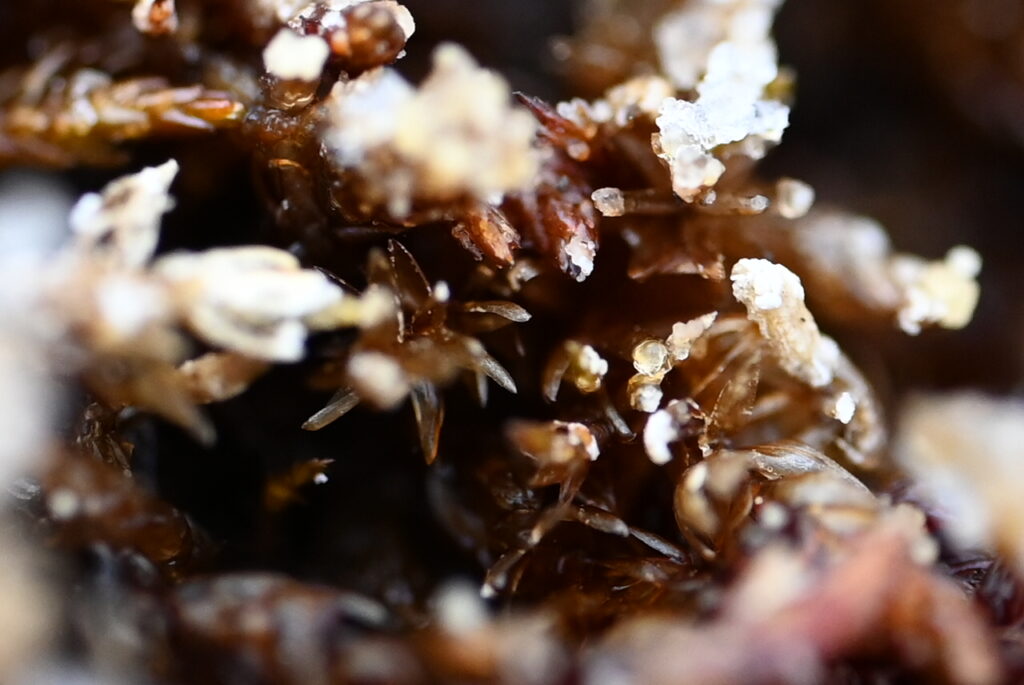
But I’m also able to get small-scale photos like this of moss:

Thanks to the Nikon’s 40 mega pixel sensor, I’m able to zoom even further:


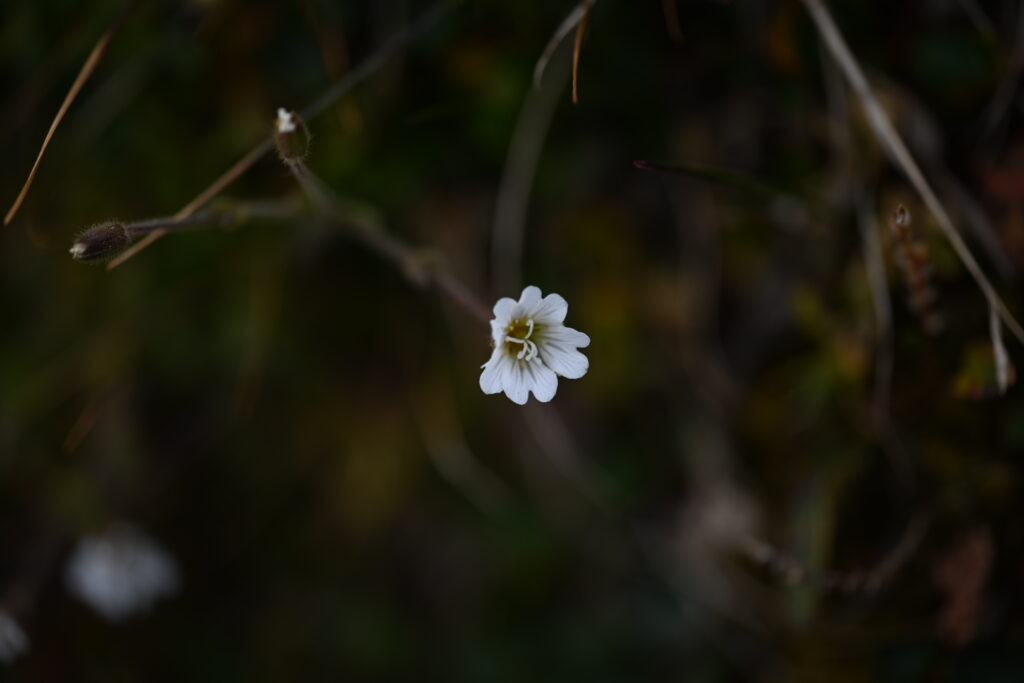
And flowers:
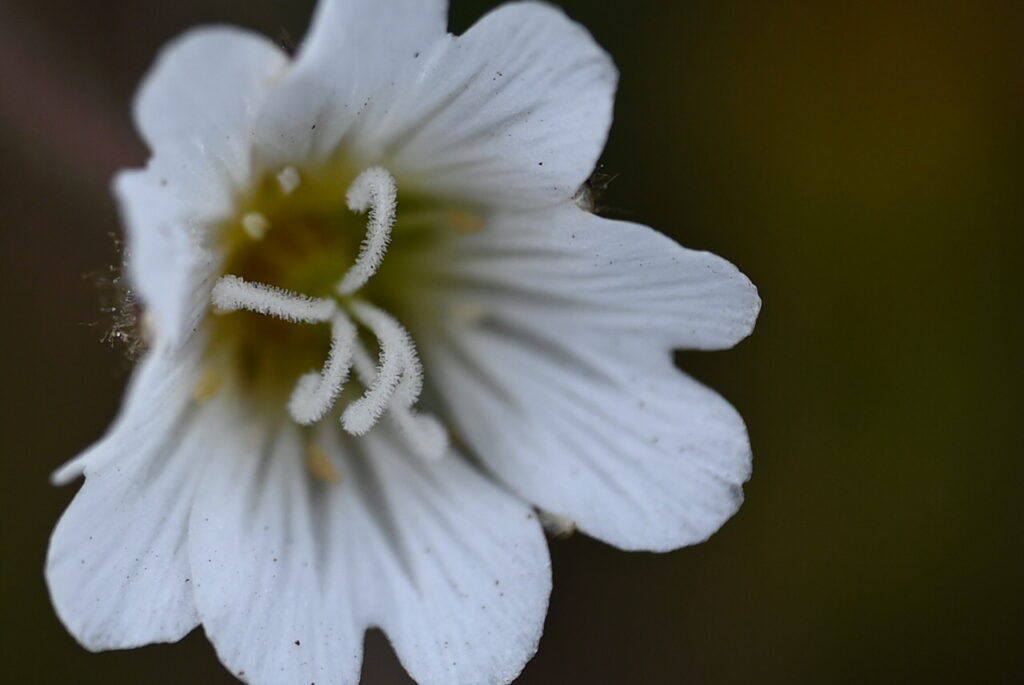
Enhance!


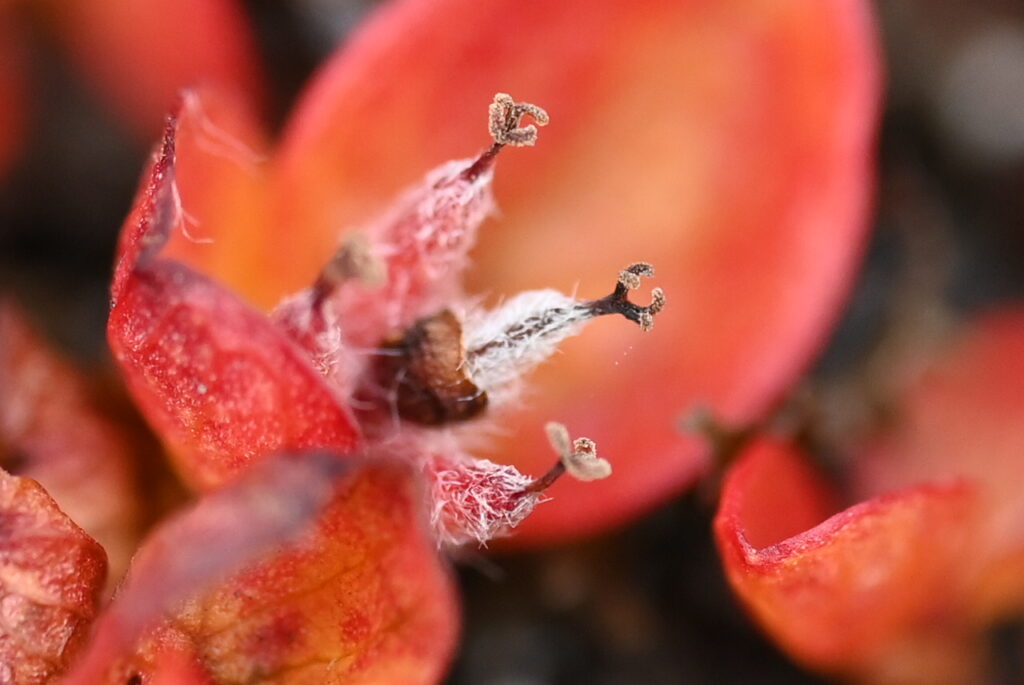
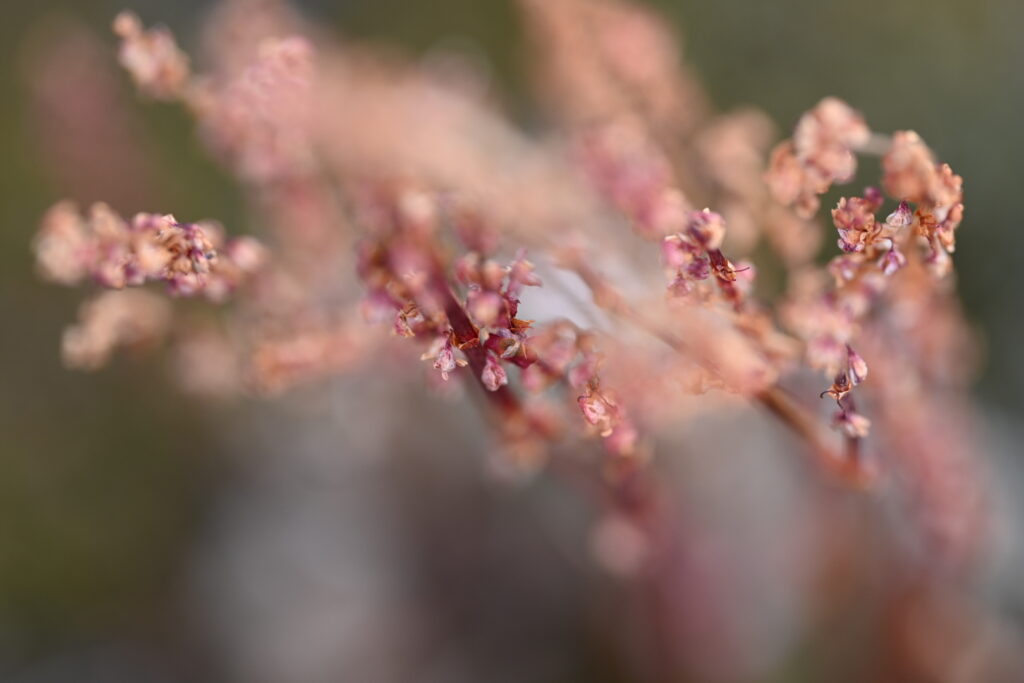

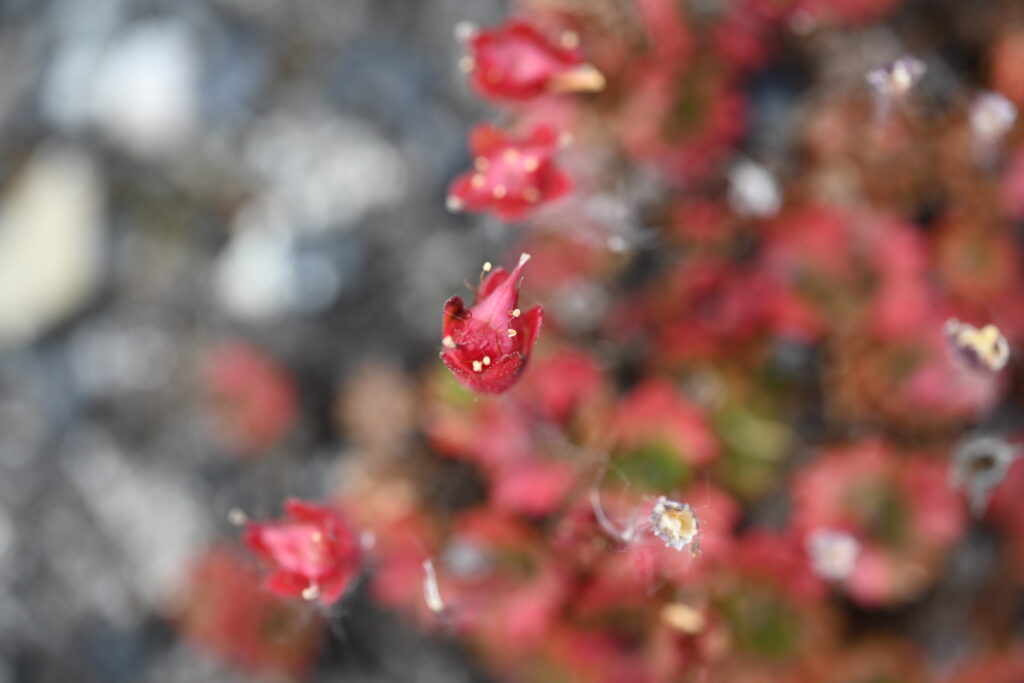

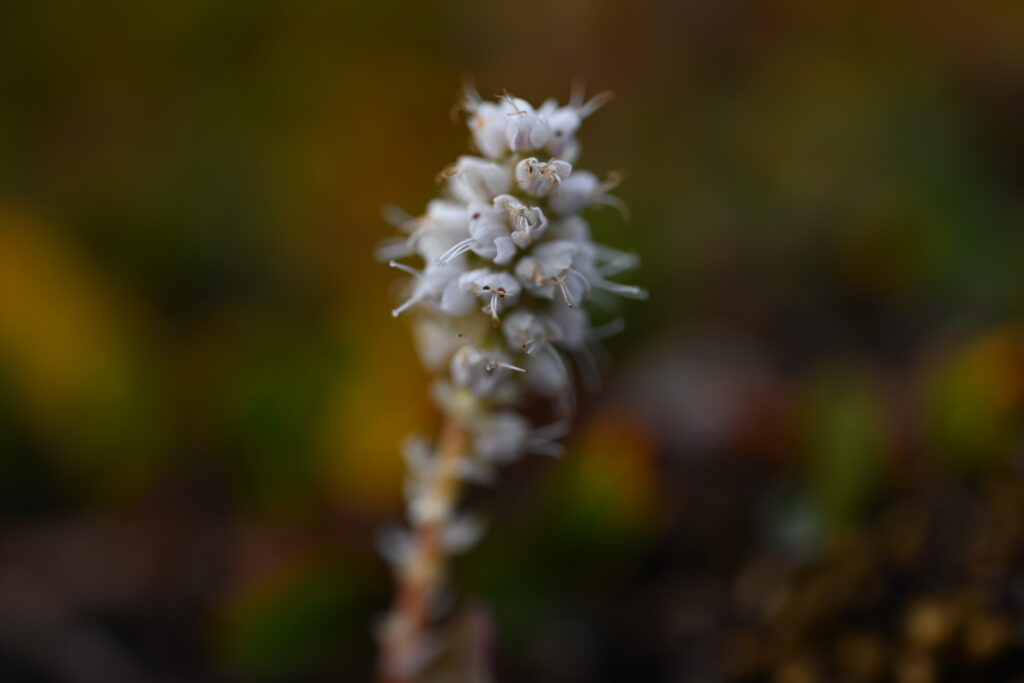


And lichen:

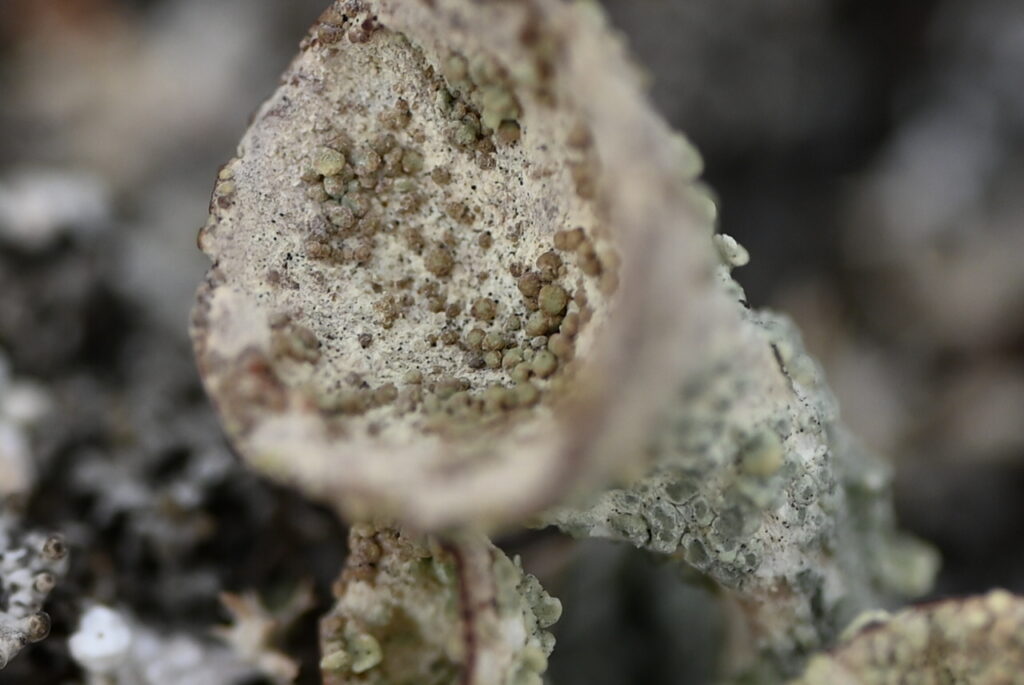
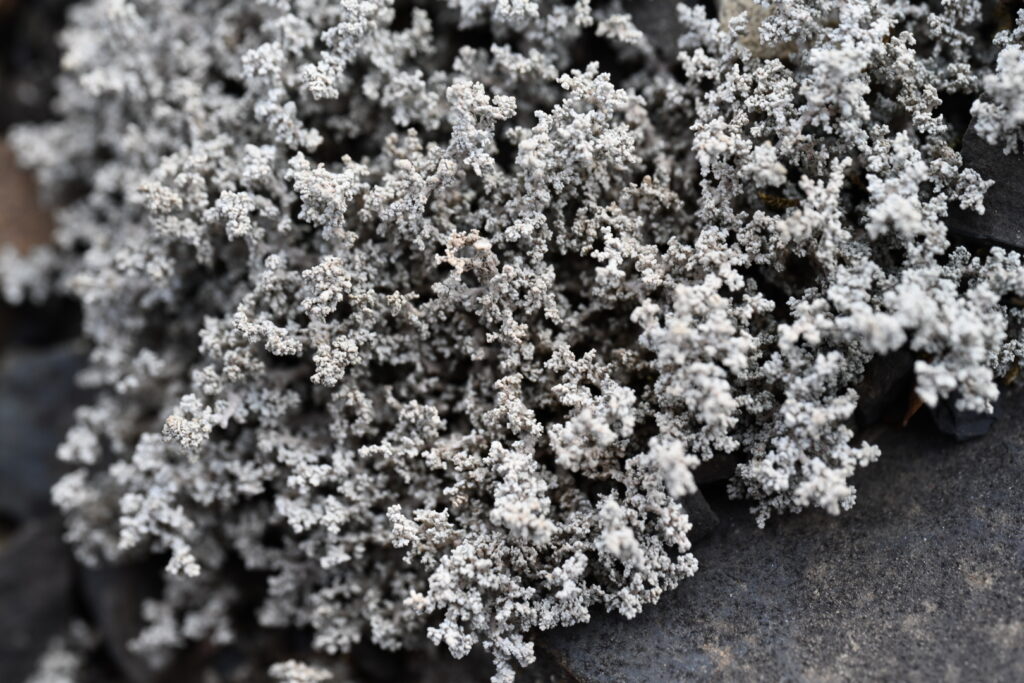


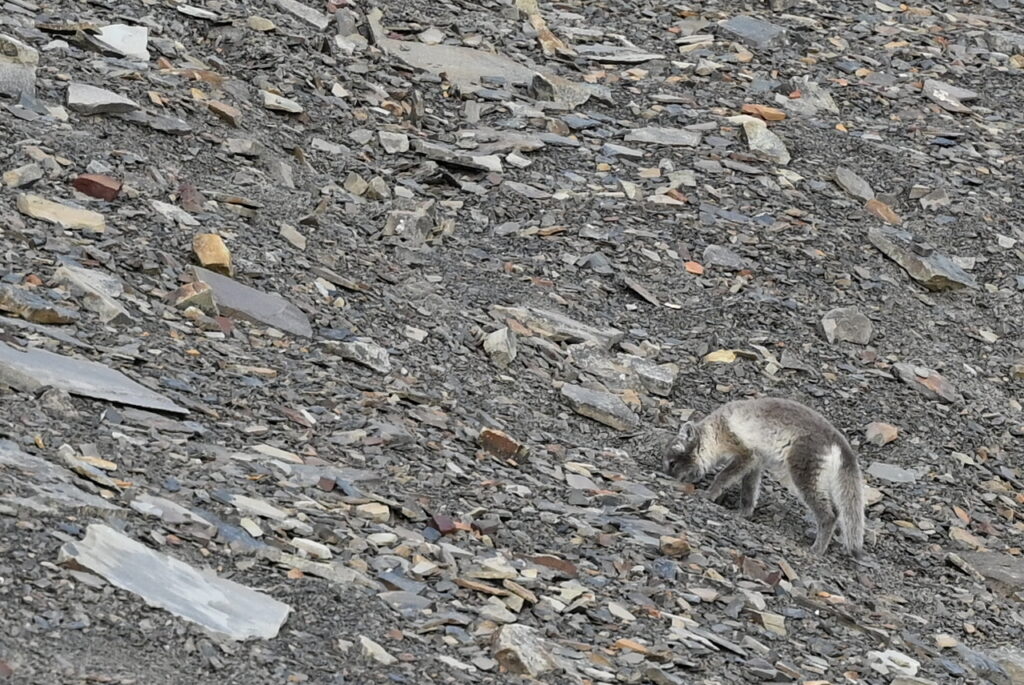
Meanwhile, my wife and daughter have encountered their own wild world, yet another close encounter with an Arctic fox:

The light is so bright that it looks like my wife pasted an Artic fox sticker overtop of her tundra photo.
But my wife does get some fabulous video:
I don’t have my long lens, but I still get a few decent shots:

I carry on exploring my miniature worlds:


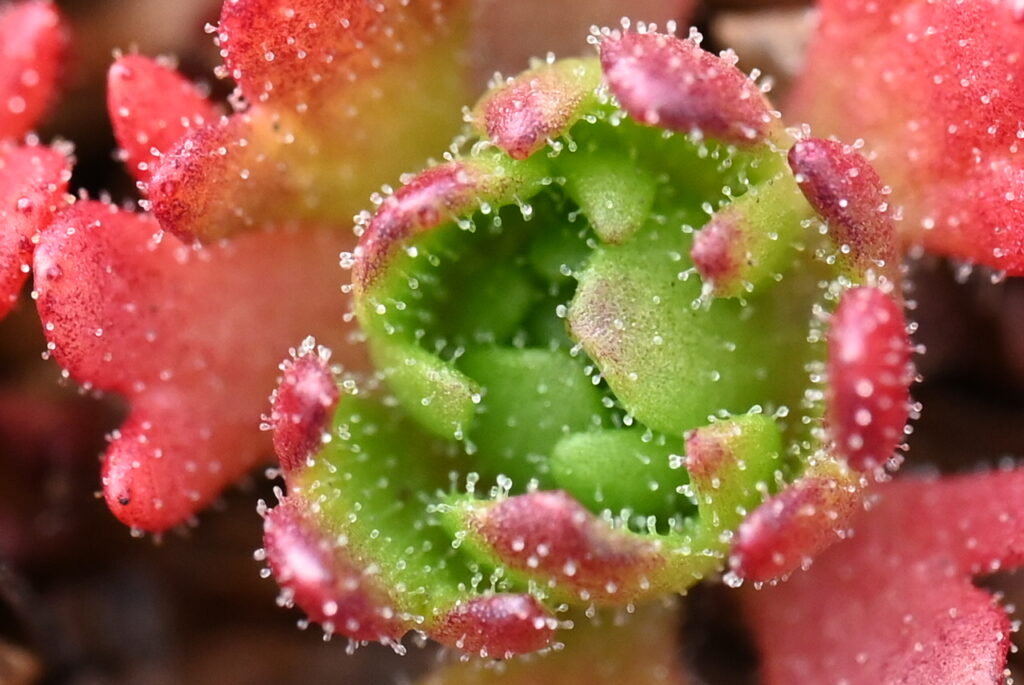

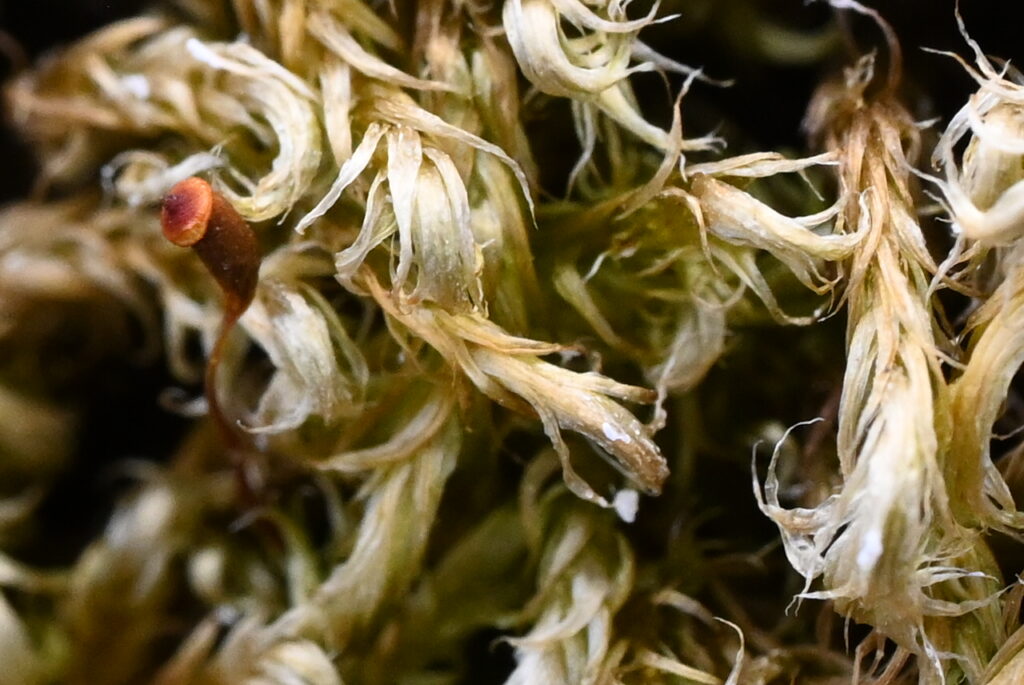
As well as the stunning landscapes:


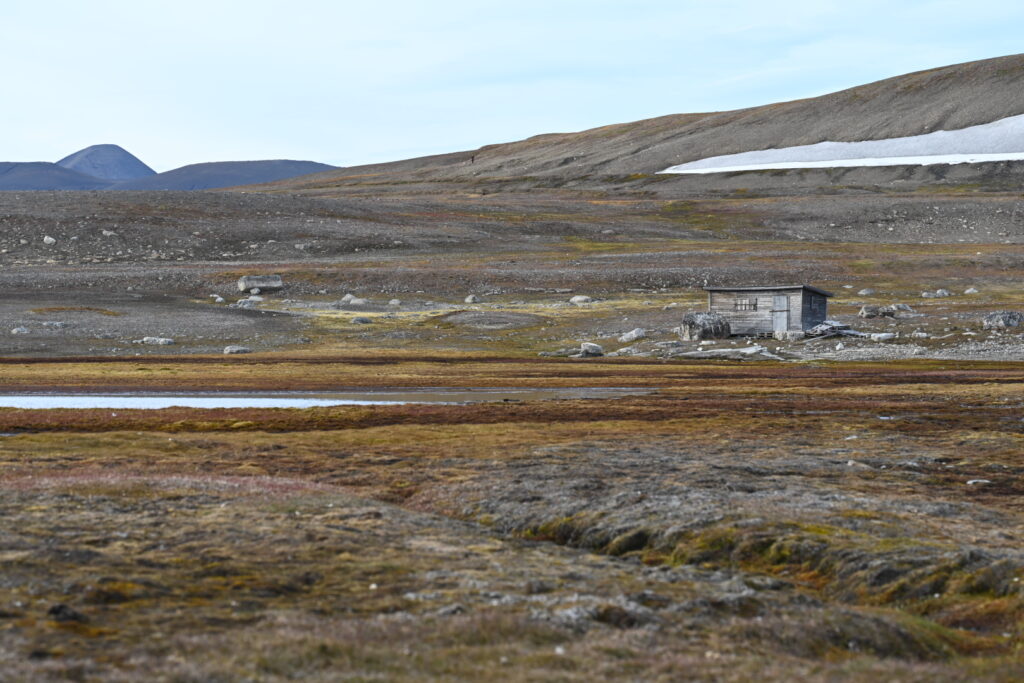

Unfortunately, one of the expedition guide has to come by and remind some of the guests to stay out of the tundra. I think we would have benefited from some flags to mark the paths – though some guests in particular are well into the tundra.
Time is tight, though I do manage to get a few shots of the (likely) Allosaurus footprints:
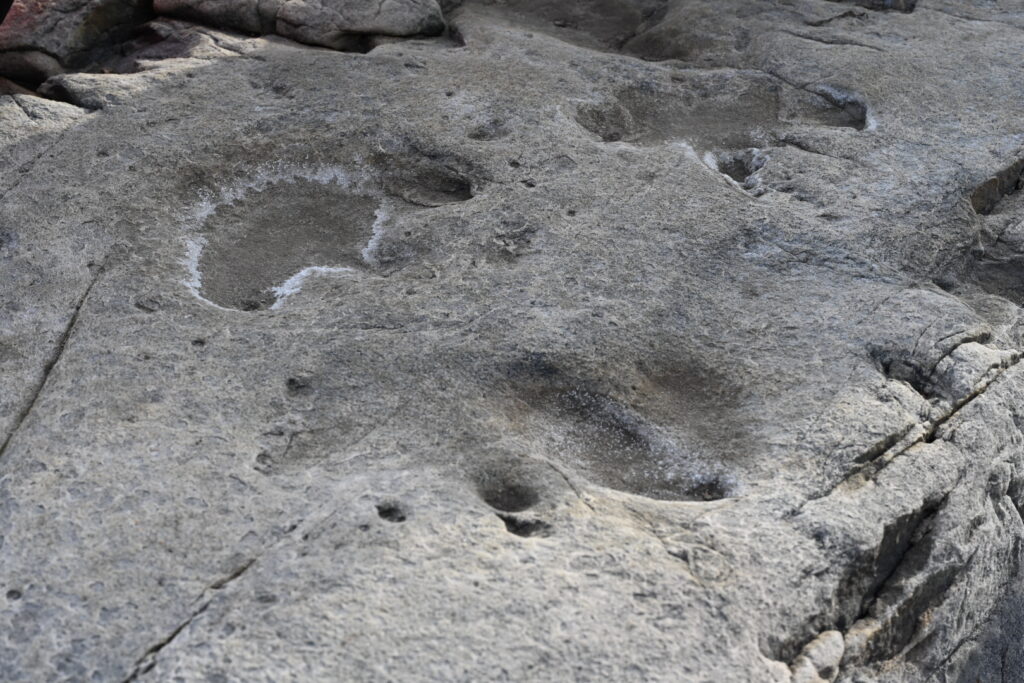
The Allosaurus footprints are 14 to 18 inches, as opposed to the much larger Iguanodon footprints
As well as some shots of what I believe to be a golden plover as I wait for the zodiac:
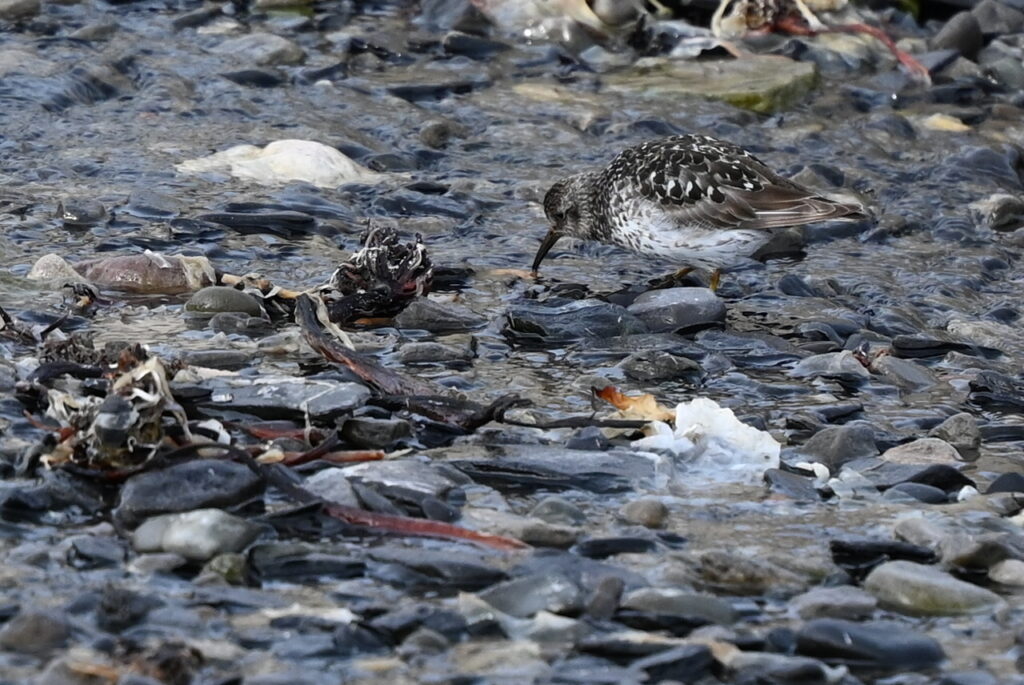
And a few more shots of the miniature world of the Svalbard tundra:
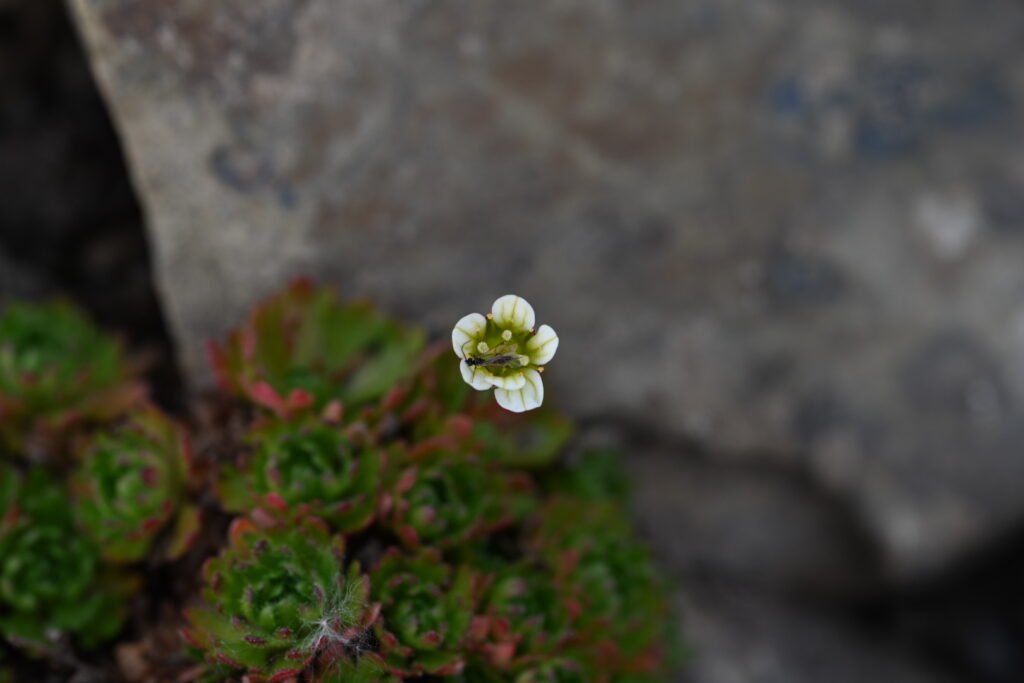
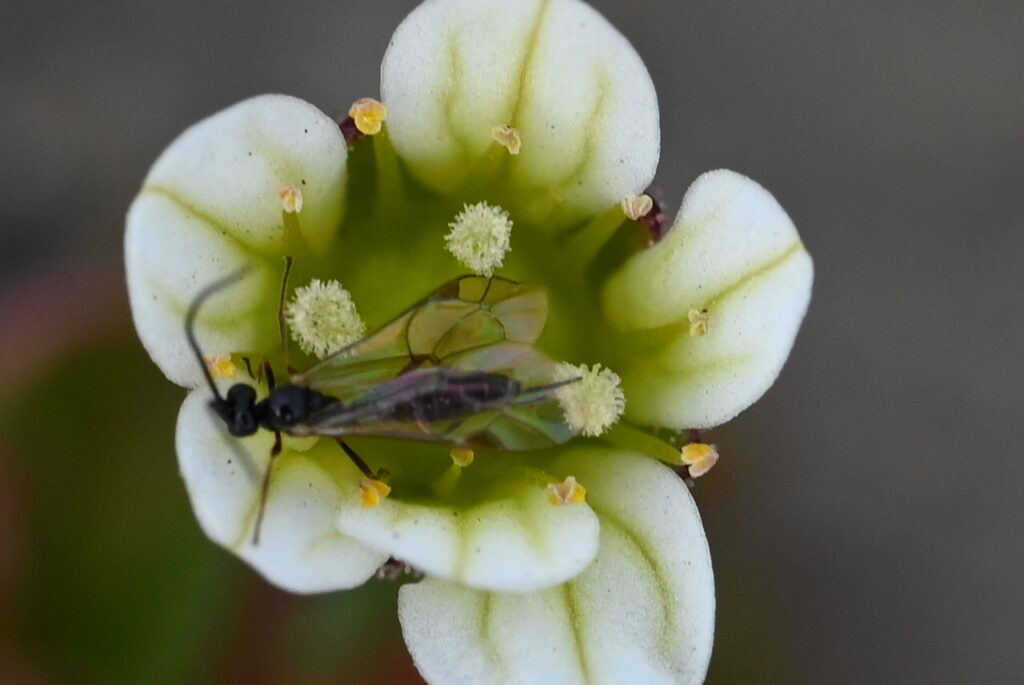
I’d wondered how these plants got pollinated…

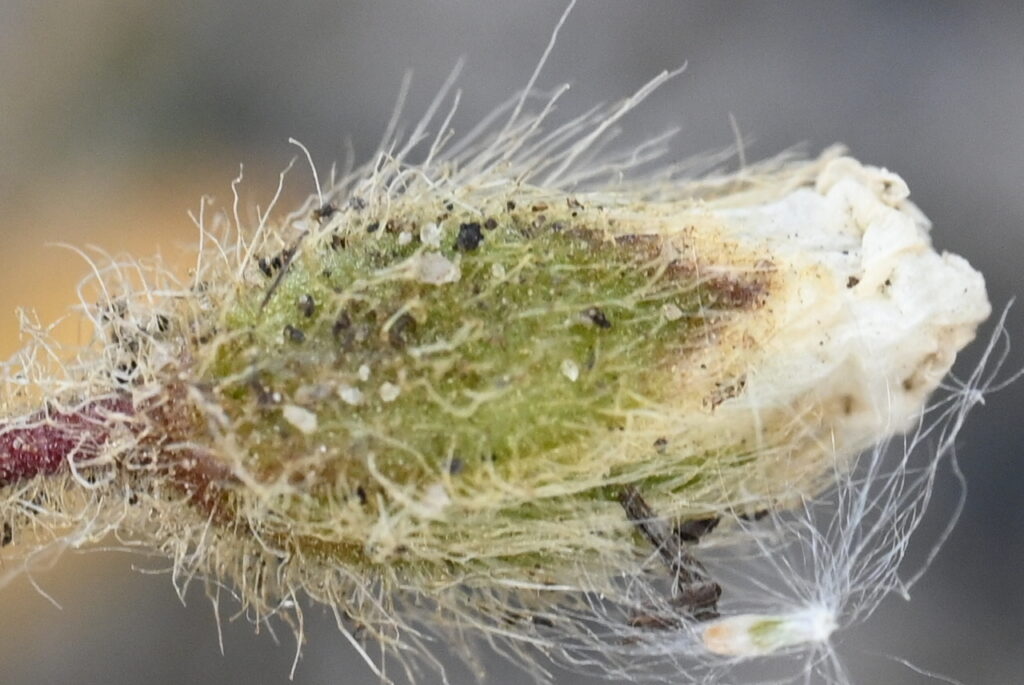
And a log next to the zodiac:


Salt crystals! Had no idea they were there until I was reviewing the photos
But soon we’re once more in the zodiac and heading back aboard.
Quick shower and change, and then off to dinner. Roast veal and scallops tonight:

It’s a spectacular meal. But not as spectacular as the scenery:

And with that done, it is most definitely time for bed.