Tasmania to Tokyo – Bali – Day 34 can be found here.
Today’s Chronicles can be found here.
We have allocated an entire morning to learning about Bali’s rich cultural and spiritual history, which is a little bit like trying to learn a foreign language during a single coffee break.
I’m afraid that this is a natural consequence of this kind of a whirlwind tour in which one is spying quokkas one moment and studying temples the next. It’s like trying to eat a well-balanced meal by stuffing one’s face with canapes. Everything is ‘just a taste’, and it makes us long for more time in a single locale.
One day, we suppose. Until then hurry up, hurry up, hurry up.
And – up at 6:15 am this morning. The reality of work has intruded into our cozy bubble, and I need to make a call to Canada. This has proven more challenging than expected due to scheduling conflicts – but it’s gotten slightly easier as we’ve moved west. 7 am our time will be 3 pm in Vancouver, so it looks like the stars have finally aligned.
La Terrazza doesn’t open until 7 am this morning and we have to be walking out the door at 7:30 am, so we’ve elected for room service instead. I attempt to break the Curse of the Ever-Stale Bread by ordering pumpernickel.
This is what I get:
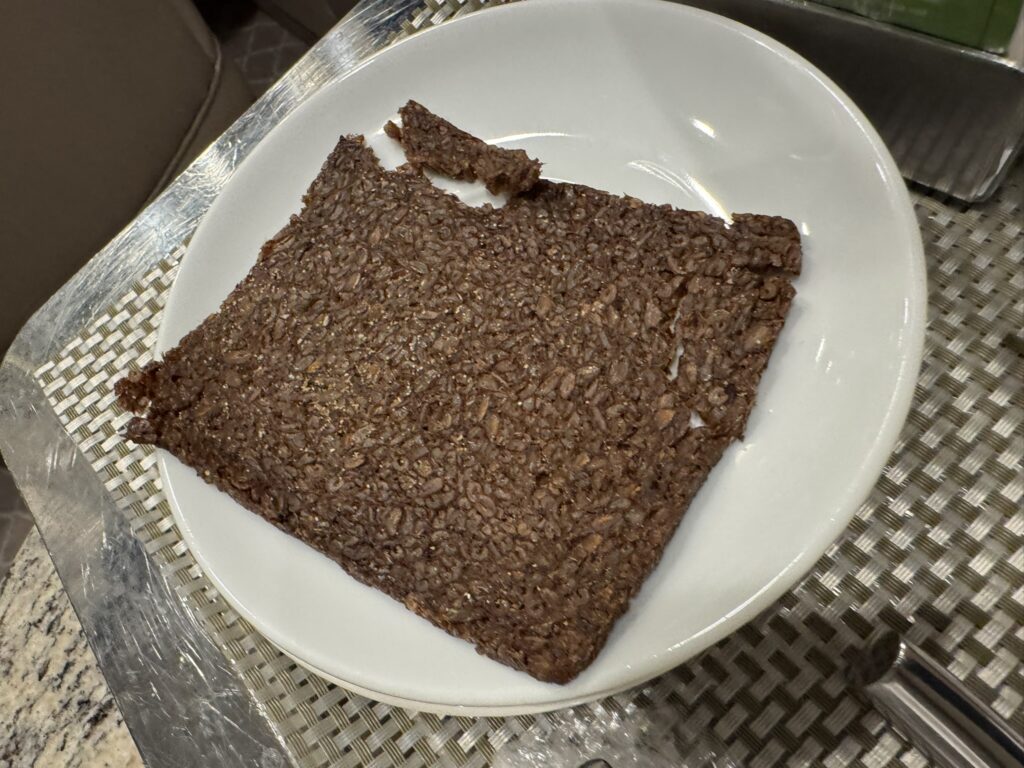
Hmm – back to the drawing board
The ship’s internet holds long enough for my video call, and then we pack up and head out. We bring rain coats in the event of sudden showers, but otherwise it’s our standard loadout – water, cameras, sunglasses, hats, sunscreen, and quiet voxes.
We leave the cruise terminal to find an absolutely massive array of identical long, narrow buses. We board Bus 10 and are on our way.
Our first stop is the Satya Dharma Temple, just on the outskirts of Benoa. It’s a Chinese temple, the main deity of which is Tian Shang Sheng Mu – the goddess with the ability to calm the sea. The god Nezha – the god of protection – also features prominently.
We initially find our guide difficult to understand – though to be fair, we are not fans of guided tours unless done in extremely small groups. The quiet vox adds an extra wrinkle, layering the guide’s voice with static, fading in and out as we move further away.
We soon elect to remove our quiet voxes and soak in the site on our own.
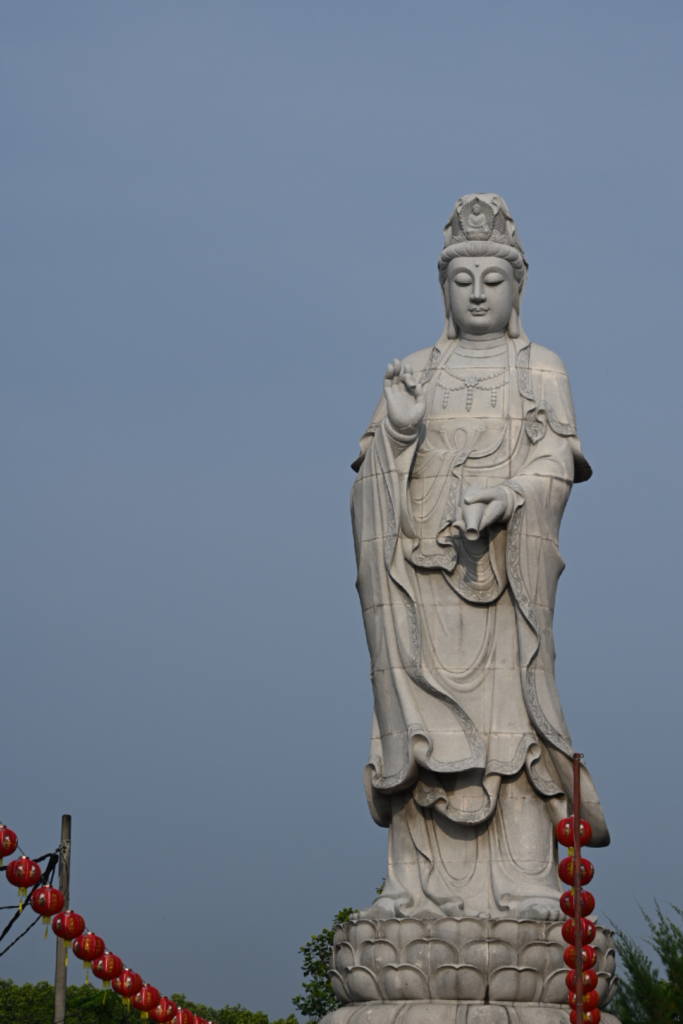
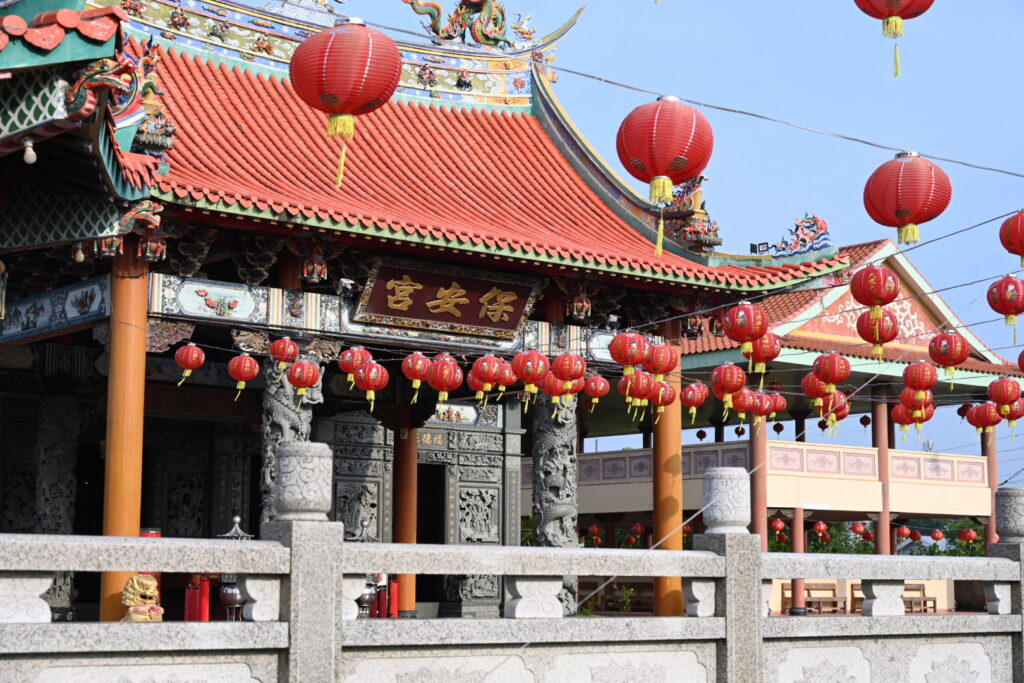
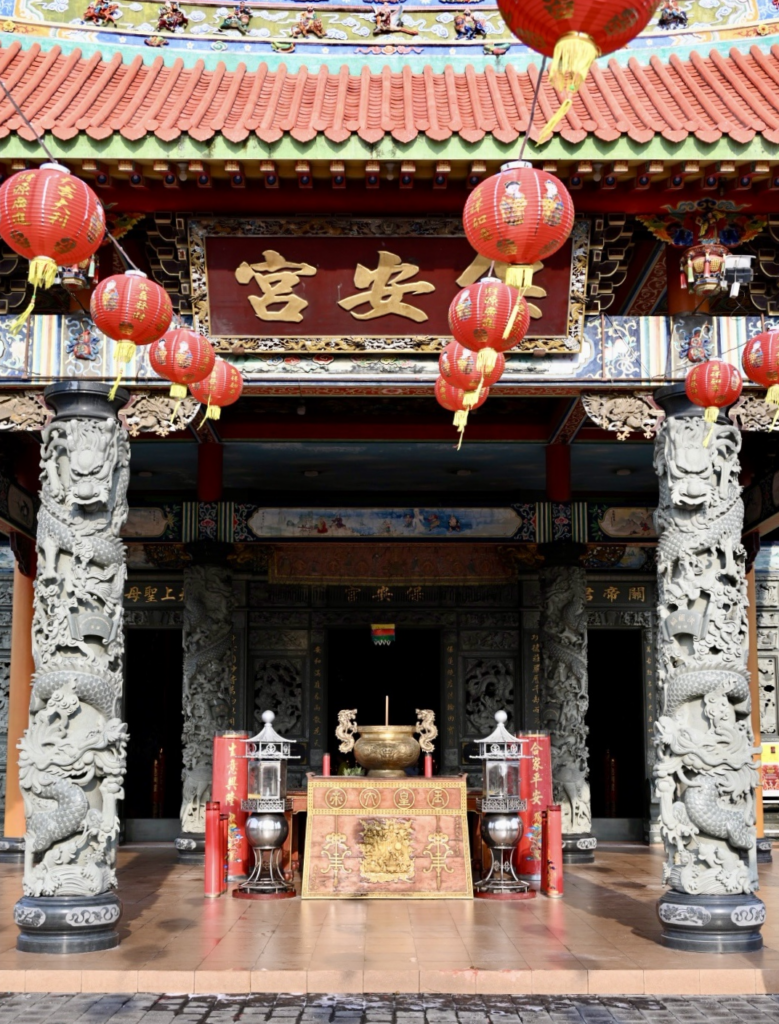
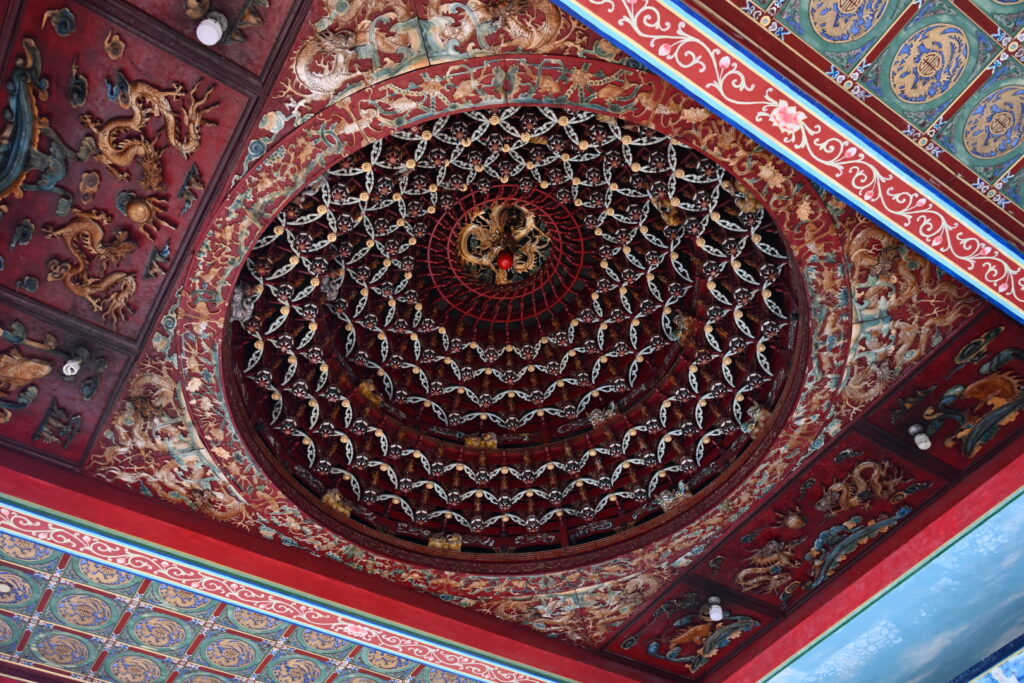
There are worshippers at the site, lighting incense. We do our utmost to stay out of their way and observe at a respectful distance.
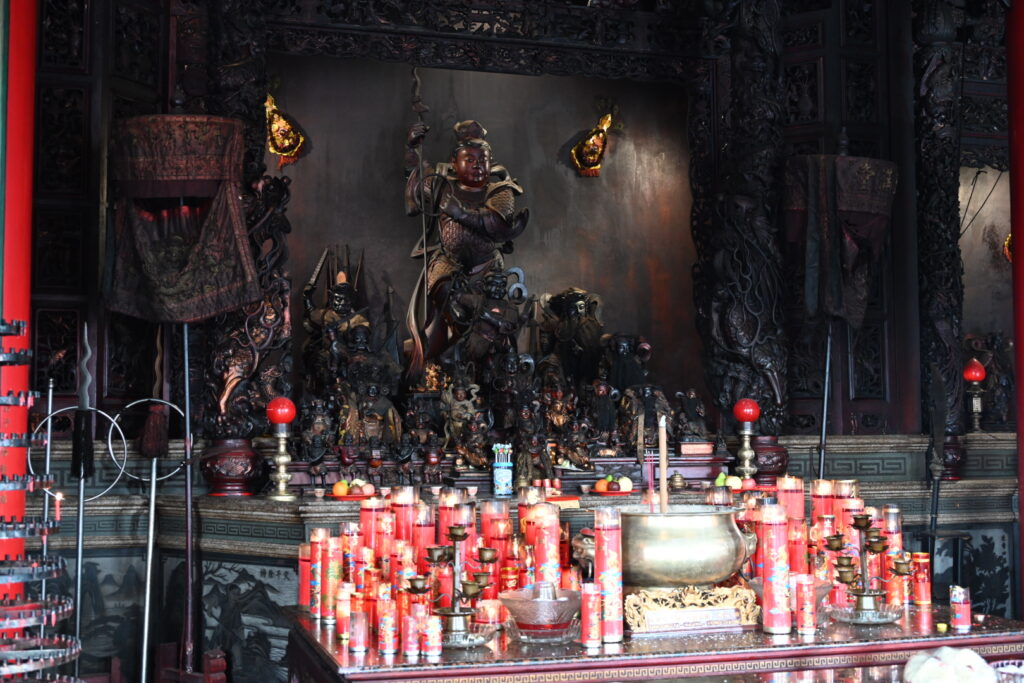
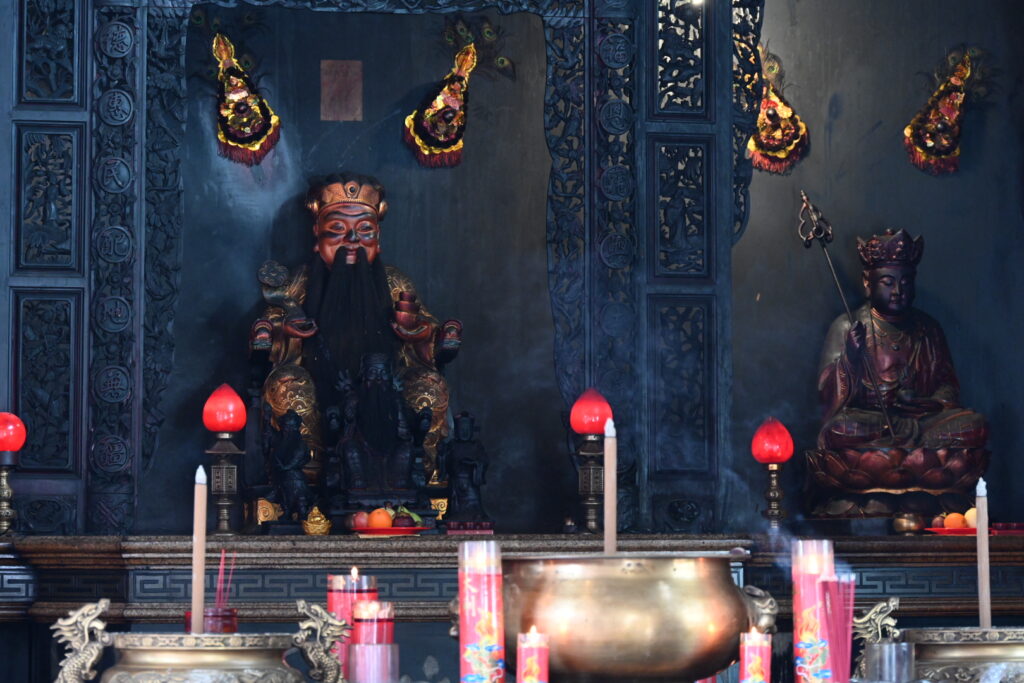
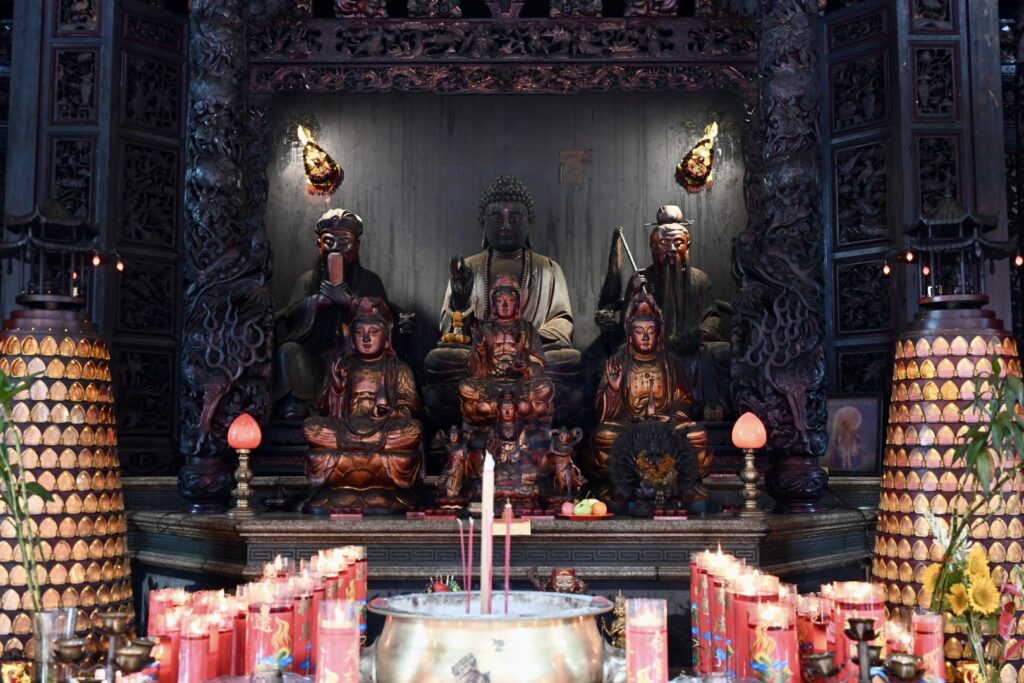
We have perhaps 30 minutes here before we reboard the bus. We make the most of it.
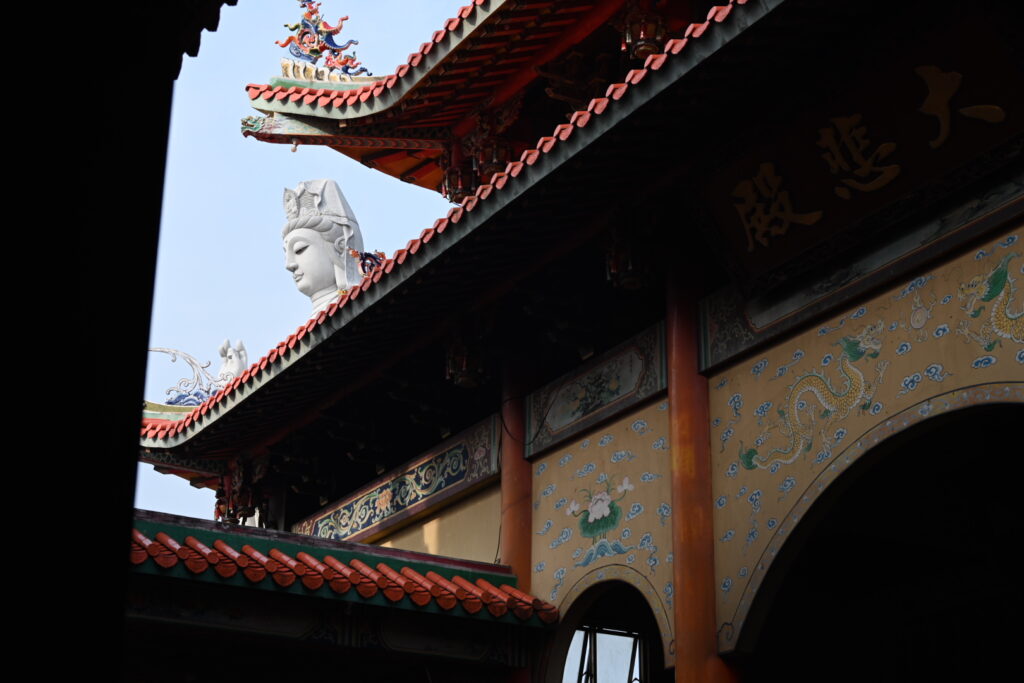
It’s perhaps an hour’s drive to the next site, and it’s here where our guide really starts to shine. He provides us with detailed insights into daily Balinese life.
We learn that offerings are a complex affair in Bali. Different coloured offerings are made daily to different gods, and the colours correspond to compass orientation – white to east, red to south, yellow to west, and blue or green to the north. Our guide grows frangipani flowers and does a brisk business selling them for offerings. Businesses also sell young coconut leaves used to package the offerings.
Offerings are generally smaller on a day-to-day basis, but increase in size closer to the full moon. They can cost upwards of US$30 per month per family, making them a major expense for some families.
He also notes that hotel owners will generally construct a temple as part of the construction process – not for themselves, but for their workers. Workers will often make offerings for their own success and for the success of the business as a whole. Such offerings would be made to Bhatara Rambut Sedana, the goddess of prosperity. Though those constructing new buildings should be aware that their height is limited to 15 metres (5 stories) so that it does not exceed the height of the coconut tree.
Our guide also describes the Balinese diet. Rice is eaten 3 to 4 times a day, and vegetables and fish are also picked up from daily visits to the traditional market. Rice is such a staple that, were he to eat only noodles and be asked if he had eaten yet that day, he would reply that he had not yet eaten.
He also describes the local community / government system of Banjar, which men join after marriage. The Banjar essentially serves as the town council. It also organizes major ceremonies including weddings, cremations, festivals and family celebrations. It makes important community decisions, and handles taxation and the spending of community money for ceremonies and equipment needs. The Banjars also look after the maintenance of the temples, oversee land sales, and help promote a sense of community. And they have their own orchestra and dancing groups.
We then arrive at the Batuan Temple. Our guide says that we may need to put on a sarong and scarf or just a scarf depending on who is managing the site that day – he then looks around at the assortment of shorts that do not cover the men’s knees and decides that we will definitely need to be wearing sarongs that day. Ah, well. The four of us are all wearing long pants with shoulders and arms fully covered, but I understand the need to be thorough.
We only have 35 minutes here, so we are eager to get underway – but our guide still takes a few minutes to show an offering in detail. The delay seems interminable at the time, but it’s not a large site and it was interesting to see an example of an offering.
It also lets us take a few photos on this side of the roadway:
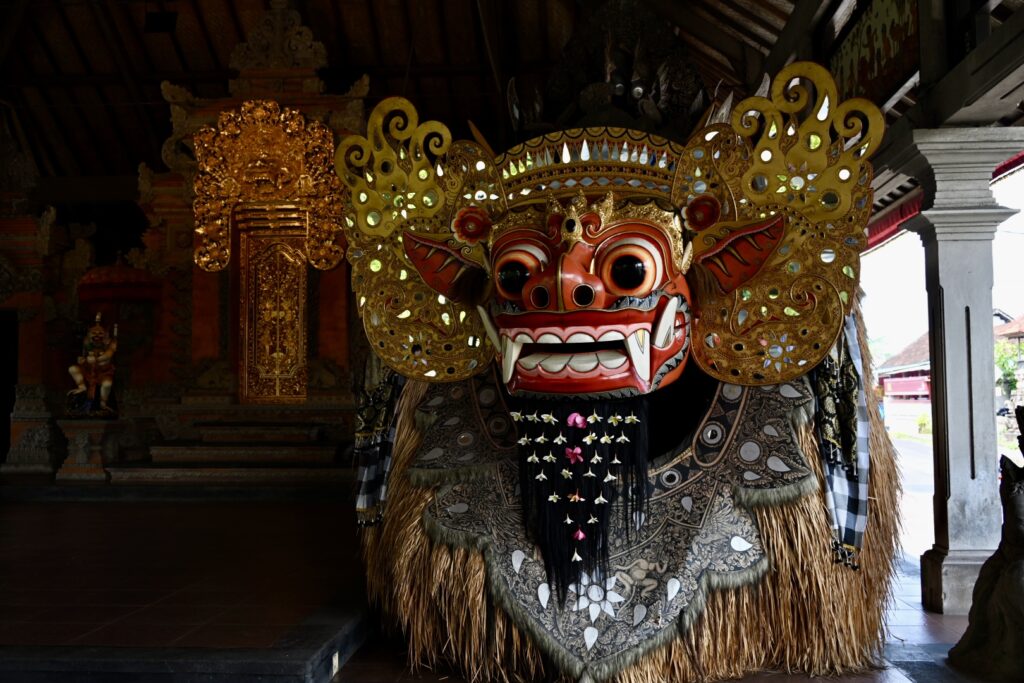
We then cross the busy road as a group. Thankfully there are staff on site to assist with the road crossing, as the traffic is brisk and seemingly endless.
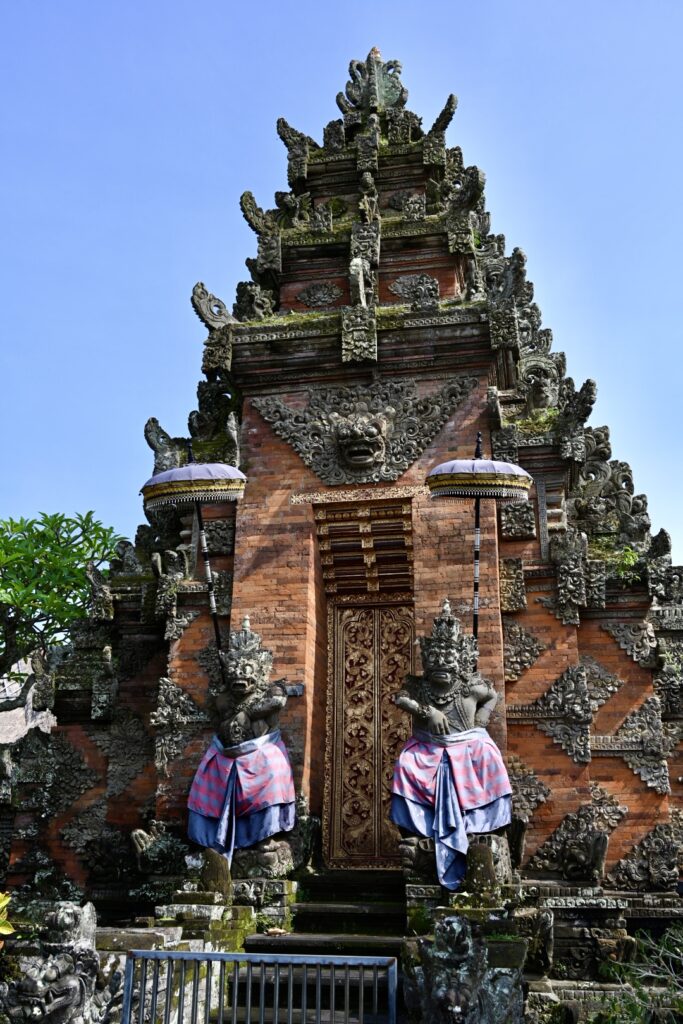
We start with the quiet voxes but soon remove them and take in the site on our own.
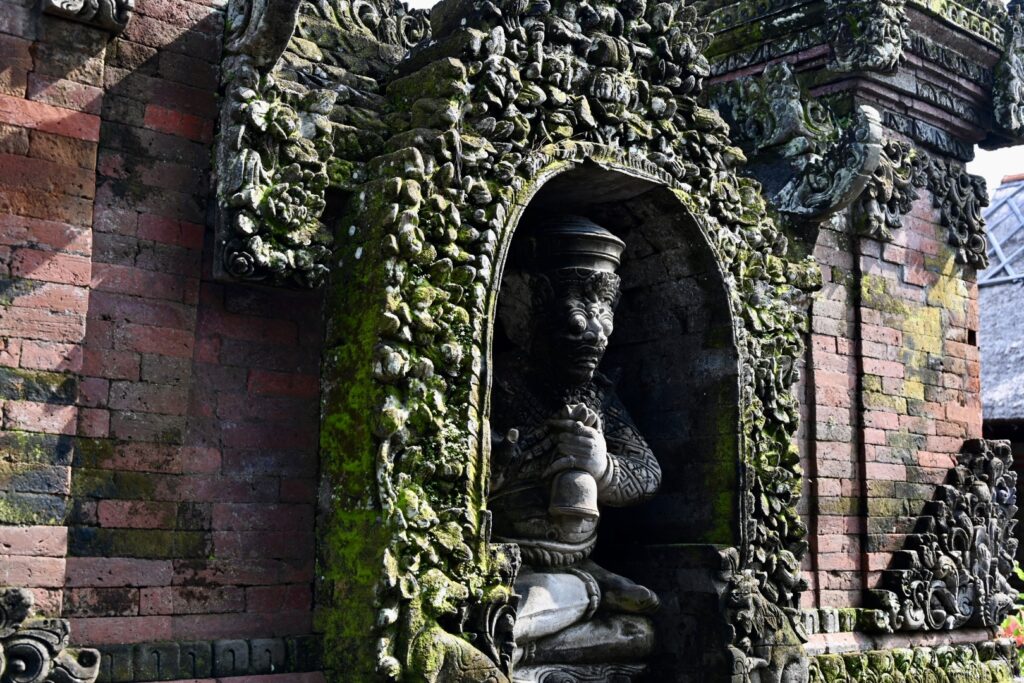
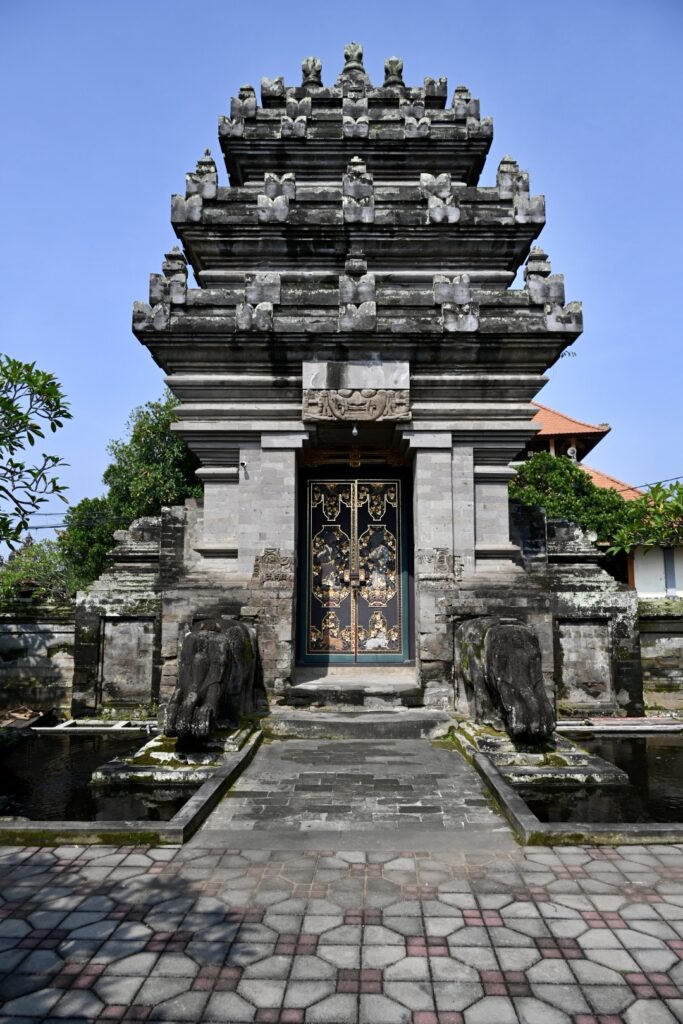
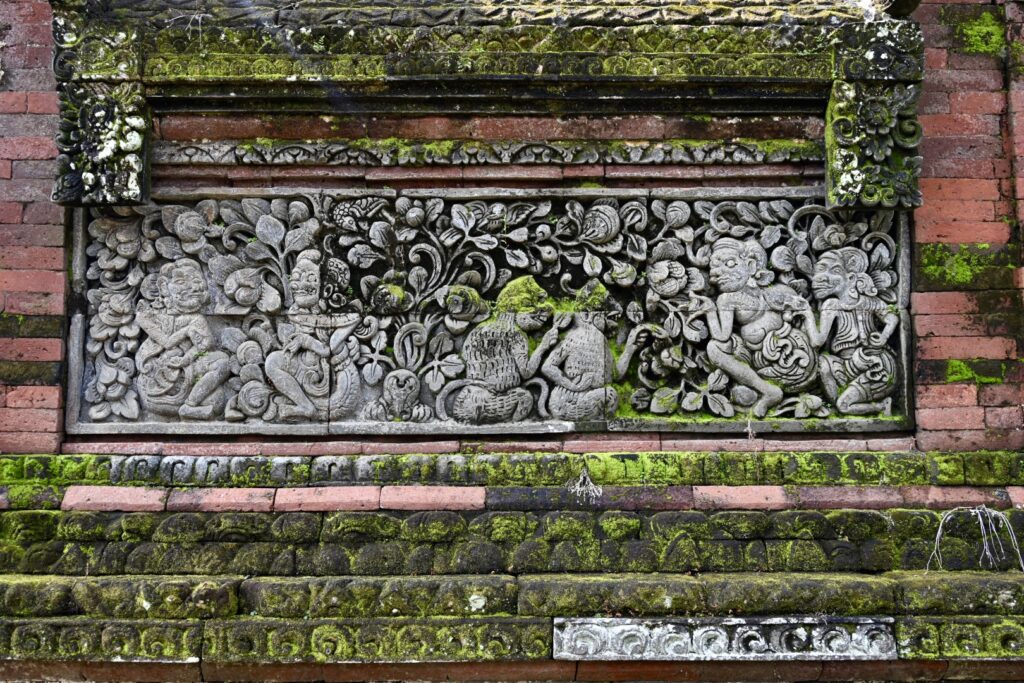
Batuan Temple is a 1,000 year old Hindu temple complex in Batuan Village. It’s dedicated primarily to the worship of Vishnu, but the other primary Hindu deities – Brahma and Shiva – are also featured.
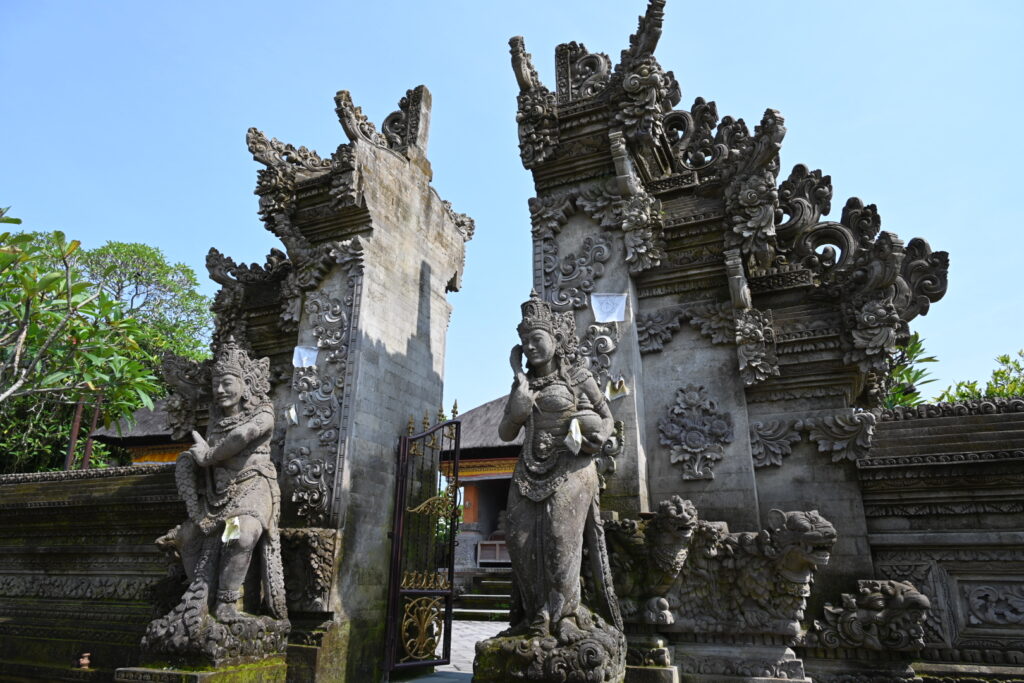
The temple is known for its intricate stone carvings.
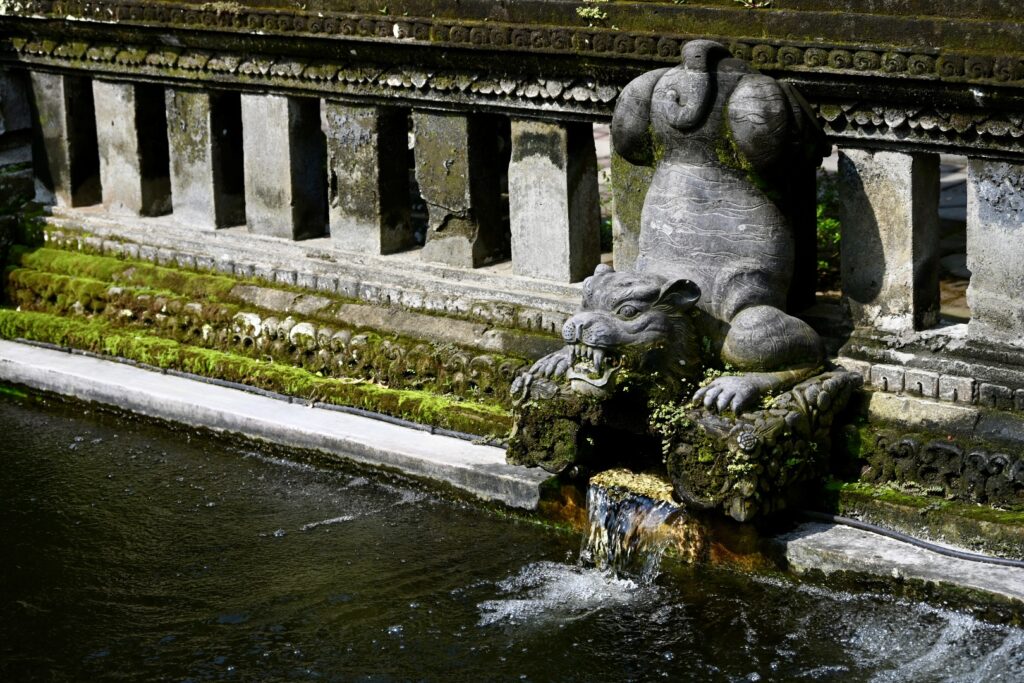
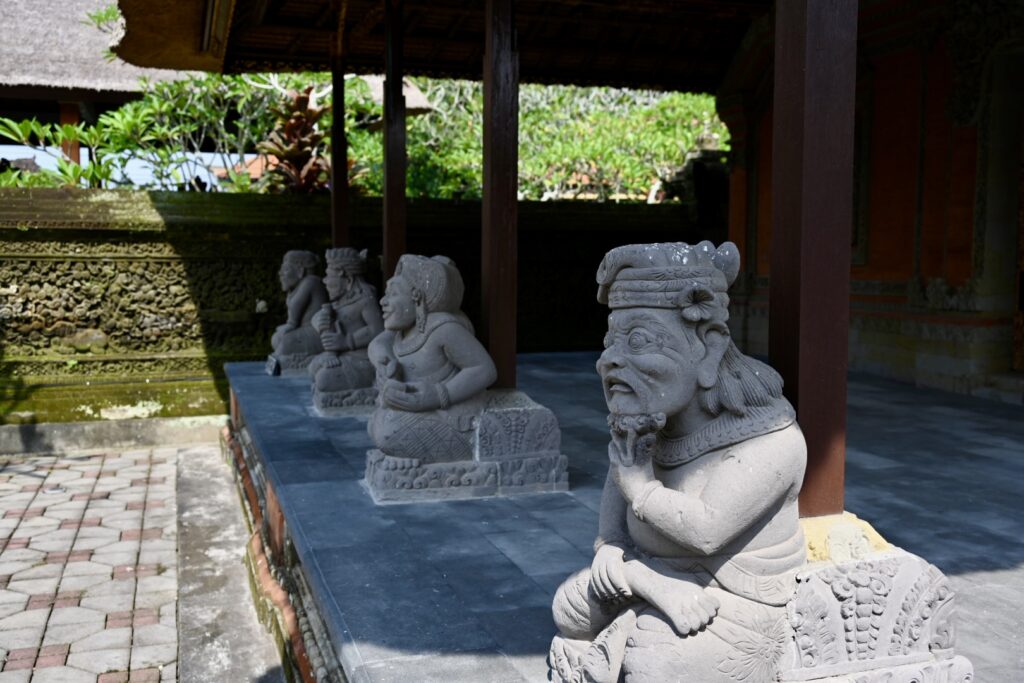
The complex was restored in 1992, though restoration efforts continue to this day – indeed there were craftsmen carving stonework while we were there. I hadn’t wanted to impose, though it turns out they were quite happy to pose for pictures. Ah, well – next time.
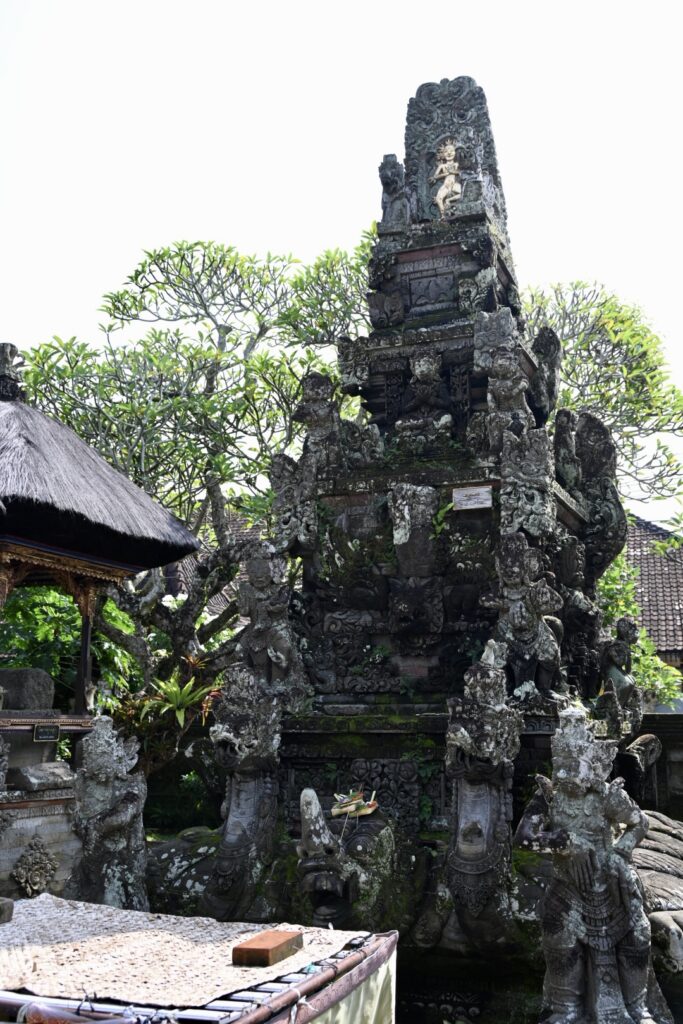
I like that we’re visiting a village temple – small and intimate, as opposed to a vast and sprawling complex. It should prove an interesting contrast to our upcoming visit to Angkor Wat.
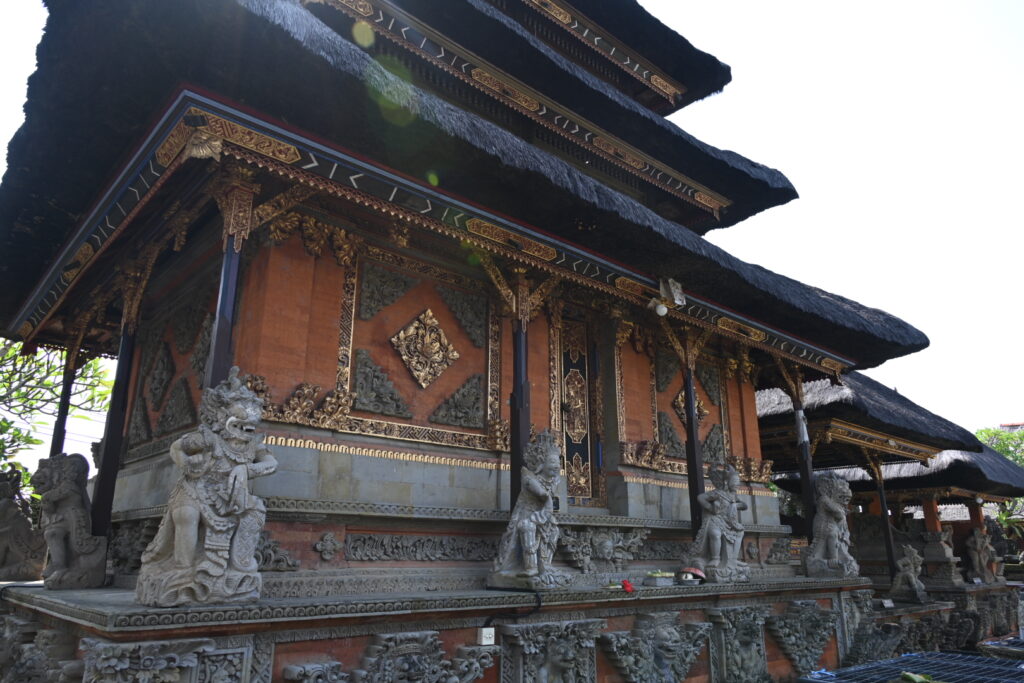
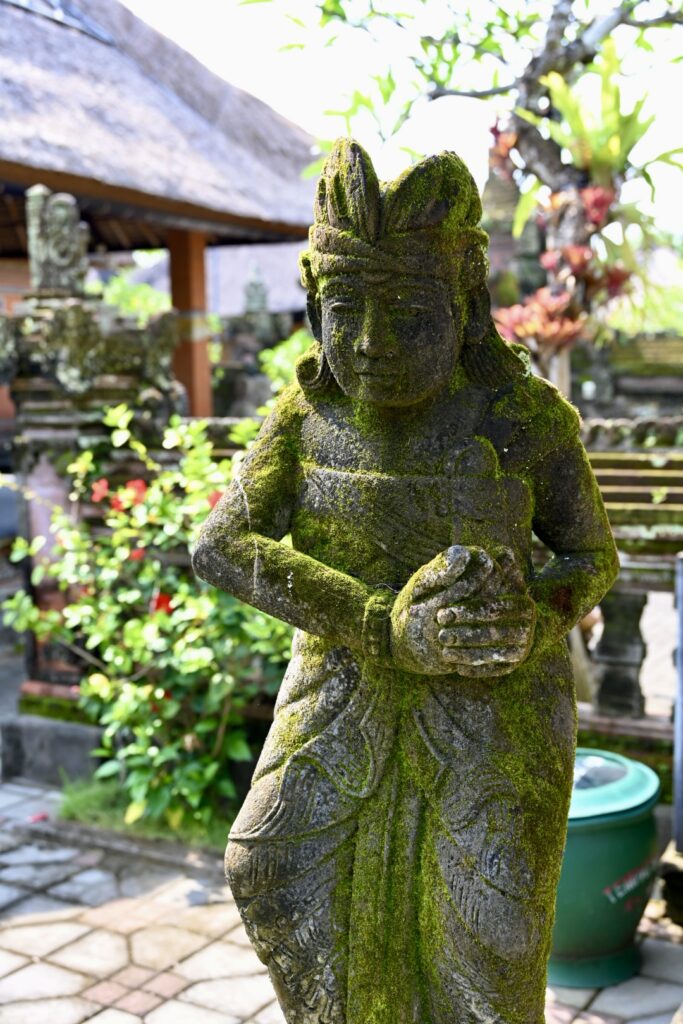
Again, this is a perfect place to simply take off the headset and bask in the intricate stonework – though in an ideal world, I’d love for Silversea to include some sort of self-guided audio tour that I could listen to as I wander through the site.
(I believe I am in the minority amongst my family, however – the others would prefer to read about it in advance, and then just wander when they get there.)
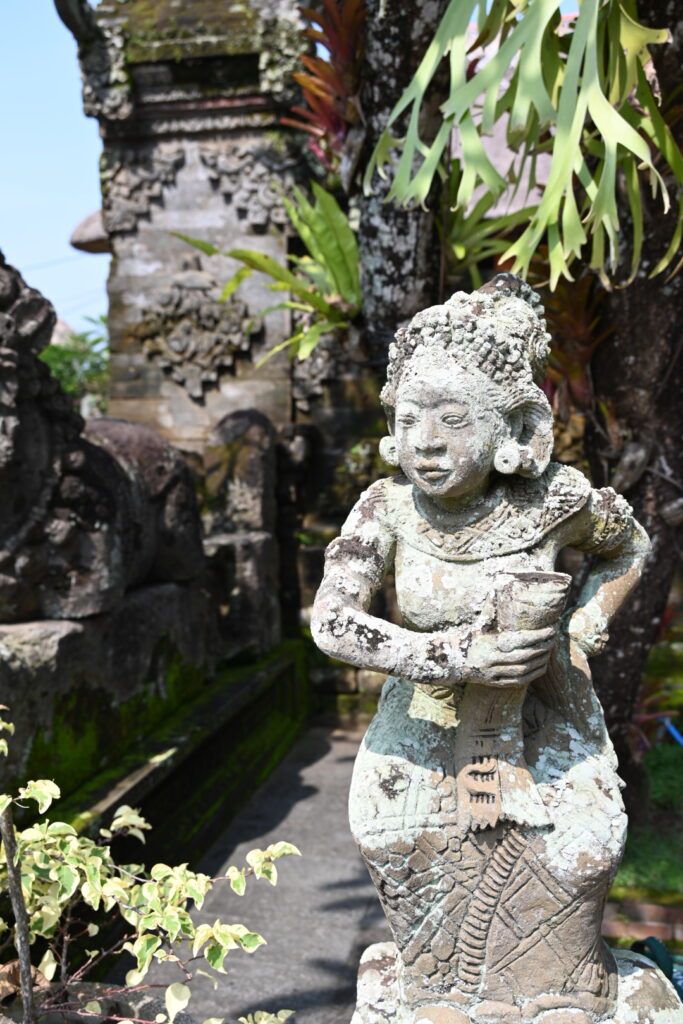
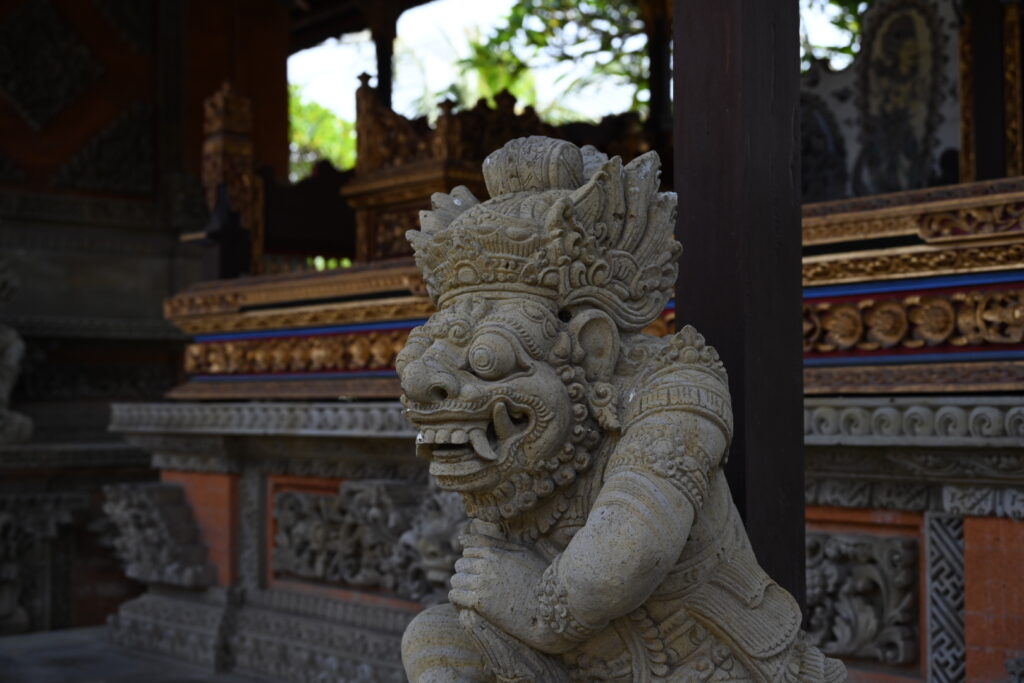
I really miss the evening briefings of an expedition cruise. I wonder if the Excursions Desk would ever put together simple briefing packages in advance of classic excursions like this one? The description for this excursion is better than most, but it still leaves much to the imagination.
Admittedly we could have looked up the sites on our own, which is what we’re doing now.
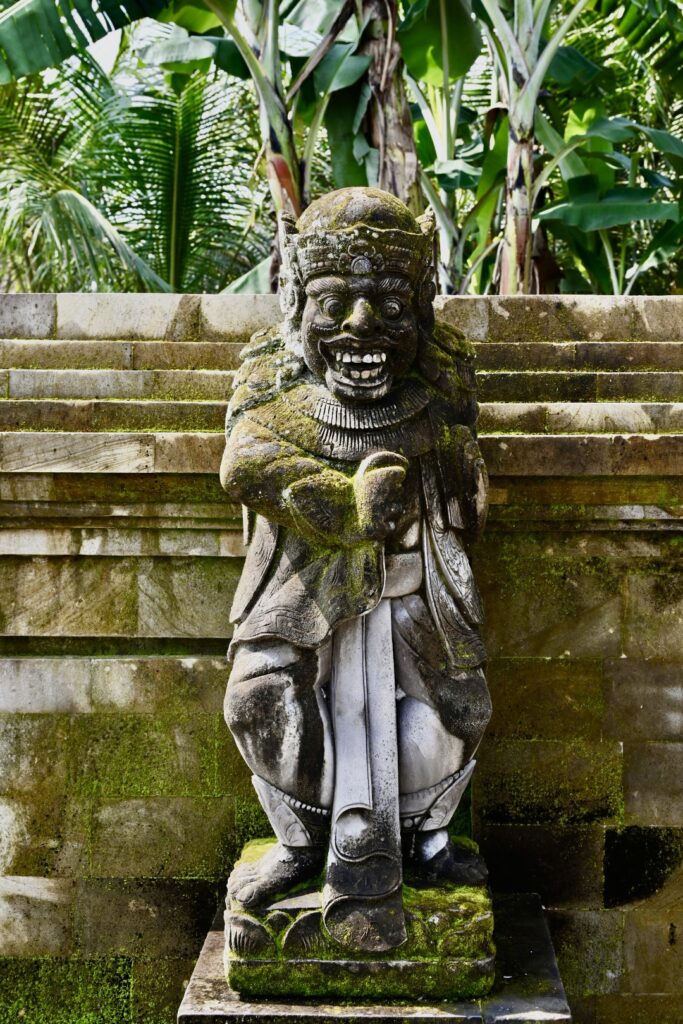
It’s eventually time to return our sarongs and pile back onto the bus. There is a halfway decent bathroom available here, including a sink, western toilet and toilet paper. This is a far sight different from when I initially visited Indonesia, when squat toilets were the normal and hygiene arrangements consisted of a bucket and ladle.
(The guides did provide hygiene kits – hand sanitizer and wet wipes – when we boarded the bus, so I’m thinking that not all facilities in Indonesia are quite as nice as what I’ve just experienced.)
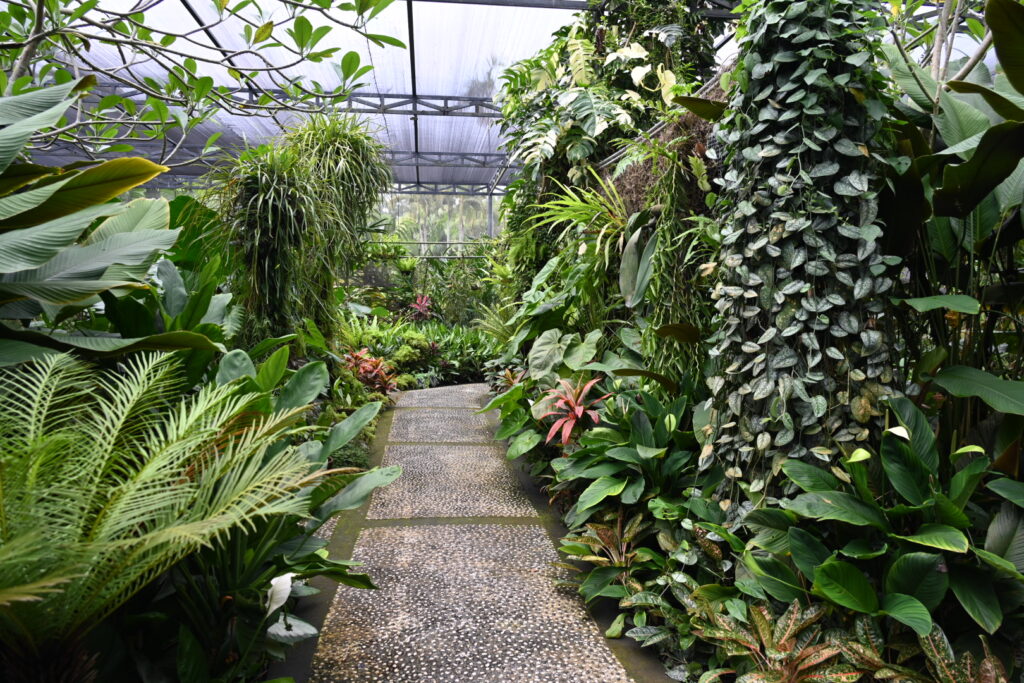
From here it’s only a brief drive to the Duta Orchid Garden:
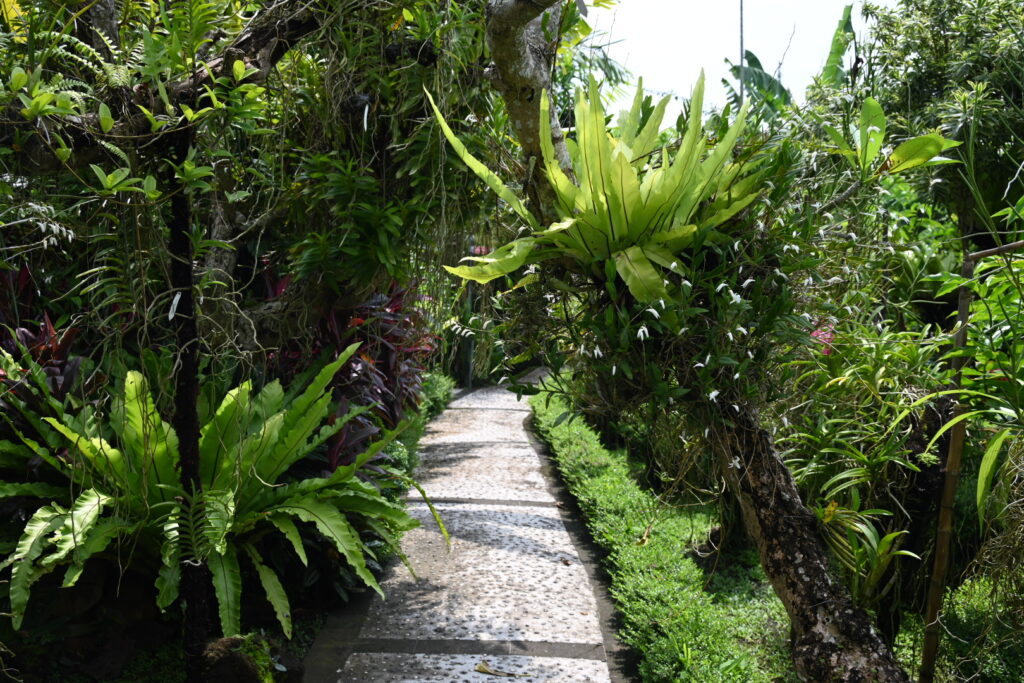
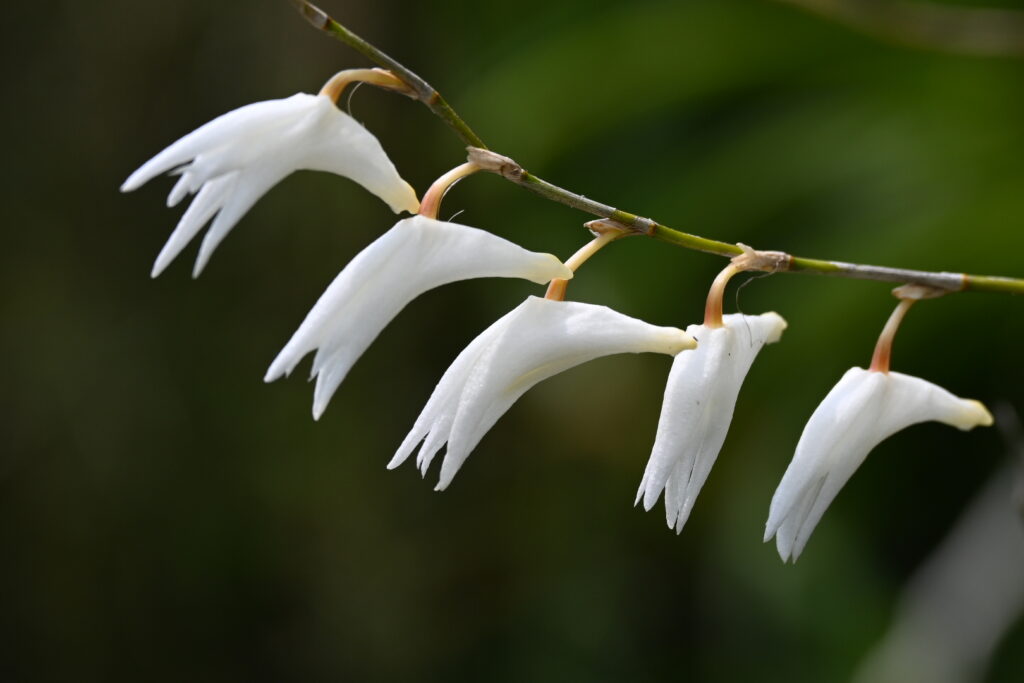
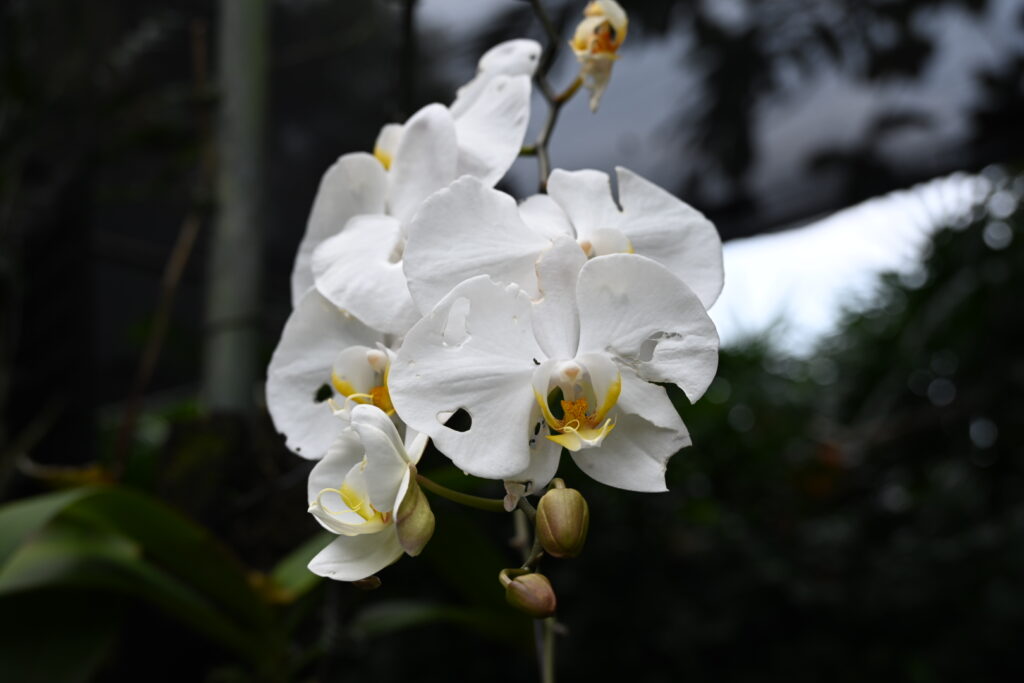
We have a full hour here – this seems excessive given our limited time at the other sites, but we’re willing to give our guide the benefit of the doubt.
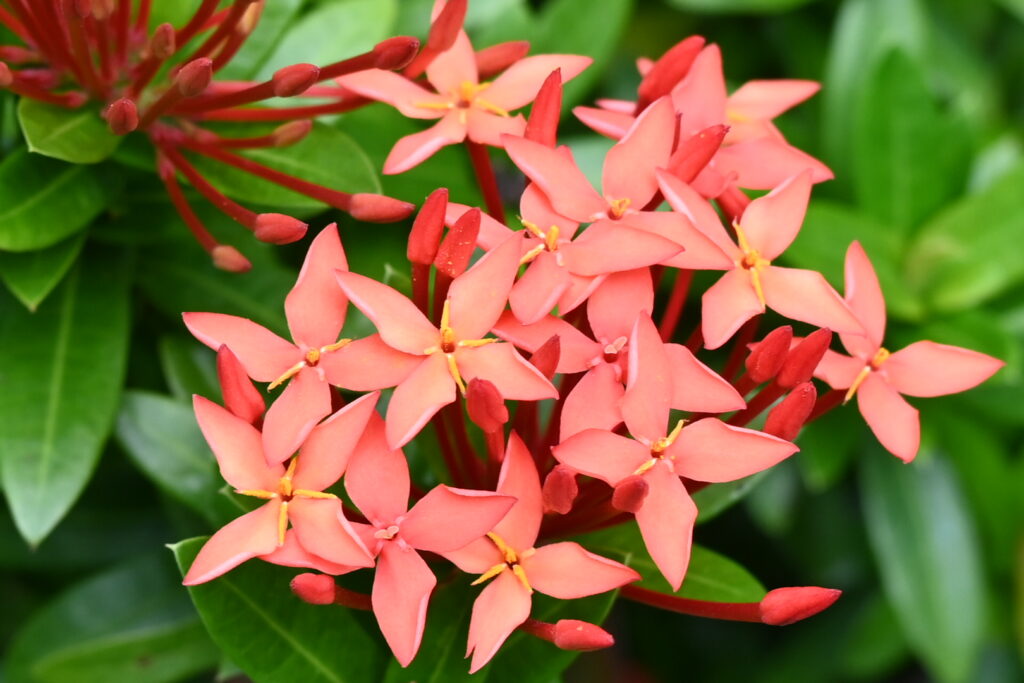
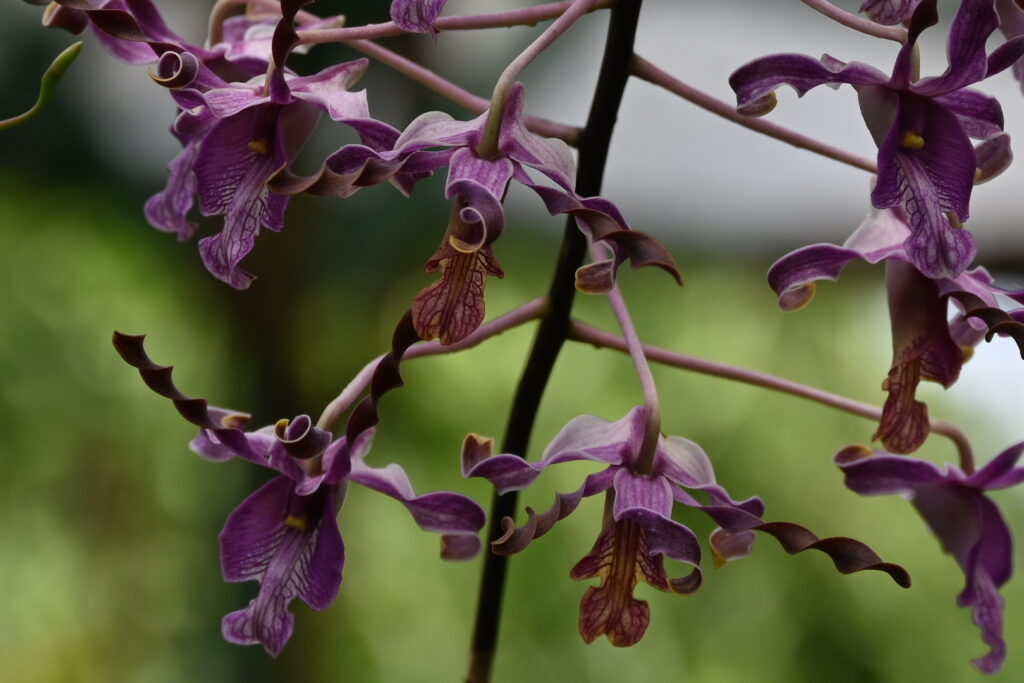
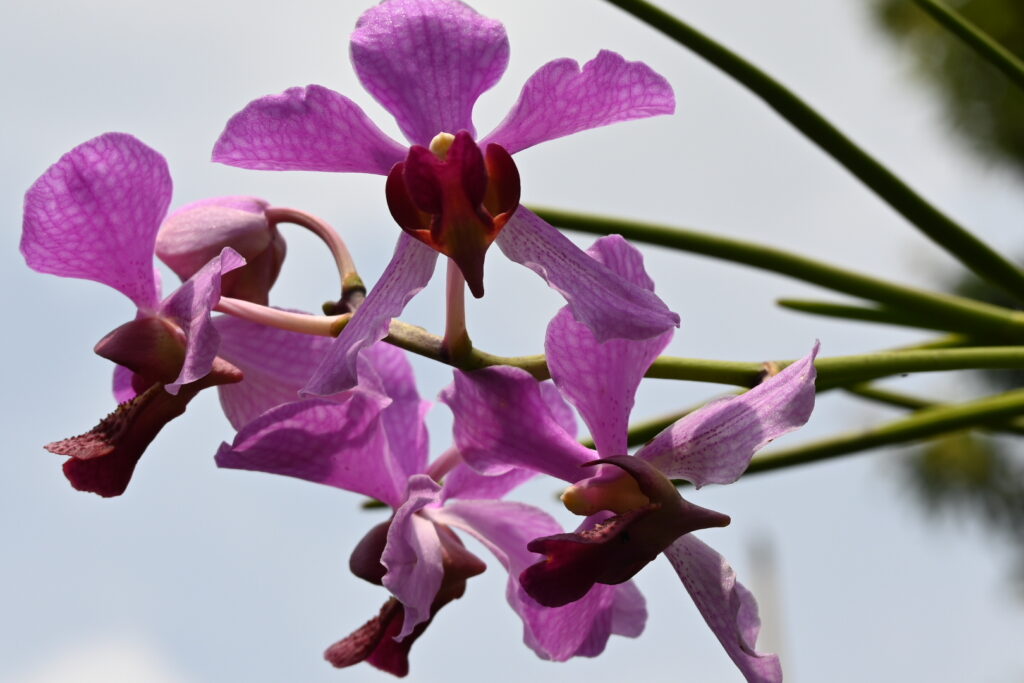
A familiar routine – we enter, we get the lay of the land, we promptly disconnect our quiet voxes and proceed to wander on our own.
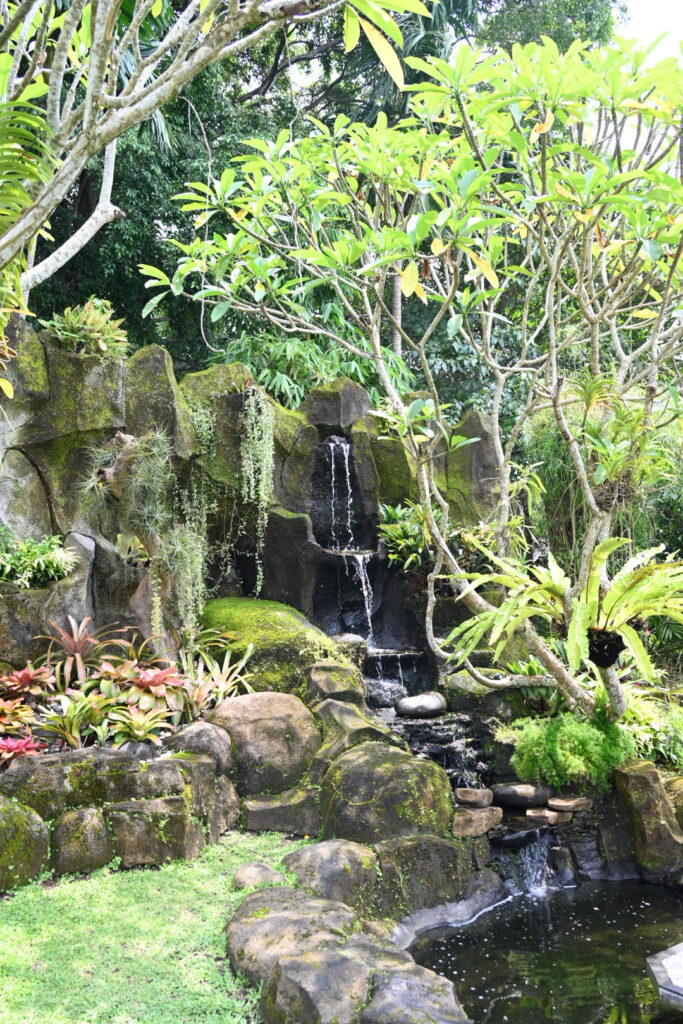
The garden’s shrine:
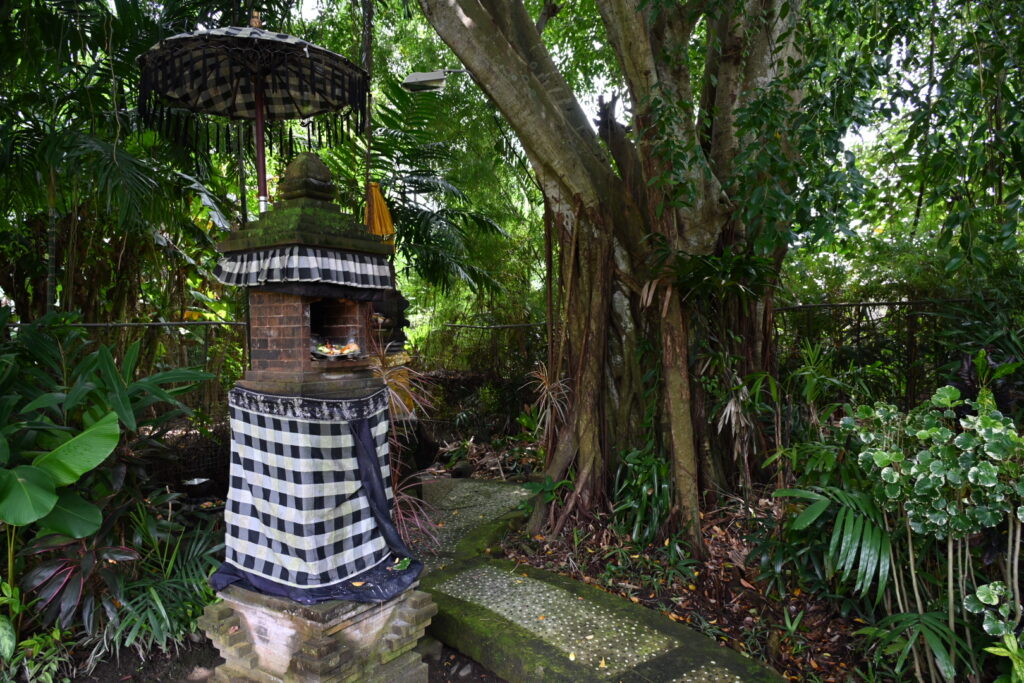
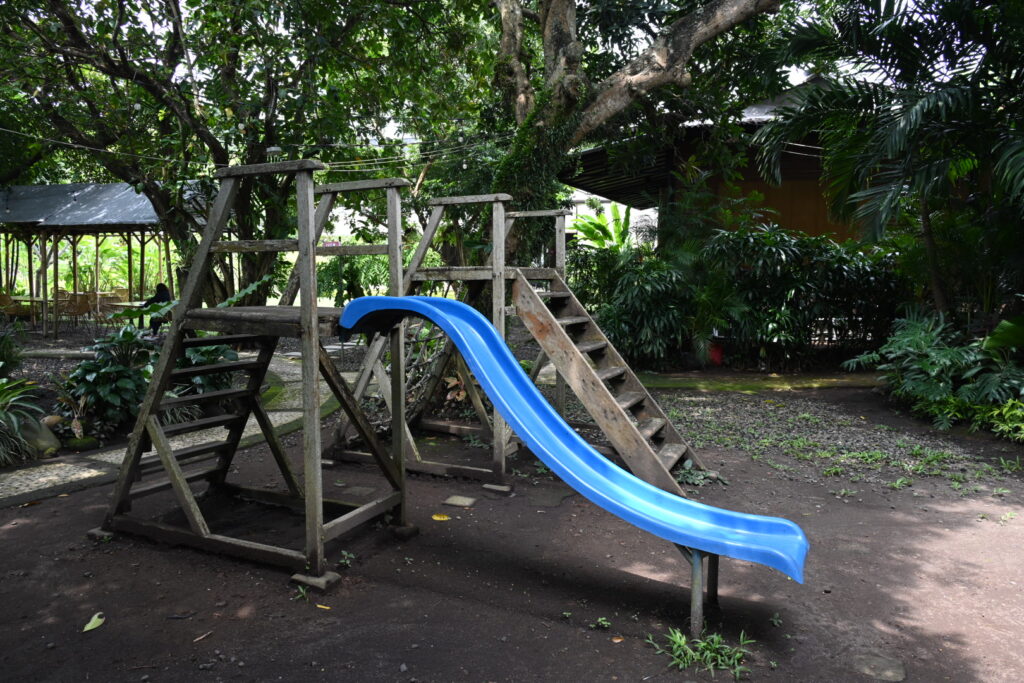
We pause briefly to enjoy a welcome drink, and to play on the playground:
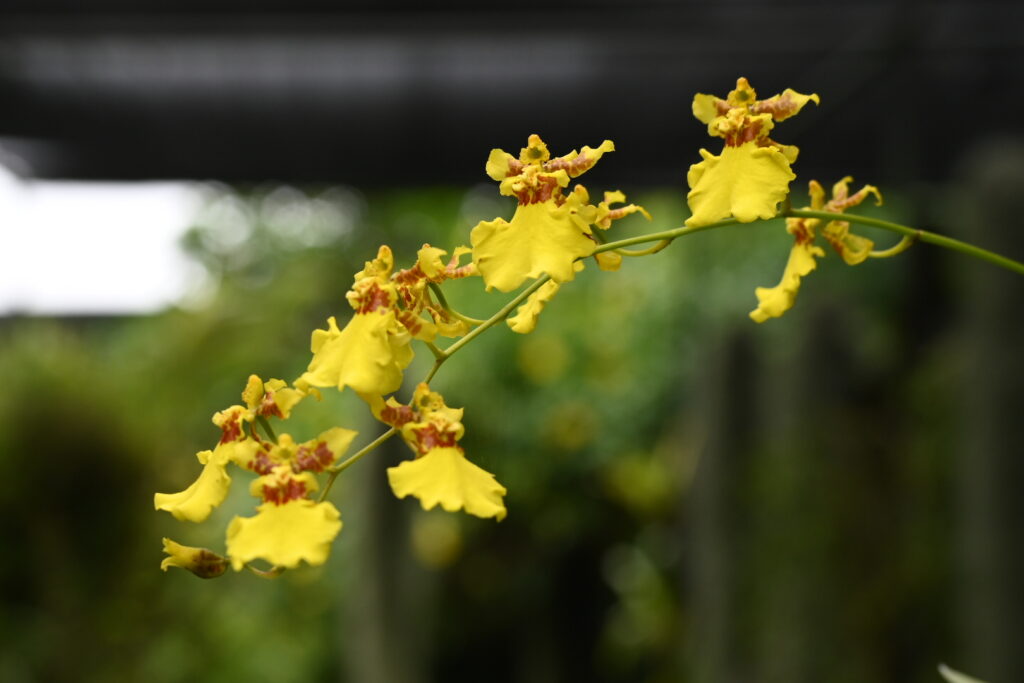
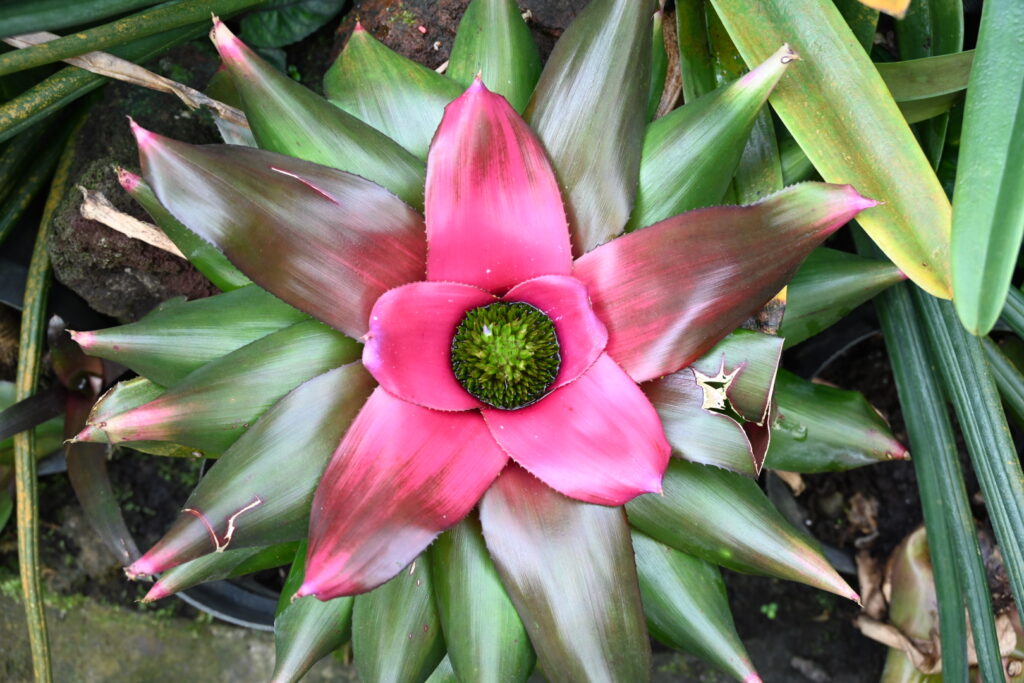
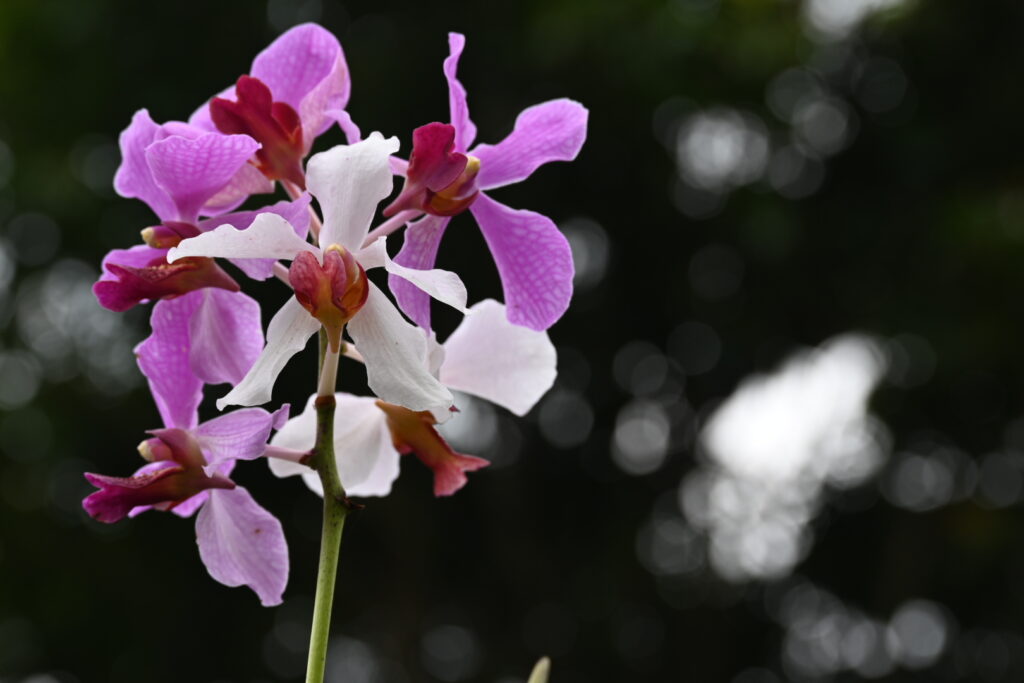
Then we continue our wander:
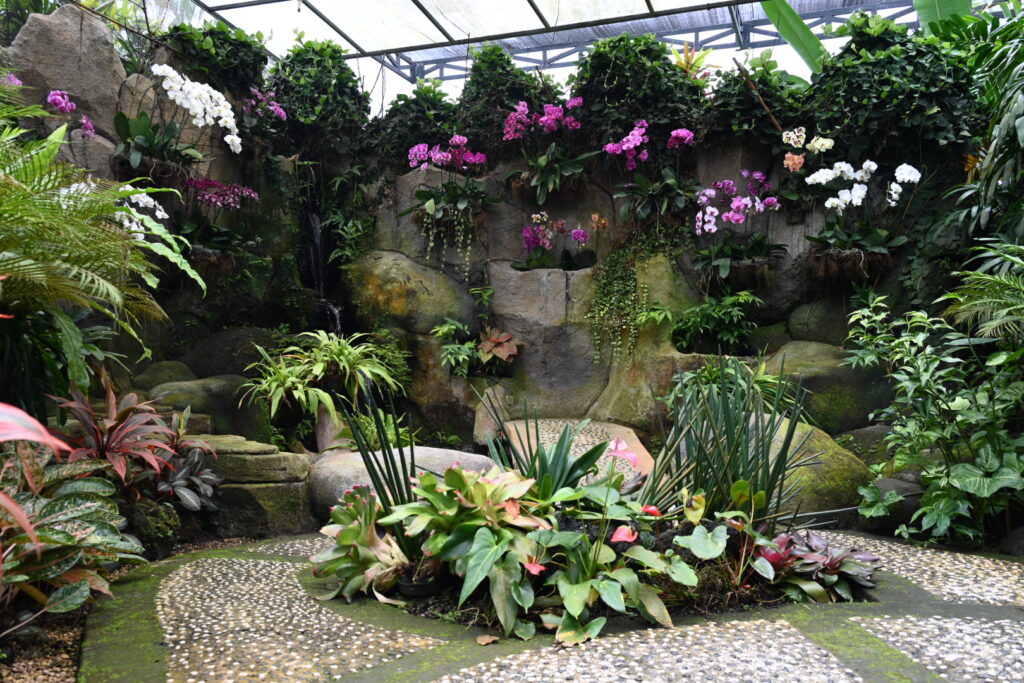
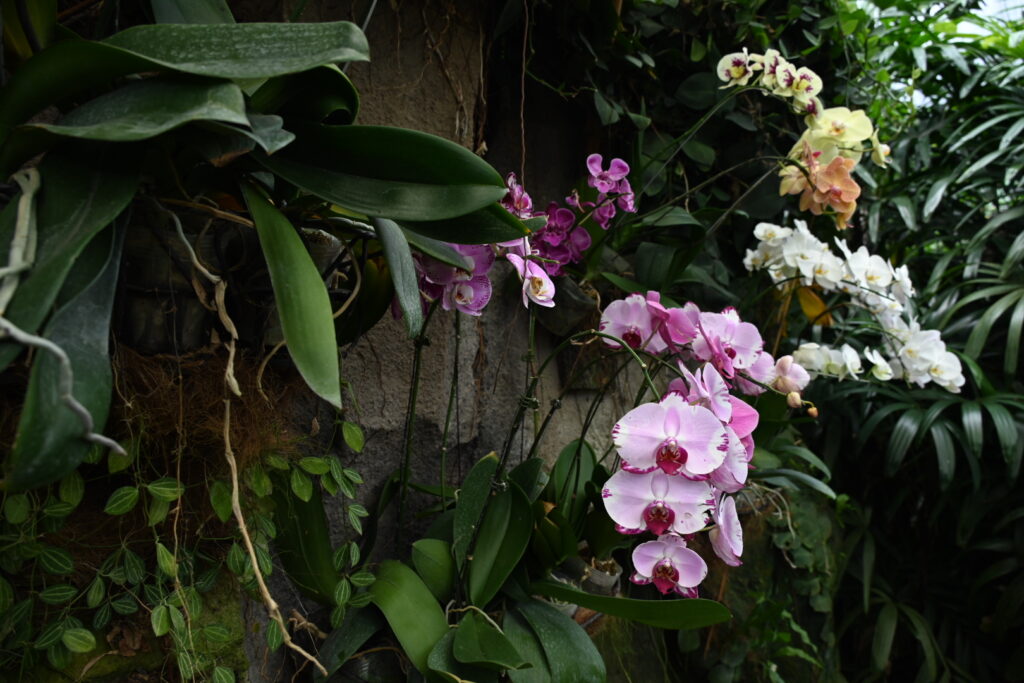
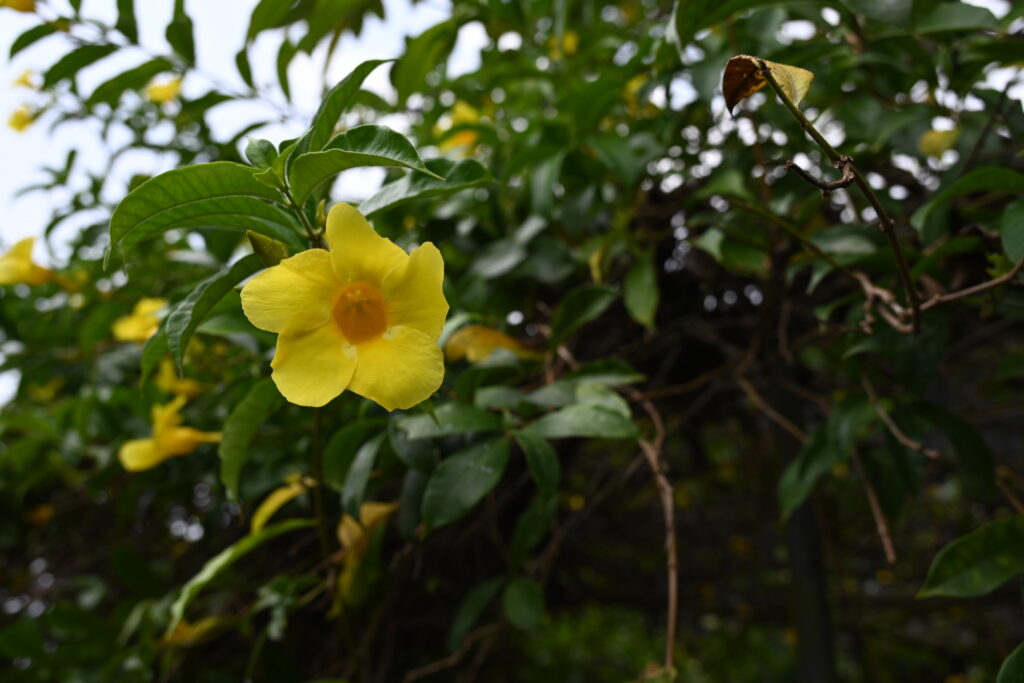
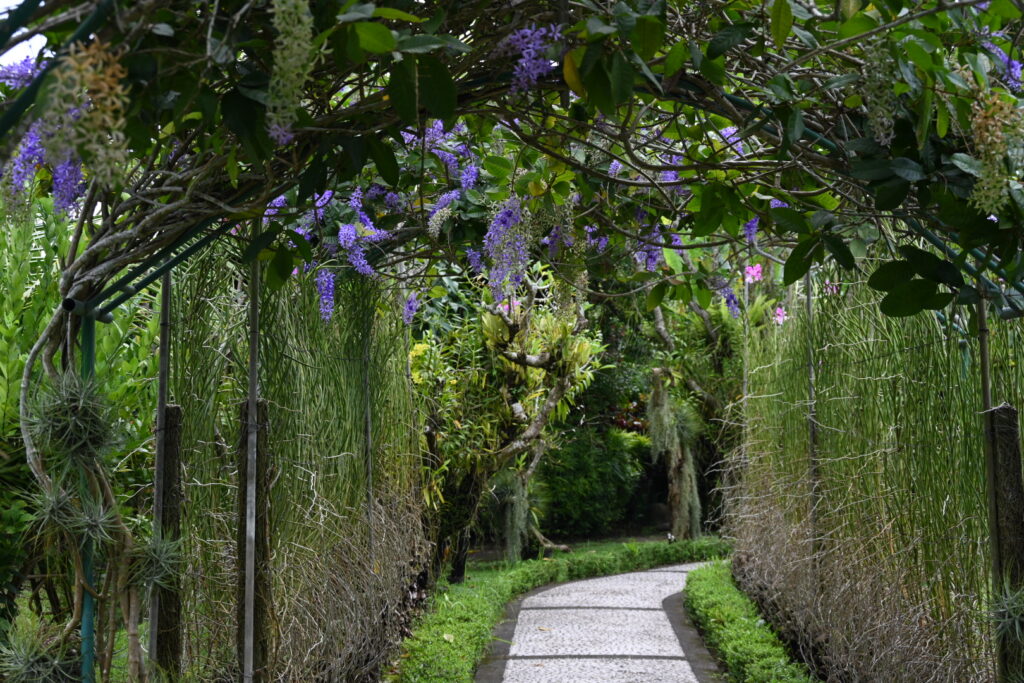
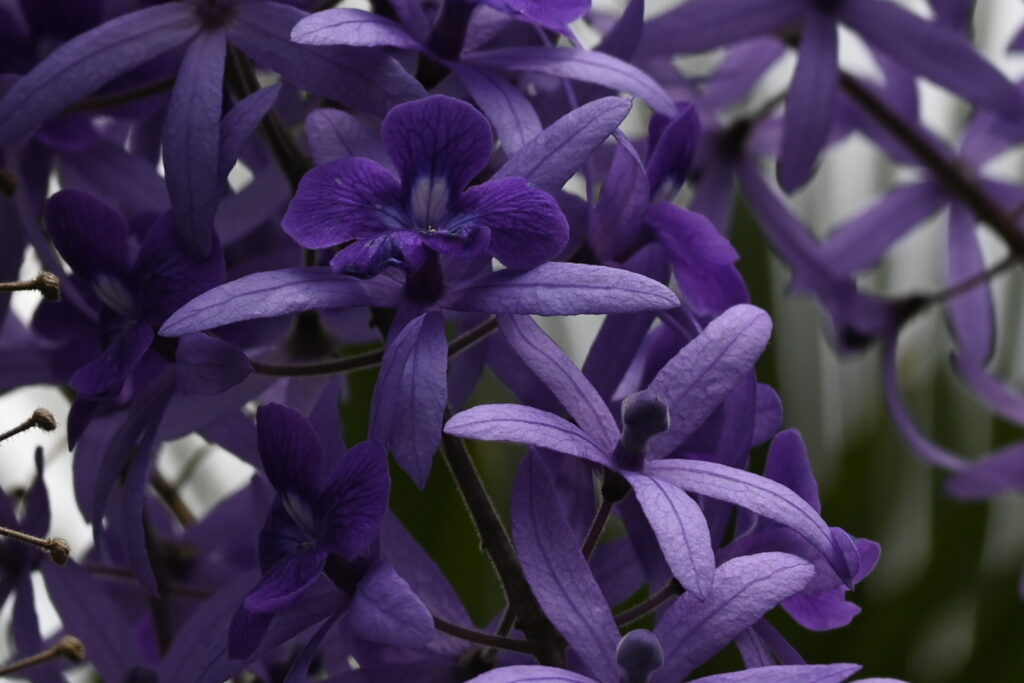
The hour initially seemed excessive, but I’m only back on the bus perhaps 5 to 10 minutes before our departure. Clearly they had us pokey photographers in mind when they were designing this itinerary.
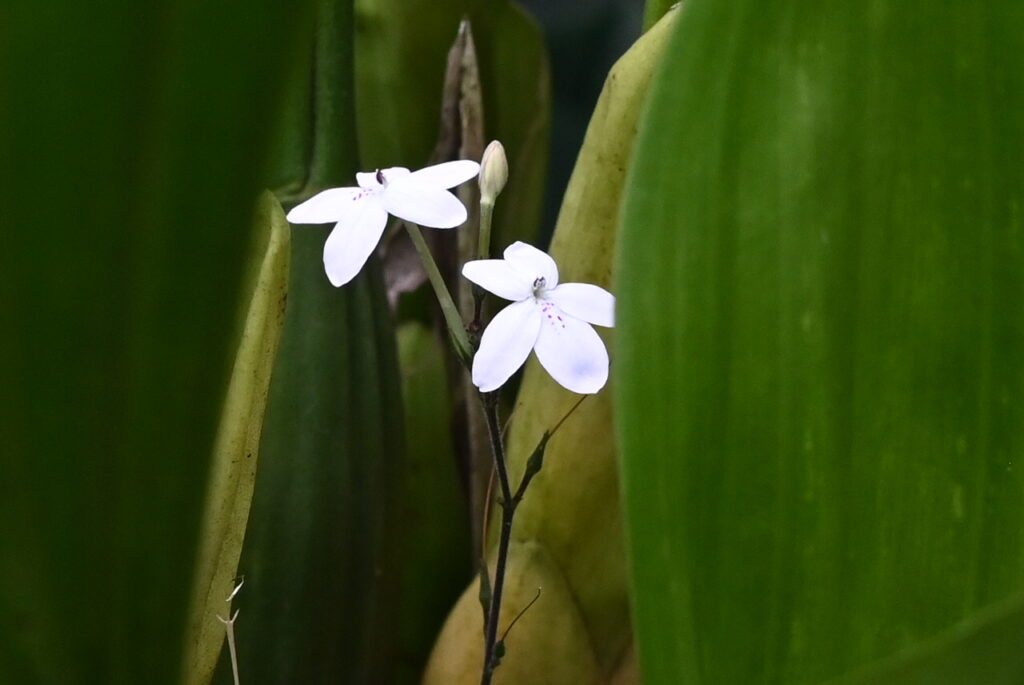
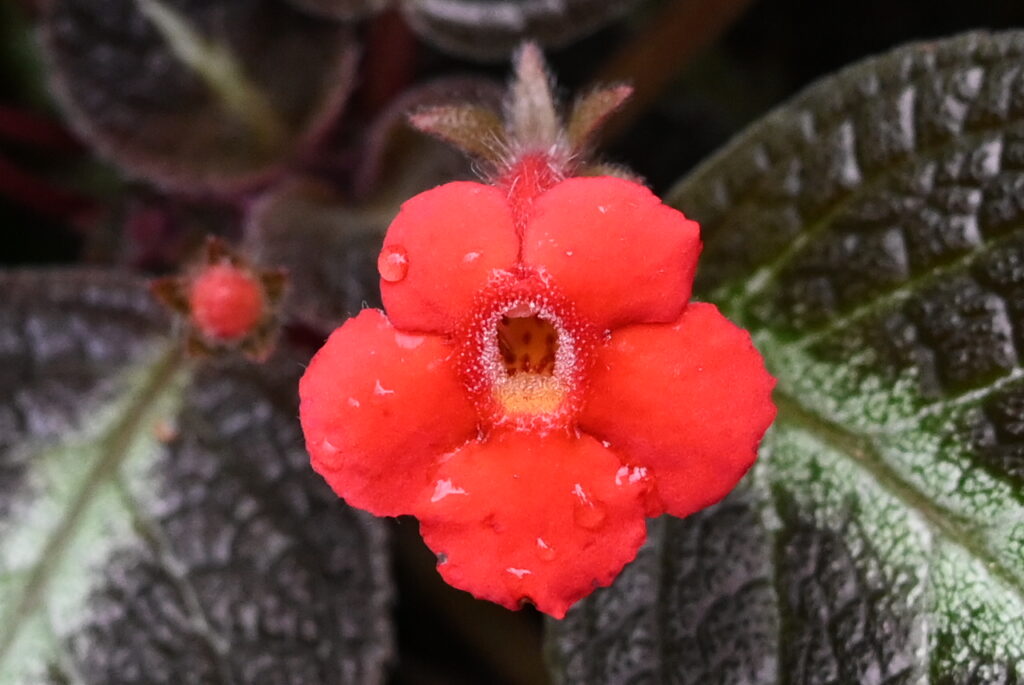
It’s then a 30 minute drive back to the Benoa cruise terminal. We seem to have really lucked out with traffic this visit – mostly because we stayed in front of the ferry traffic. Apparently that can end up blocking roads for 40 minutes or more as they unload as they get priority merging onto the main road.
Our 5 hour-long tour is closer to 4 hours and change – and we have absolutely no issues with that.
And the final verdict on the Natural and Spiritual Harmony Tour? I’d give it a solid 8 out of 10. Not too long of a drive, and we were able to visit some interesting and distinct sites without it becoming staid or monotonous. The group sizes were reasonable, the buses were air conditioned, and our guide provided interesting insights into daily Balinese life. No hard sells or suprise trips to the Batik factory, either.
The only downside was the ponderous and difficult-to-understand tours on site – and the limited pre-trip educational material – but I’d be the first to acknowledge that we didn’t really give our guide much of a chance.
Off to Spaccanapoli for lunch. I try a three cheese pizza with sausage on top.
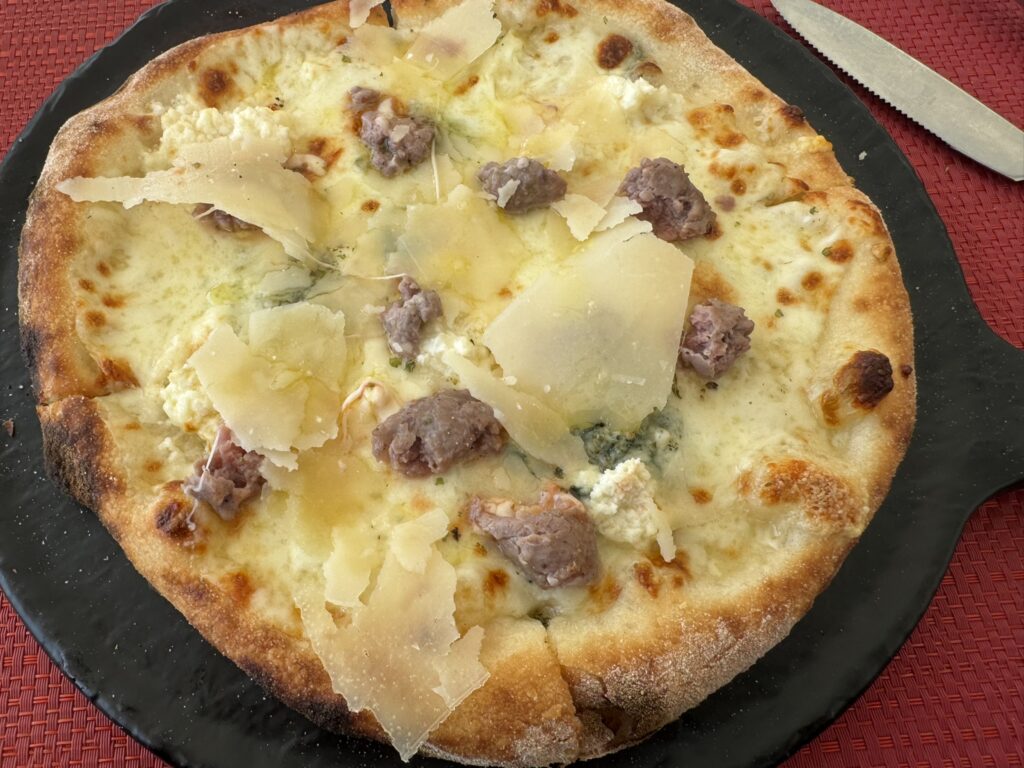
It’s something of a greasefest, but tasty
There’s a brief moment of panic as the captain announces that one of the passengers is still absent. We hear a couple of blasts on the horn, and then we appear to be underway. The last passenger was apparently shopping in the terminal, and it seems like the horn may have been the captain’s way of hurrying her along.
We ask Reception how often someone gets left behind, and apparently it is quite rare. Of Laura’s past 5 contracts, it has only happened once – after their vehicle had broken down on a private tour. The passengers had thankfully called in, so they were aware of the situation and able to help them to make arrangements to rejoin the ship in its next port.
My wife then goes to Arts Cafe to look for more chocolate covered strawberries – and they have them!
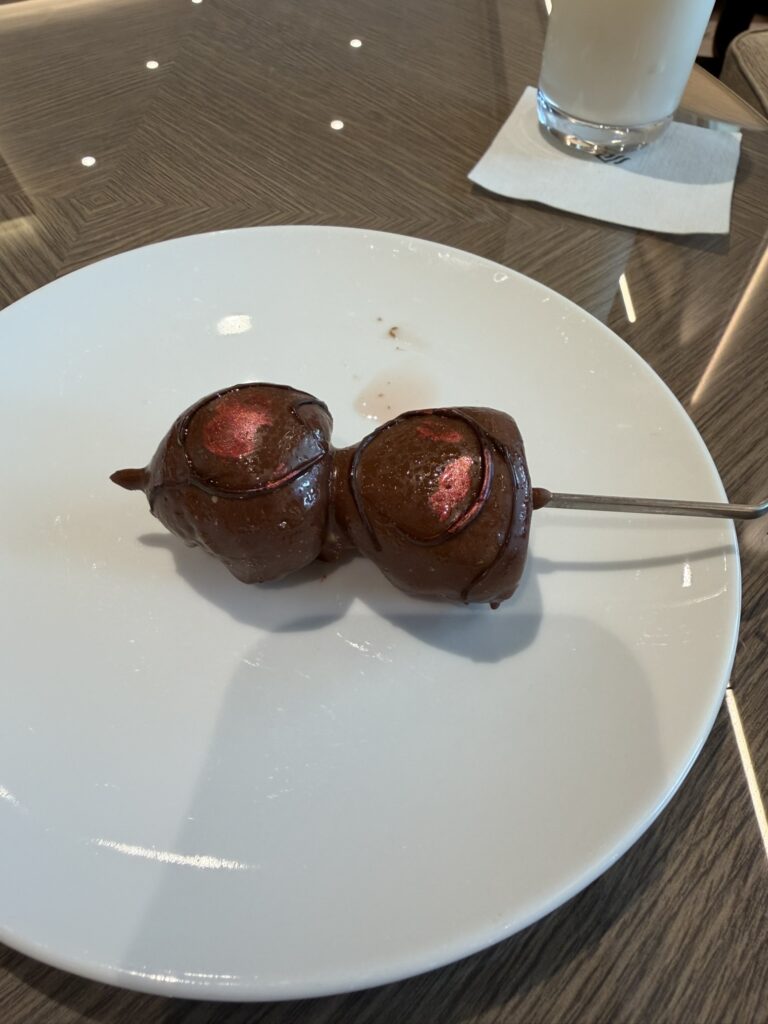
Though covered in a shiny metallic gilding for reasons unknown
We also get a few shots of sailaway:
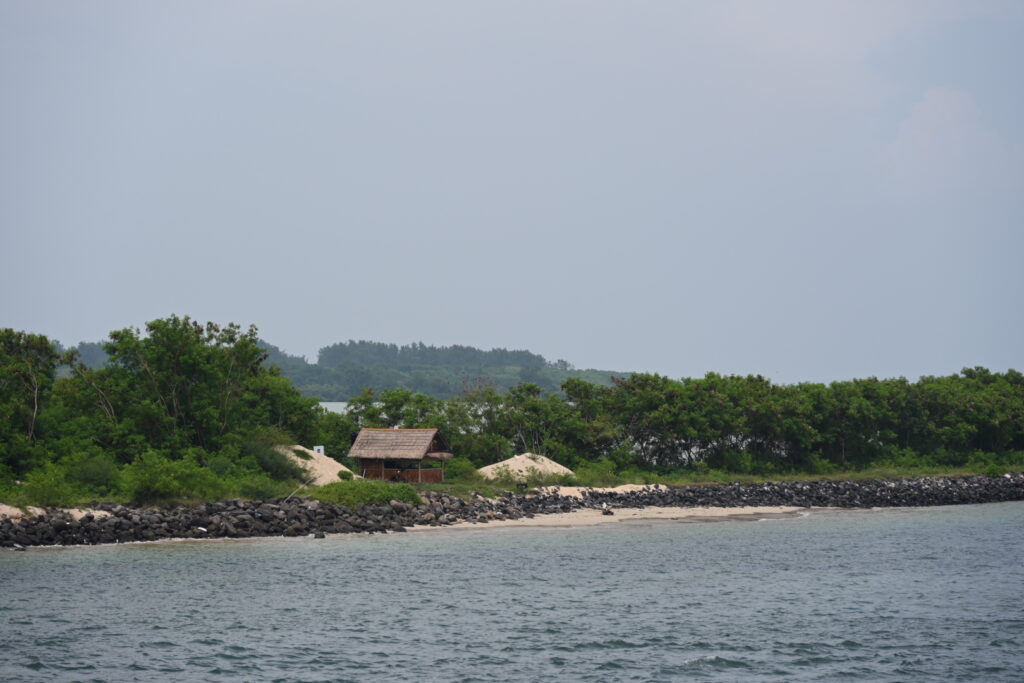
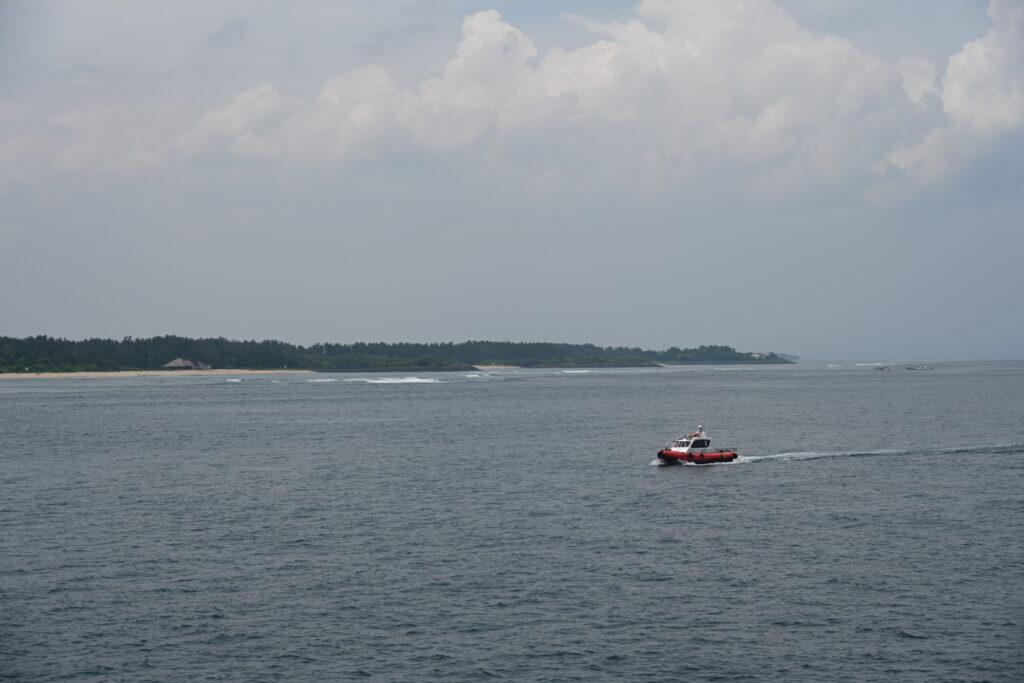
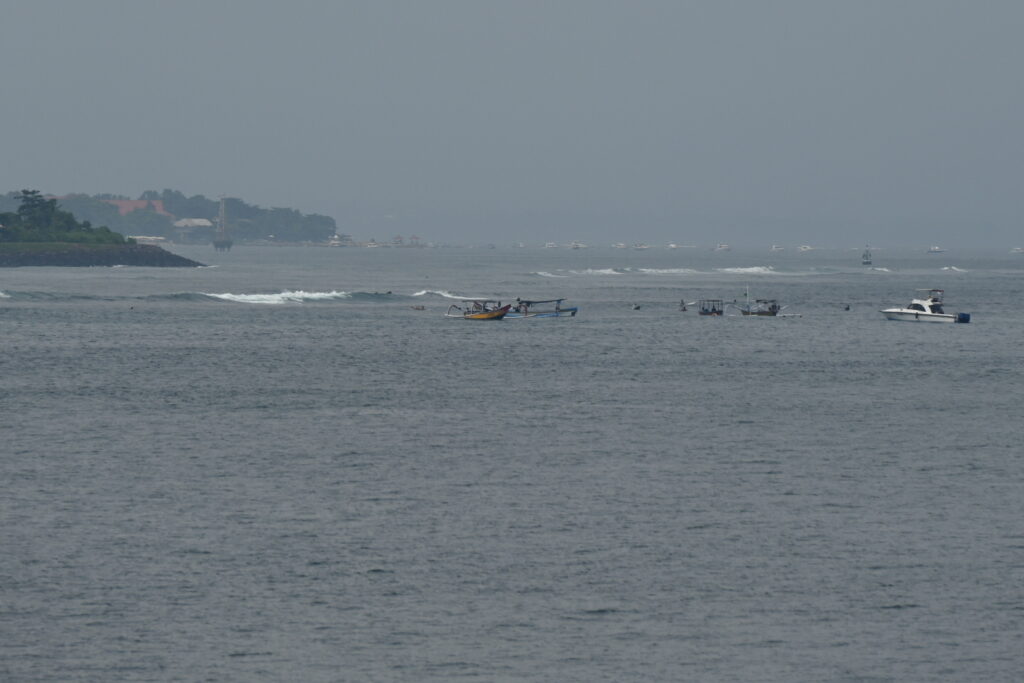
Including some of fish jumping from the water:
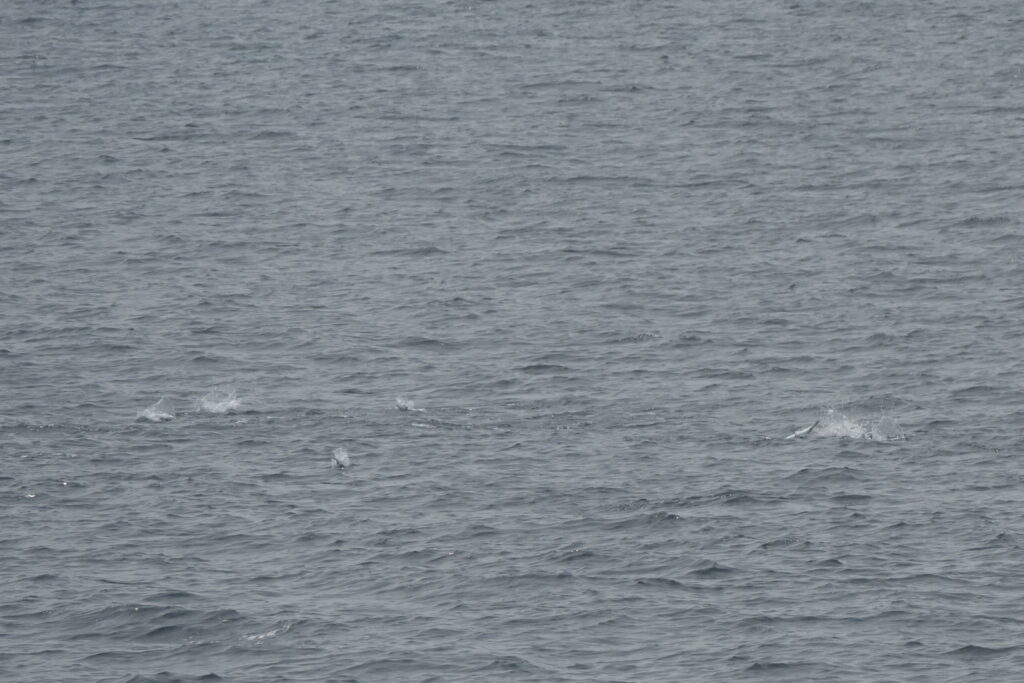
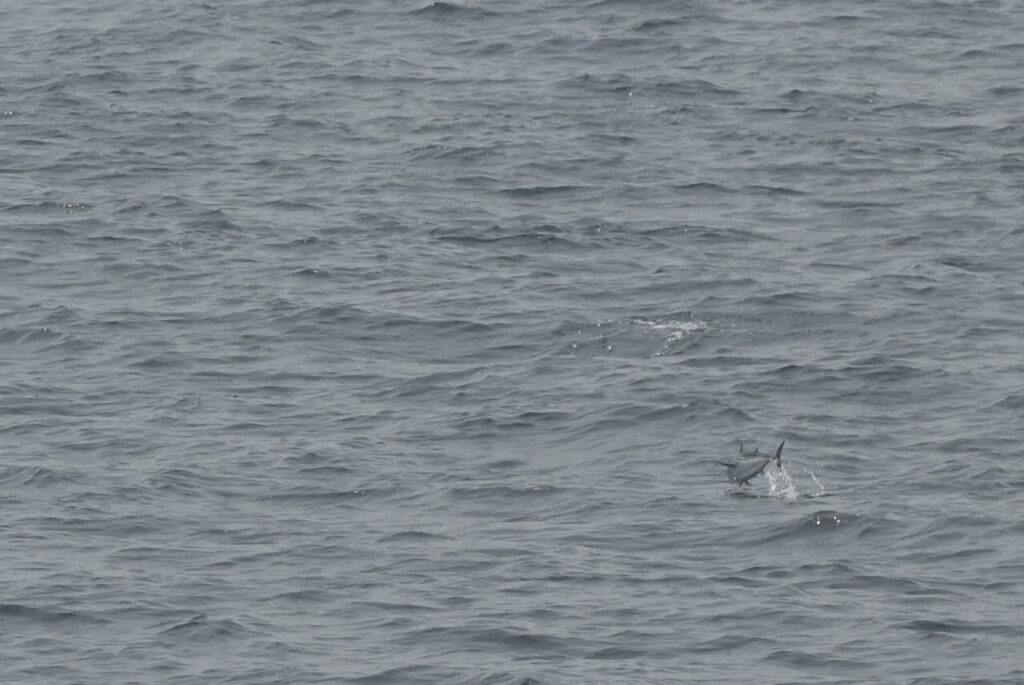
I try to get my telephoto, but it’s so cold in the room that the lens immediately fogs up when taken outside. Ah, well – we’ll keep our eyes out for other signs of wildlife as we weave our way through the Indonesian archipelago.
Meanwhile, it’s time to head down to SALT Labs to learn how to cook laksa – a spicy shrimp noodle soup that’s a regular Singaporean street food:
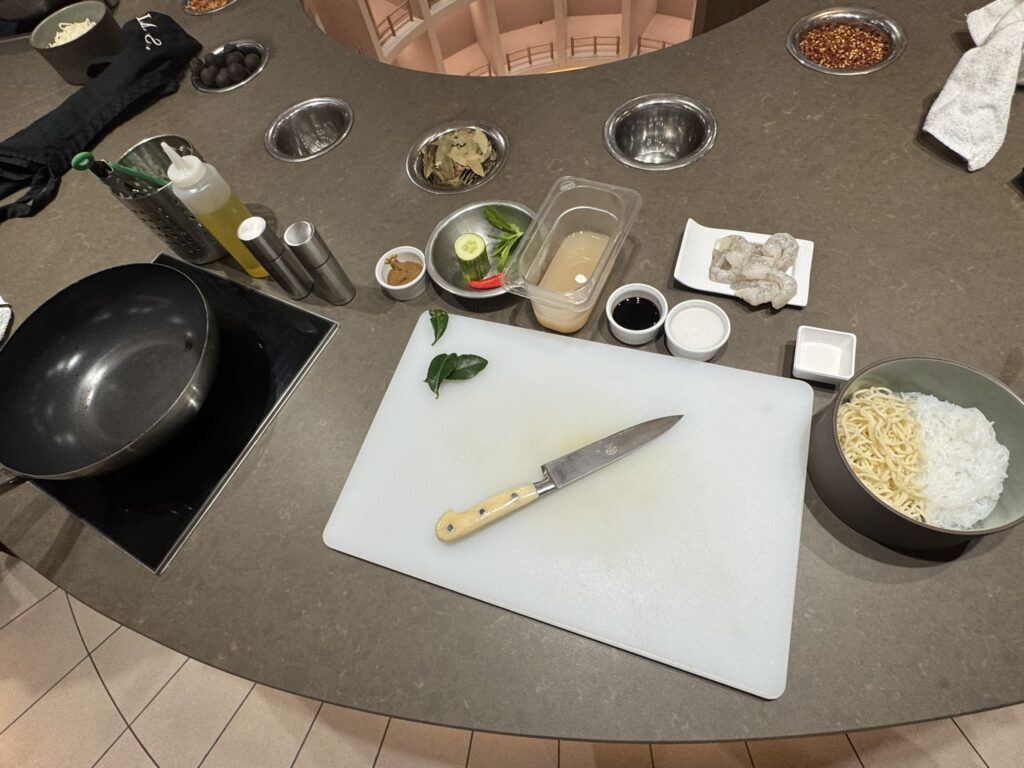
We’re a bit delayed today as Chanelle has unfortunately had to deal with condensation from the air conditioners running down into the SALT Lab. She considers cancelling, but instead gets the lab cleaned up in time to welcome passengers.
An increasing number of passengers have taken to showing up at class time to see if there are any extra slots available. I vainly try to explain that the list is finalized an hour in advance and there’s no point in asking as Chanelle will not add anyone to the class who hasn’t been pre-cleared by the doctor. It’s not until Chanelle repeats this that reality sinks in.
This is one of the drawbacks of joining a split voyage like this one – those guests getting on in Fremantle would have had very low odds of getting on any of the SALT Labs classes, as most of the slots would have been booked that first day in Melbourne.
I’m not sure as to the solution, however. Perhaps limiting the number of classes any one person can take? I’m not sure it’s entirely fair that we have been able to do every cooking class thus far. (But so long as unlimited clases are offered, we’re going to sign up for them as they’ve been exceptional.)
Anyway – it’s laksa time. The end result:
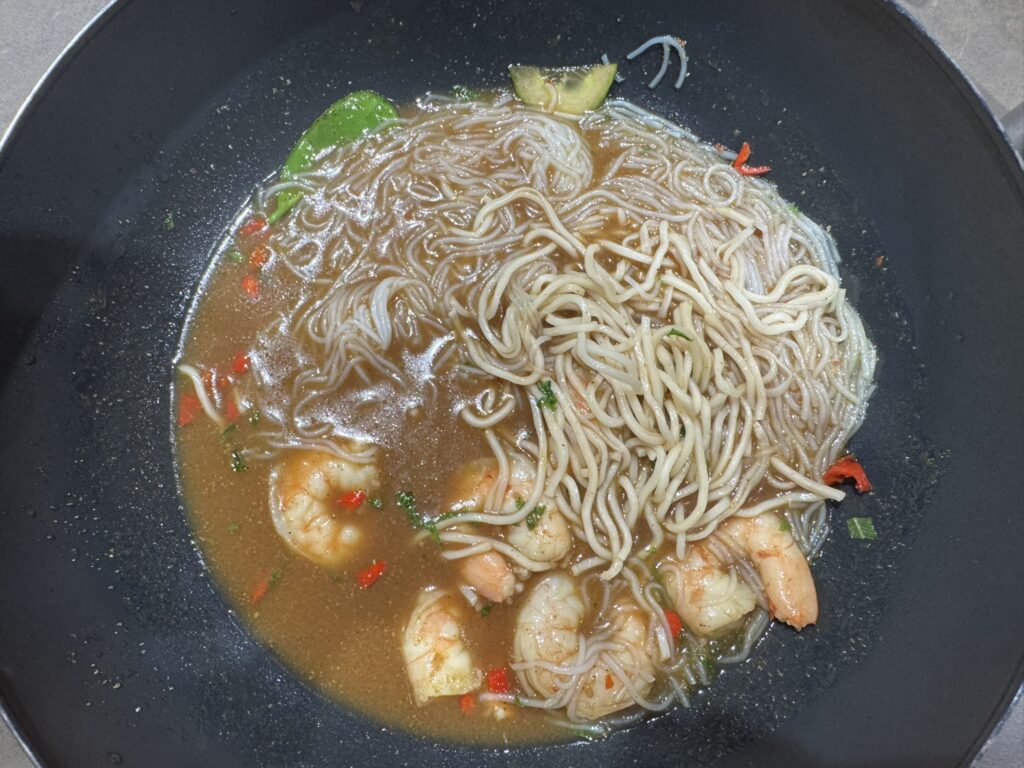
Absolutely delicious. It’s my first time trying this dish, but I fully intend to put it into our rotation for cooking at home.
The recipe, for those curious:
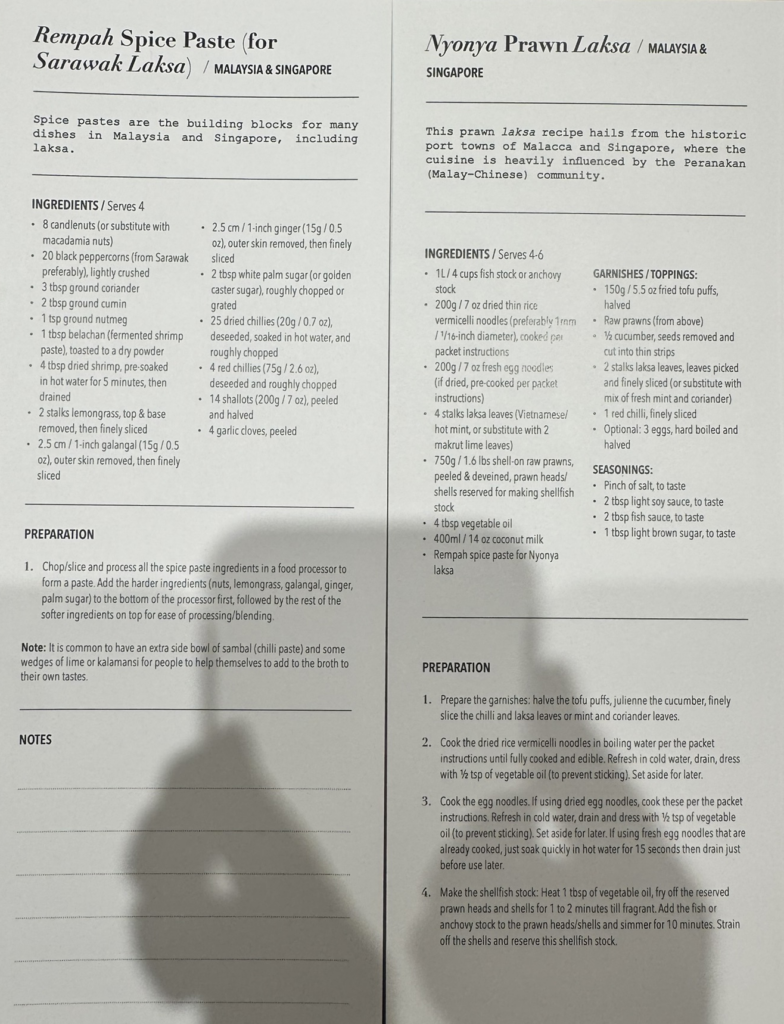
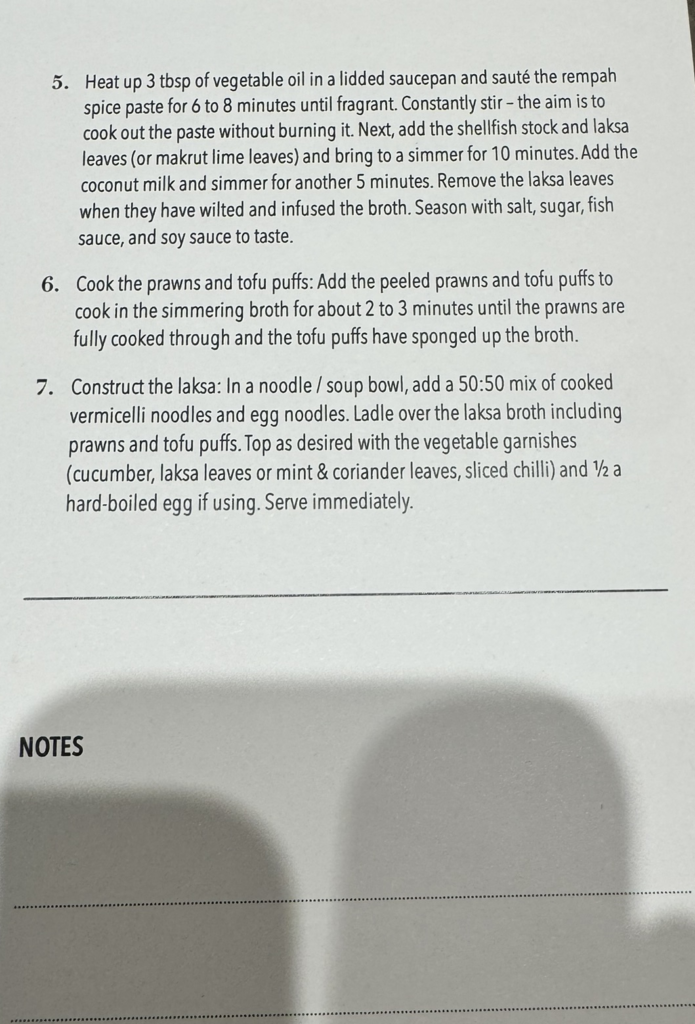
The kids go off for bingo, and I meet up with Cruise Directory Zaid in the Observation Library to talk about photography. He’s taken some amazing shots with his phone and also captured some remarkable drone footage. I encourage him to his Nikon on his next voyage – in my experience, photographers are more than happy to share tips and tricks.
I somehow spot a brown booby in flight during our lesson:
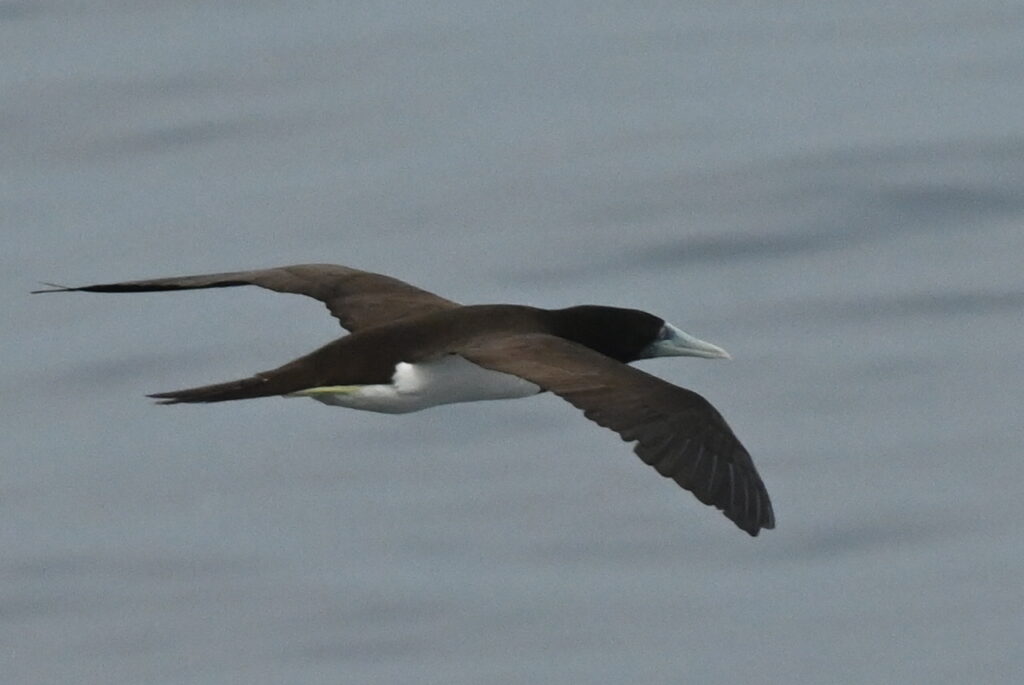
Not bad for an impromptu photo through the glass of the Observation library!
We head down in time for trivia. This is a tough one today – we correctly identify the god of earthquakes and horses (Poseidon) and the decade in which the television was invented (1920s) but learn that the third ingredient of a Moscow mule is lime (in addition to vodka and ginger beer) and that birds have two stomachs rather than two livers. Our measely 19 / 24 score is nevertheless sufficient for second place.
Off for dinner at Atlantide tonight. We’re meeting up with friends, so we don’t take any pictures. I will say that I’ve learned that assiette of duck is not my dish. The seared gnochi is fabulous, however, and further improved by extra shrimp on top.
Back to the room – just in time to blast through a flash storm:
The internet briefly cuts out, but we suffer no lingering ill effects.
Time for bed – a leisurely morning as we enjoy our last stretch of double sea days for a while. If the pace was brisk before, it’s about to become downright frantic.
Continue reading Tasmania to Tokyo – At Sea – Day 36.